Traveling in Mandela's Footsteps: The Essential Stops
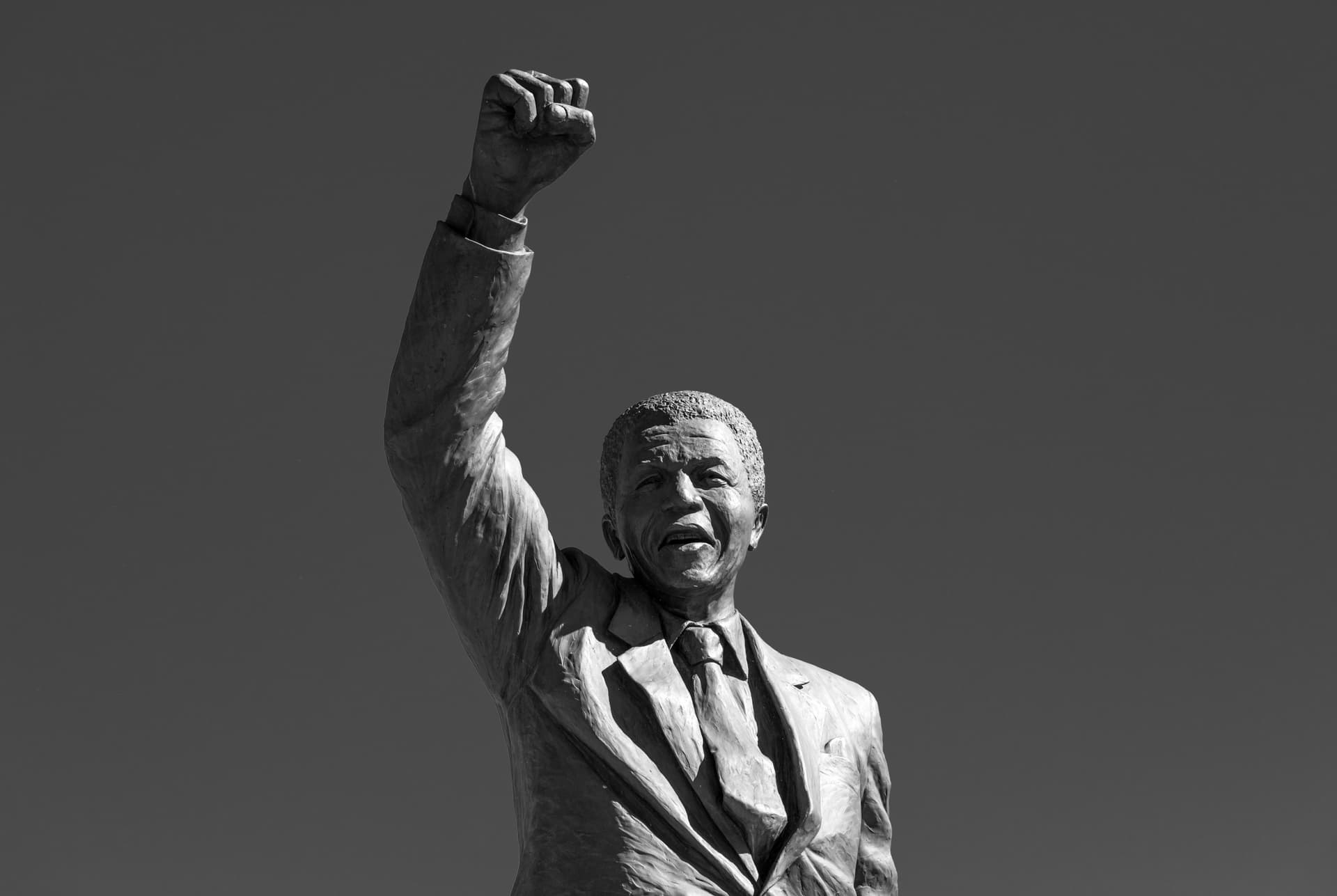
South Africa's history is deeply intertwined with that of Nelson Mandela. This passionate resistor to racial segregation paid a heavy price for his struggle, having been imprisoned for 27 years after being tried for terrorism.
South Africa's history is deeply intertwined with that of Nelson Mandela. This passionate resistor to racial segregation paid a heavy price for his struggle, having been tried for terrorism and imprisoned for 27 years. Despite this tremendous sacrifice, Madiba continued his fight and the renowned anti-apartheid activist was elected President of South Africa in 1994! Curious to learn more about this incredible journey? Follow us on a trip in Mandela's footsteps…
Stop 1: The City of Cape Town
Cape Town is a port city located on the southwestern coast of South Africa. Renowned for its charming colorful houses in Bo-Kaap, the city is also known for its deep connection to the former President of South Africa. On February 11, 1990, just hours after his release from prison, Nelson Mandela delivered his historic speech here.
From the steps of City Hall, he emphasized the importance of equal political rights and the strength of his democratic struggle. During your stay in Cape Town, take time to discover:
Grand Central: imagine the emotion felt by the 70,000 people gathered to celebrate Madiba's release. This beautiful square was also the site of the largest anti-apartheid gathering (September 14, 1989) – and where Nelson Mandela delivered his speech on May 9, 1994, following his election to the presidency!
Parliament: as President, Nelson Mandela spent considerable time here between 1994 and 1999. During your visit, you'll discover the floor where he delivered many speeches.
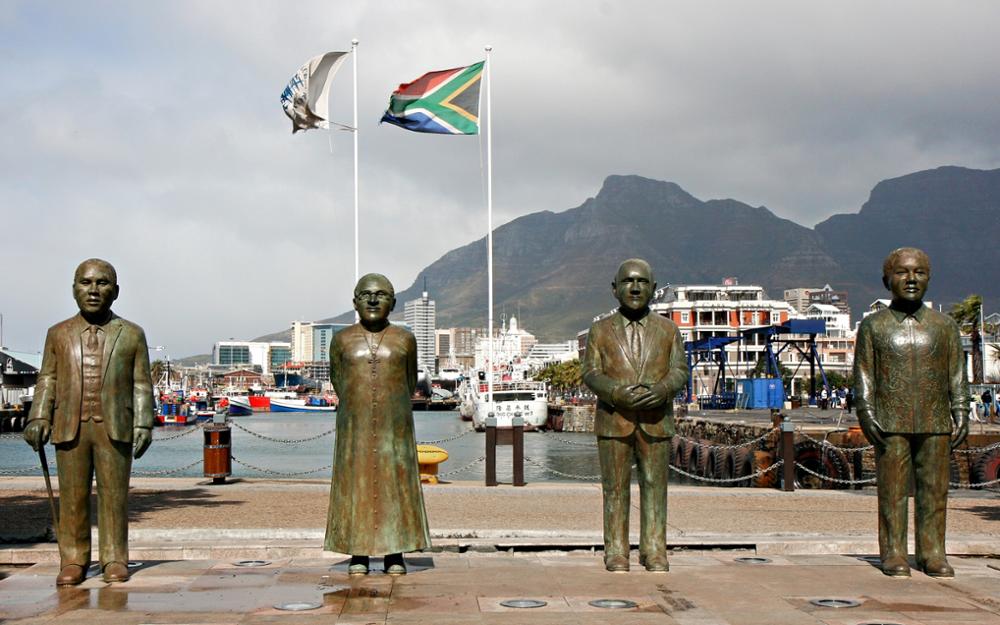
Nobel Square: approximately 5 km from City Hall, in the Victoria & Alfred Waterfront district, discover this public square dedicated to the country's four Nobel Peace Prize laureates – represented by stunning bronze statues. A fifth statue, named Peace and Democracy, represents the role of women and children in the anti-apartheid movement.
Stop 2: The District Six Museum
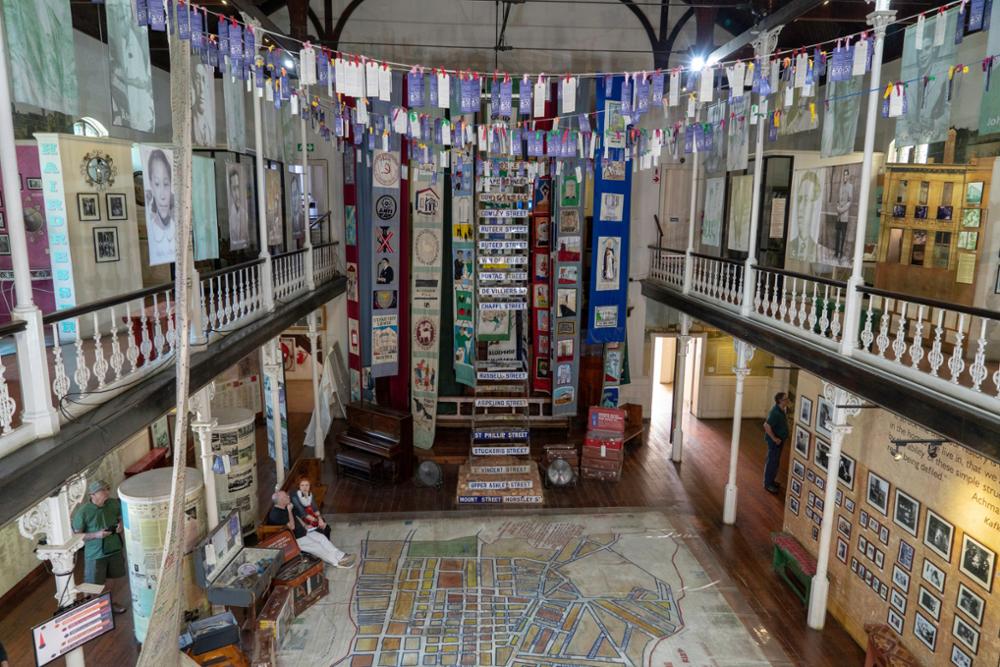
The District Six Museum is an important stop when traveling in Nelson Mandela's footsteps. Through this museum, you'll learn all about the expulsion of 60,000 residents from the neighborhood, who were displaced from their homes under apartheid – and understand, moreover, Madiba's absolute devotion to his fight for equality.
The museum is housed within the district's Methodist church and in the historic Sacks Futeran building at 15A Buitenkant Street. The establishment is run by former residents who recount and transmit the history of their district to the public. It's a humble yet meaningful place of remembrance.
Stop 3: Robben Island – The Essential Stop in Mandela's Footsteps
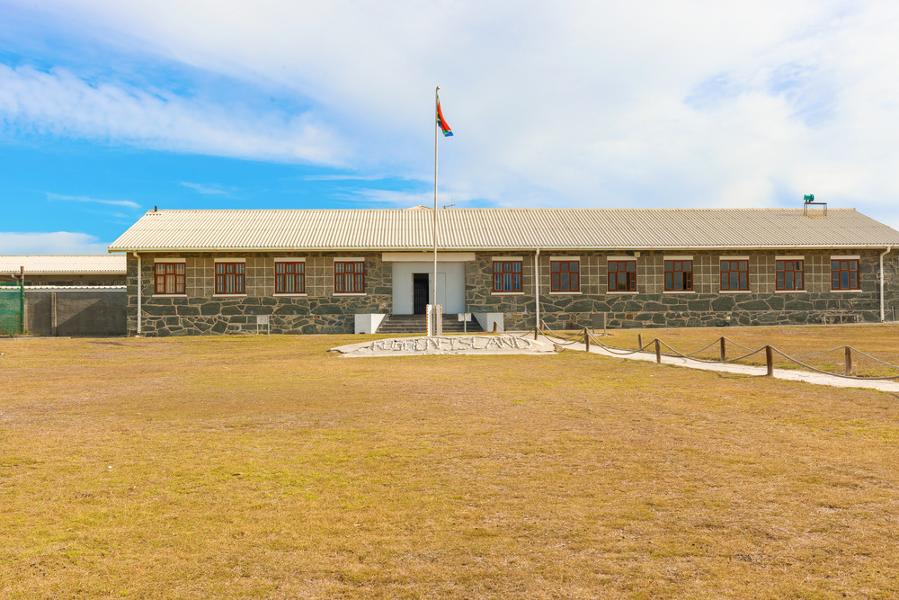
Located in the waters off Cape Town, Robben Island is one of South Africa's most visited historical sites. And for good reason – it was here, at the heart of this island now designated a UNESCO World Heritage site, that Nelson Mandela was imprisoned for eighteen years!
Robben Island prison was notorious for its particularly harsh detention conditions. Indeed, difficulties stemming from the island's natural elements compounded the hardships of prison life. Nelson Mandela was imprisoned here until 1964, before being transferred to Pollsmoor Prison in 1982 and then to Victor Verster Prison in 1986. During your visit, you can see the tiny cell where he was held.
Stop 4: The City of Johannesburg
Johannesburg is an essential stop in the former President's journey, as the city witnessed the major moments of his life:
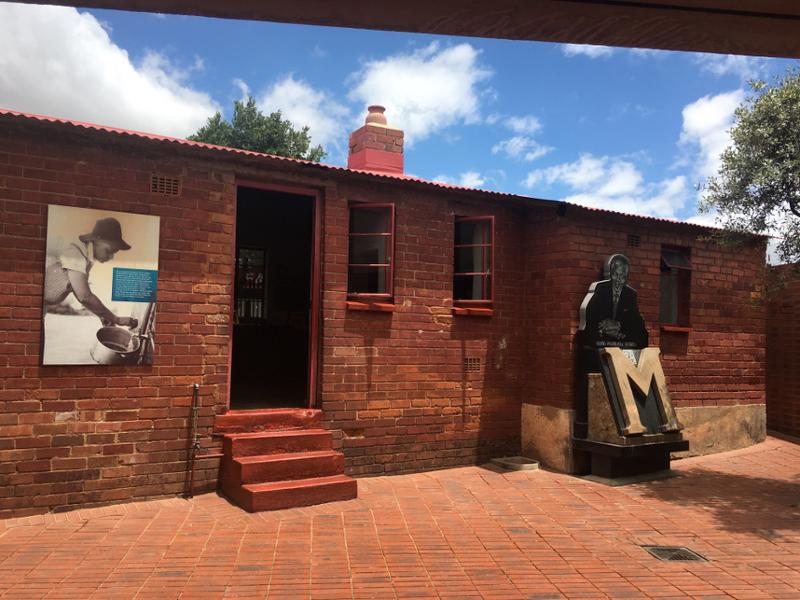
Mandela's House: nestled in the heart of Soweto (a contraction of South Western Townships), at 8115 Vilakazi Street, you'll discover the small house where Nelson Mandela and his first wife settled in 1946. This address has become a symbol of the struggle – and many visitors find it deeply moving – as it's located in a neighborhood that once housed black miners and workers.
Chancellor House: If you walk down Fox Street, stop at Chancellor House. This 1950s building housed the first law practice founded by Nelson Mandela and his partner Oliver Tambo. It was then South Africa's first black law firm.
Street art: considered the street art capital, Johannesburg features numerous ephemeral artworks throughout the city. As you wander, take time to observe them… Many still speak out against apartheid.
The former President of South Africa passed away in Johannesburg on December 5, 2013, at the age of 95.
Stop 5: The Apartheid Museum
Opened in 2001 in Johannesburg, the Apartheid Museum provides deep insight into what this regime of segregation was truly like. Through numerous photographs, videos, and texts, the museum traces the history of this dark period. It also displays objects gathered and curated by conservators and historians, as well as by filmmakers and designers.