8 Must-See Locations to Walk in Nelson Mandela's Footsteps
It is impossible to speak of South Africa without mentioning Nelson Mandela. A true symbol and hero of the anti-apartheid struggle,
It is impossible to speak of South Africa without mentioning Nelson Mandela. A true symbol and hero of the anti-apartheid struggle, he was the one who led the country toward profound change and remains today a beacon of hope for all humanity. We invite you on a cultural journey to walk in the footsteps of this extraordinary man who fought his entire life against racial segregation. Discover 8 iconic sites across South Africa to trace Nelson Mandela's path.
1. Grand Parade and Nobel Square in Cape Town
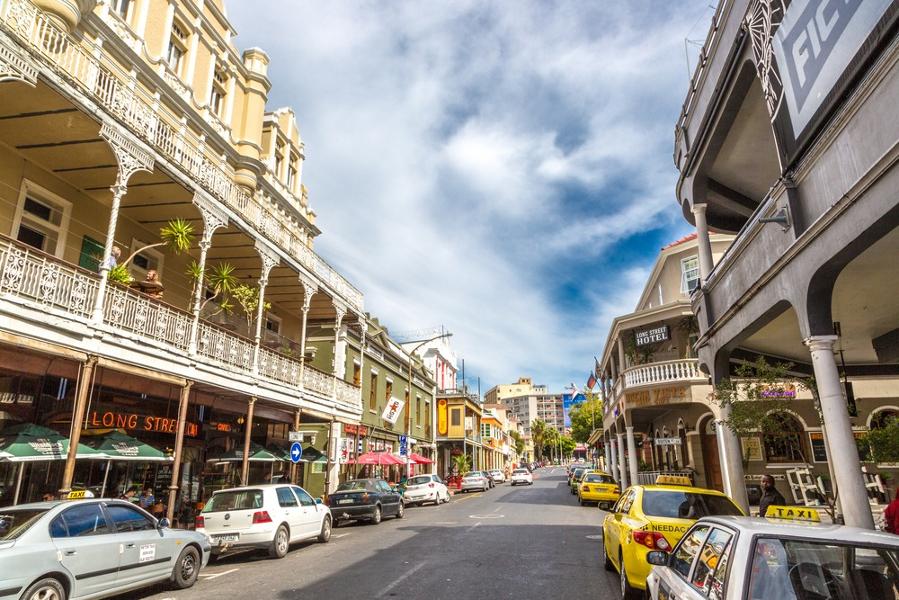
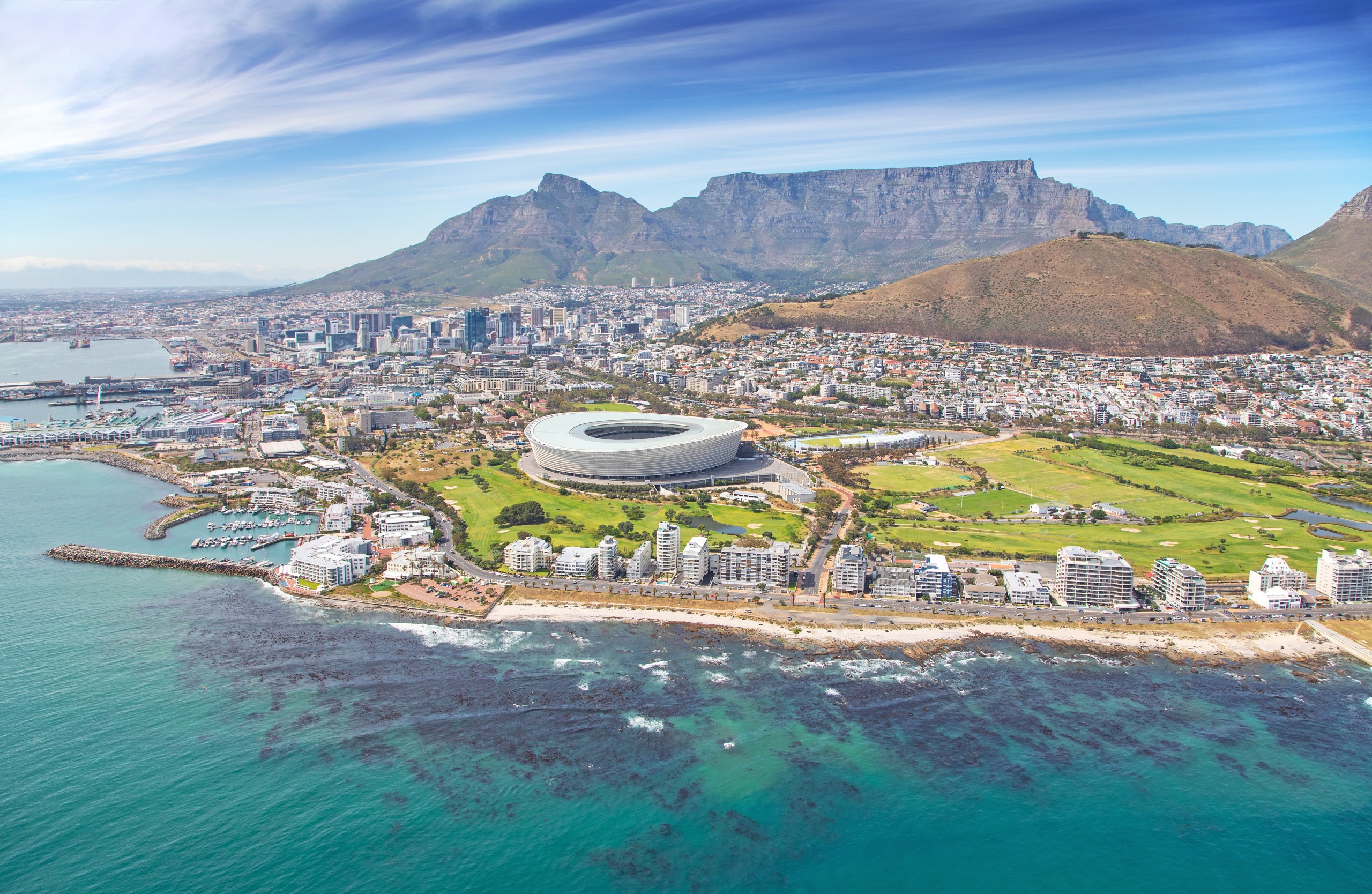
We begin our journey in Nelson Mandela's footsteps in the capital of the Cape Colony: the city of Cape Town. It was from Grand Parade and more precisely from the balcony of Cape Town's City Hall that Nelson Mandela delivered, on February 11, 1990, his first speech as a free man following his release from prison. Before a moved crowd, he declared "Your endless and heroic sacrifices have enabled me to be here today. I therefore place the remainder of my life in your hands."
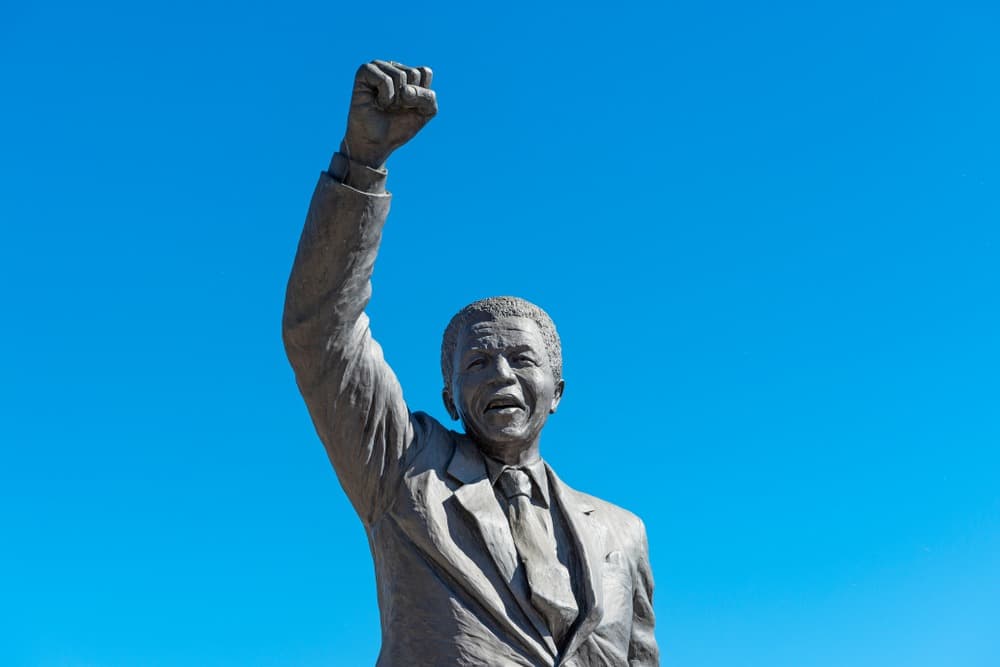
A short distance further, continue your journey to Nobel Square where you can admire four bronze statues representing South African Nobel Peace Prize laureates and major figures of reconciliation: Albert Luthuli, Desmond Tutu, FW de Klerk and Nelson Mandela. On Mandela's statue, you can read the inscription "Never, never and never again shall it be that this beautiful land will again experience the oppression of one by another."
2. Robben Island Prison
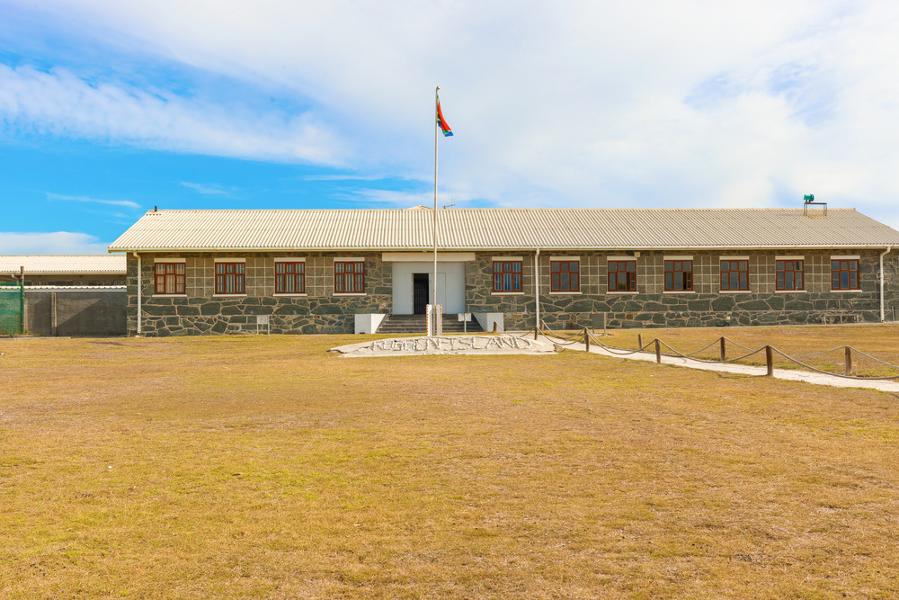
Robben Island is undoubtedly one of the most infamous locations in South Africa. It was on this island, which served as a whaling station, a leper colony and prison, that Nelson Mandela was interned for 18 years of his life. Located 7 km off the Cape coast, from Table Bay and 11 km offshore from Cape Town, this former high-security prison is today a museum. Guided tours organized by former political prisoners offer the opportunity to discover the tiny cell where Nelson Mandela was imprisoned.
3. The Apartheid Museum in Johannesburg
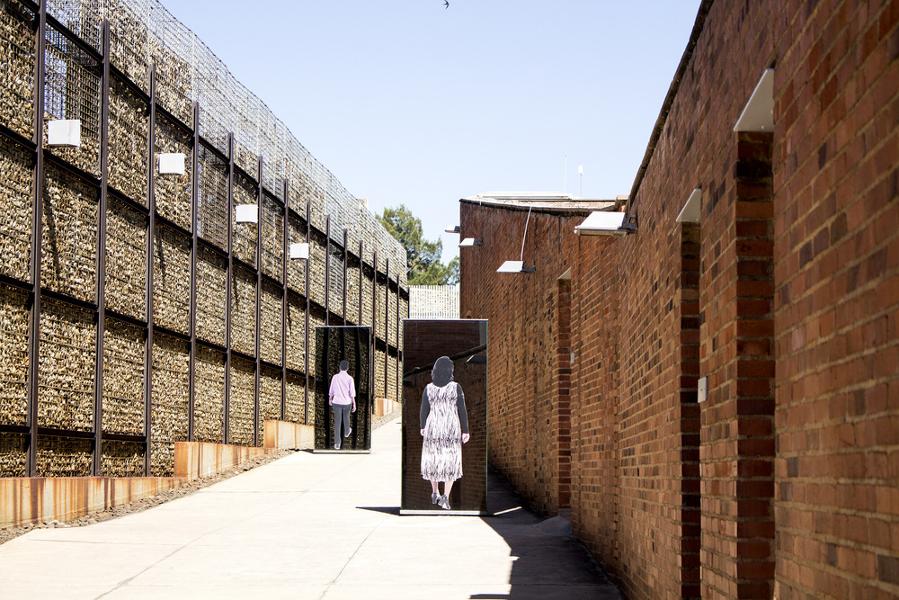
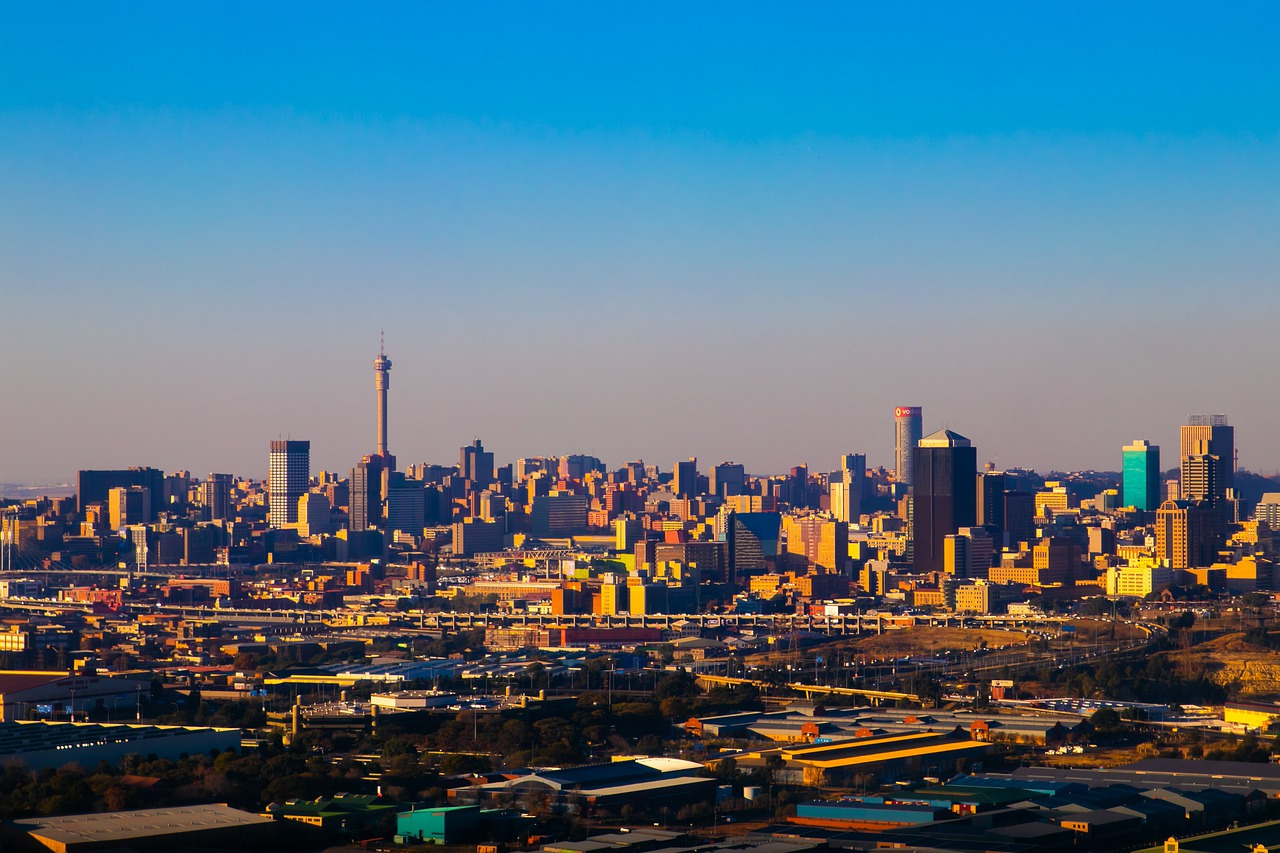
Another essential location to understand the history of South African society and the importance of Mandela's role within the segregationist system: the Apartheid Museum. Located south of Johannesburg, this museum leaves no one indifferent. One could even say visitors leave in a state of shock. Through an interactive journey, multimedia experiences, documentary films, live accounts and countless documents, visitors are truly immersed in this dark era of racial segregation. We recommend dedicating at least a half-day to visit the Apartheid Museum.
Learn more about Nelson Mandela's history
4. The Mandela House in Soweto
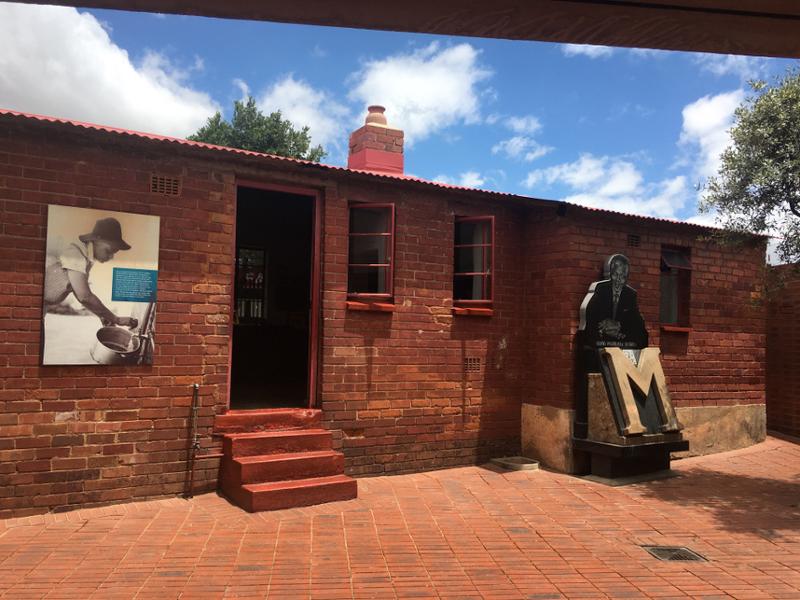
Southwest of Johannesburg, Nelson Mandela's spirit resonates more strongly than anywhere else. And for good reason, the township of Soweto – South Africa's largest – is an important symbol of resistance among disadvantaged populations during the apartheid regime. It was in this cradle of anti-apartheid revolt that we find Nelson Mandela's former home where he lived until his arrest. The Mandela House is now a museum where you can see photos, documents and personal objects of the man known as 'Madiba'.
5. Constitution Hill in Johannesburg
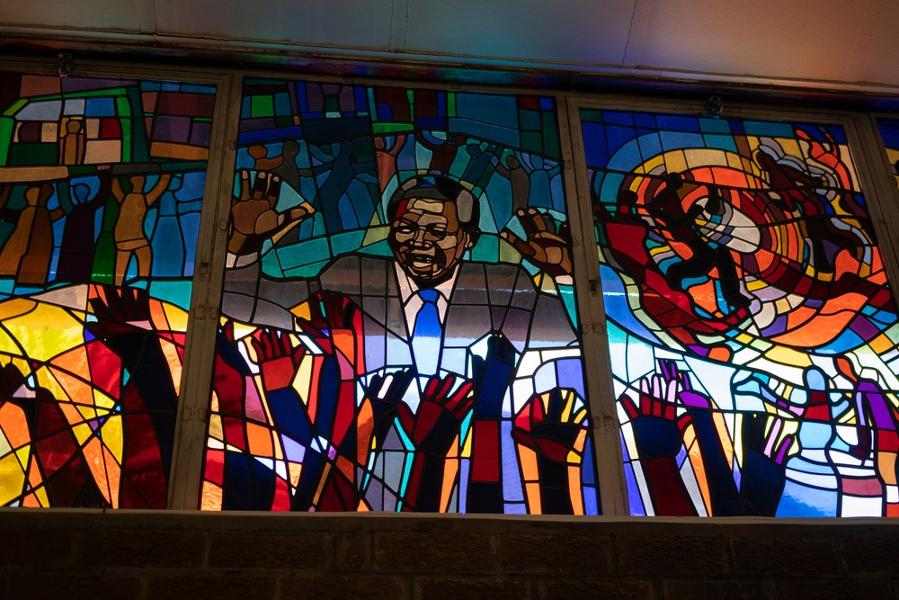
Robben Island was not the only prison where Nelson Mandela was imprisoned. Indeed, the anti-apartheid hero was also detained twice (in 1956 and then in 1962) at Constitution Hill prison in Johannesburg. Other major historical figures were also imprisoned here: Gandhi and Albert Luthuli. Today, Constitution Hill is a museum where you can visit Mandela's cell and discover numerous documents, including some of his writings from his time in captivity. Beyond the museum, Constitution Hill also houses South Africa's Constitutional Court.
Travel with your agency
Follow Nelson Mandela's path with a unique itinerary for a cultural journey witnessing South Africa's evolution toward Freedom.
Recommended itinerary: In Nelson Mandela's Footsteps
6. Chancellor House and the Shadow Boxer in Johannesburg
Still in the city of Johannesburg, you can also visit Chancellor House. While not the most significant location in Nelson Mandela's life, it was in this building that he created South Africa's first black law firm with his fellow freedom fighter Oliver Tambo. They defended black citizens accused of violating oppressive South African laws. Beyond the building itself, there is an outdoor museum with archival documents and a timeline of the two men's work against apartheid.
Across from Chancellor House stands an impressive steel sculpture about 6 meters tall representing Mandela boxing. Created by artist Marco Cianfanelli, this unique work called the 'Shadow Boxer' is inspired by the famous photograph of Mandela boxing taken by Bob Gasini in 1952.
7. Liliesleaf Farm
About twenty kilometers from Johannesburg's city center, in the Rivonia neighborhood, do not miss visiting Liliesleaf Farm. This former farm was used as a headquarters for the underground South African Communist Party and as a refuge for political fugitives. Nelson Mandela and his comrades would meet there for secret meetings in the 1960s. A police raid led to the arrest of a dozen activists in 1963. They were tried in the Rivonia Trial for conspiring to overthrow the regime. The site is today a museum where you can discover the complete history of the place through interactive presentations and audiovisual displays.
8. The Village of Qunu
We end where it all began: the village of Qunu where Nelson Mandela grew up. This is where he lived from 1920 to 1935 and it is also where he rests. You can visit the village accompanied by a guide who will take you to the remnants of his school, the Protestant church where he was baptized, and the house he had built after his release from prison in 1993. You can also find buildings bearing his likeness throughout the village, such as the Nelson Mandela Youth & Heritage Center or the Nelson Mandela Museum of Umtata which offer permanent and temporary exhibitions, some dedicated to Xhosa culture, the ethnic group to which he belonged.
Frequently asked questions
A minimum of 5 to 7 days is recommended to comfortably visit all 8 sites. Plan for 2 to 3 days in Cape Town (Robben Island, Grand Parade, Nobel Square) and 3 to 4 days in the Johannesburg region (Apartheid Museum, Mandela House in Soweto, Constitution Hill, Chancellor House, Liliesleaf Farm). The village of Qunu, located in the Eastern Cape province, requires an additional day's travel from these cities.
Yes, it is strongly recommended to book your Robben Island ticket well in advance, especially during high season (November to February). Tickets can be booked online on the museum's official website. The ferry crossing from the V&A Waterfront in Cape Town takes approximately 30 minutes and the complete island tour, guided by former political prisoners, lasts about 3.5 hours.
South Africa can be visited year-round. However, the period from March to May (South African autumn) and September to November (South African spring) offers pleasant temperatures in both major destinations, Cape Town and Johannesburg. July 18, International Nelson Mandela Day, is a symbolic date for a memorial journey.
Yes, the village of Qunu, located in the Eastern Cape province, is open to visitors. Local guides accompany tourists to the remnants of his school, the church where he was baptized and the house he built after his release from prison in 1993. The Nelson Mandela Museum in Umtata (Mthatha), nearby, also offers permanent exhibitions on his life and Xhosa culture.
Yes, a visit to Constitution Hill includes the cell where Nelson Mandela was imprisoned twice (1956 and 1962). The site is now a museum that traces the history of political prisoners, including Gandhi and Albert Luthuli. Constitution Hill also houses South Africa's Constitutional Court, a symbol of post-apartheid democracy.