Observing Cape Penguins: Everything You Need to Know
Planning to see Cape penguins during a trip to South Africa?
Planning to see Cape penguins during a trip to South Africa? From prime viewing locations and wildlife colonies to essential etiquette for observing these threatened seabirds without causing harm, here's everything you need to know about experiencing these remarkable creatures.
A Few Words About Cape Penguins...
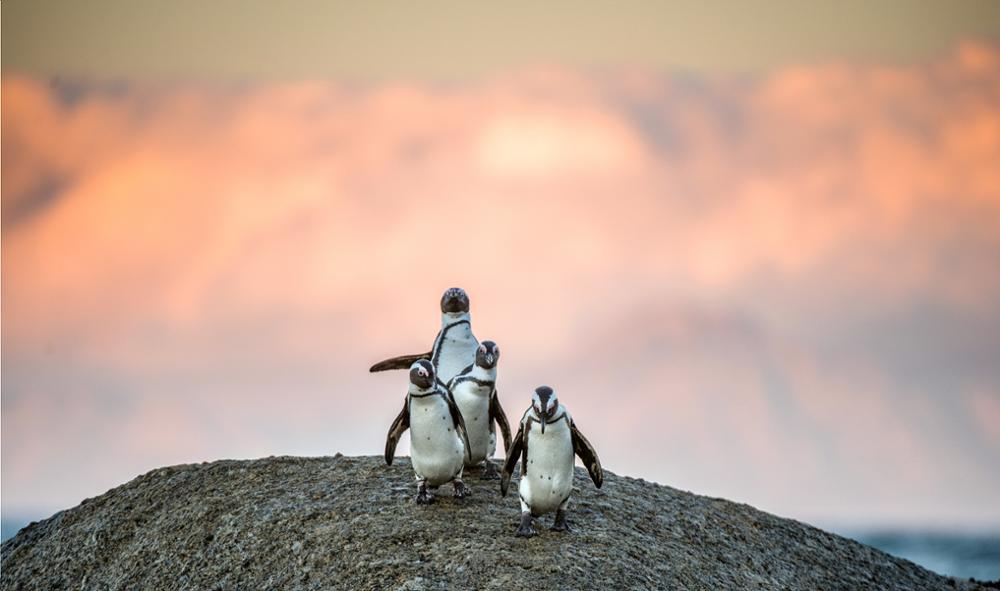
The Cape penguin is the only penguin species native to Africa, living exclusively along the coasts of southern Africa. These endearing creatures measure between 60 and 70 cm and weigh between 2 and 4 kg.
They are characterized by black plumage on their backs and white bellies with distinctive black markings unique to each individual. Small pink patches above the eyes of adult penguins are sometimes visible—these are thermoregulatory glands.
Cape penguins feed primarily on fish (notably sardines and anchovies) and small marine invertebrates (such as squid and crustaceans). They are monogamous birds, with their breeding season occurring between March and May.
Good to Know: What's the Difference Between Puffins and Penguins? To distinguish puffins from penguins, simply consider two key factors: their habitat and flying ability. Puffins are distributed across the Northern Hemisphere and can fly. Penguins, on the other hand, live primarily in the Southern Hemisphere and are incapable of flight. |
Where to See Cape Penguins in South Africa?
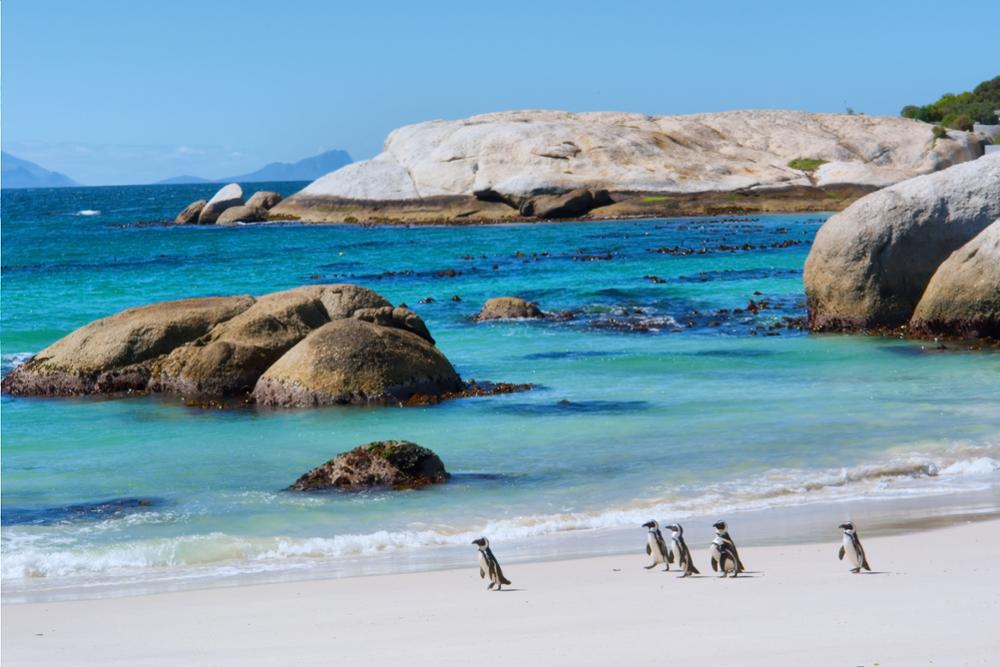
As mentioned, Cape penguins live exclusively along the coasts of South Africa. This endemic species of southern Africa thrives in colonies across 24 islands situated between Namibia and South Africa, specifically between Hollamsbird Island (Namibia) and Bird Island and Algoa Bay (South Africa), near Port Elizabeth.
Here are two must-visit locations to observe Cape penguins during your South African getaway:
Boulders Beach
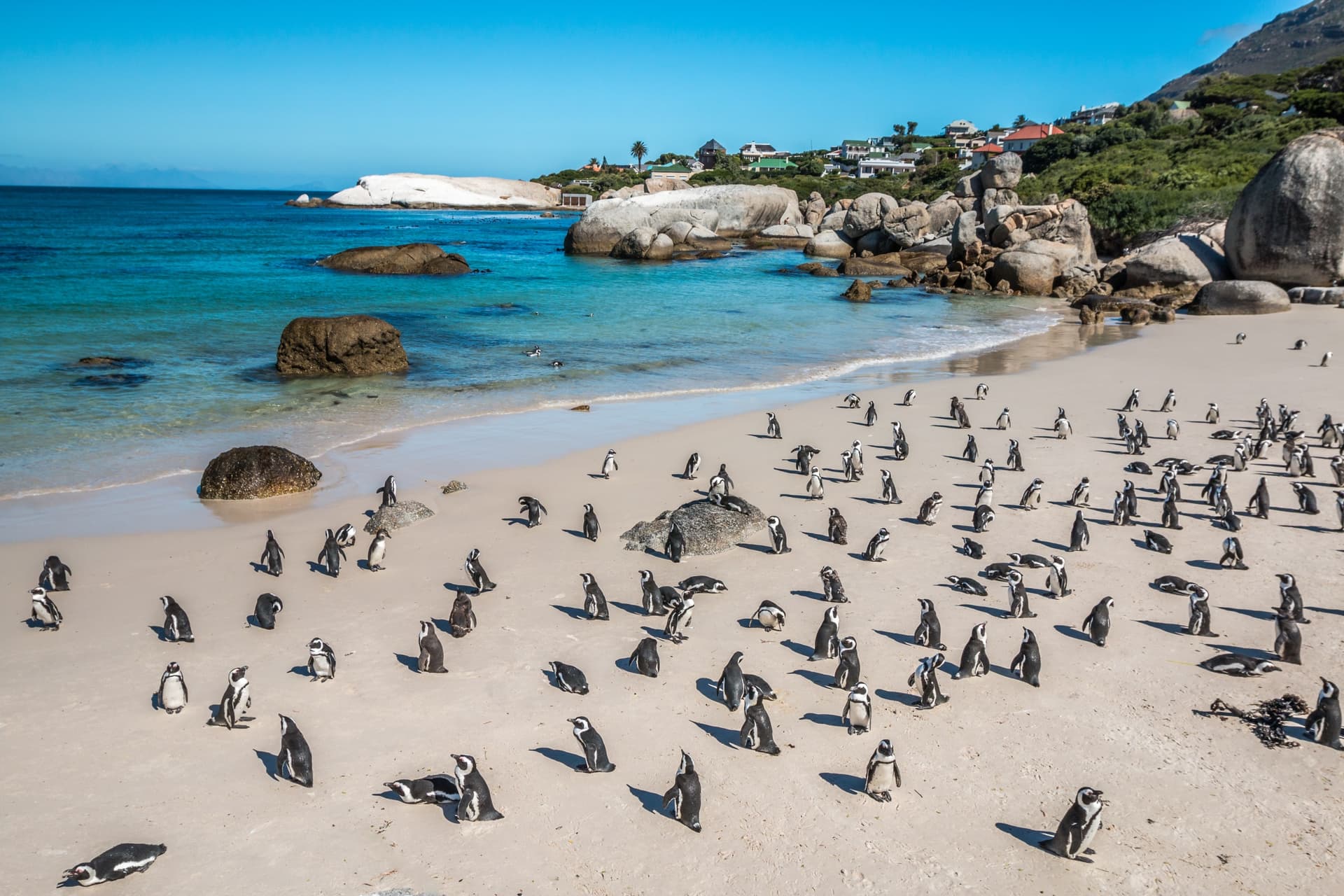
Boulders Beach is arguably the most popular spot to observe Cape penguins in their natural habitat. This beach, located near Simon's Town, just 30 minutes from Cape Town's city center on the route toward the Cape of Good Hope, is home to a colony of over 3,000 penguins.
Part of Table Mountain National Park, Boulders Beach requires an entrance fee (176 Rand for adults, roughly 8 euros, and 88 Rand for children aged 2 to 11). Revenue collected supports the protection of the park and Cape penguins.
Stony Point
Located near the village of Bettys Bay along the Whale Route, Stony Point is the other must-see location for viewing Cape penguins in South Africa. Unlike Boulders Beach, this site is far less crowded with tourists, making it ideal if you wish to observe them without feeling rushed or jostled. Two additional impressive species can also be found here: bank cormorants and Cape cormorants.
A Species Threatened with Extinction
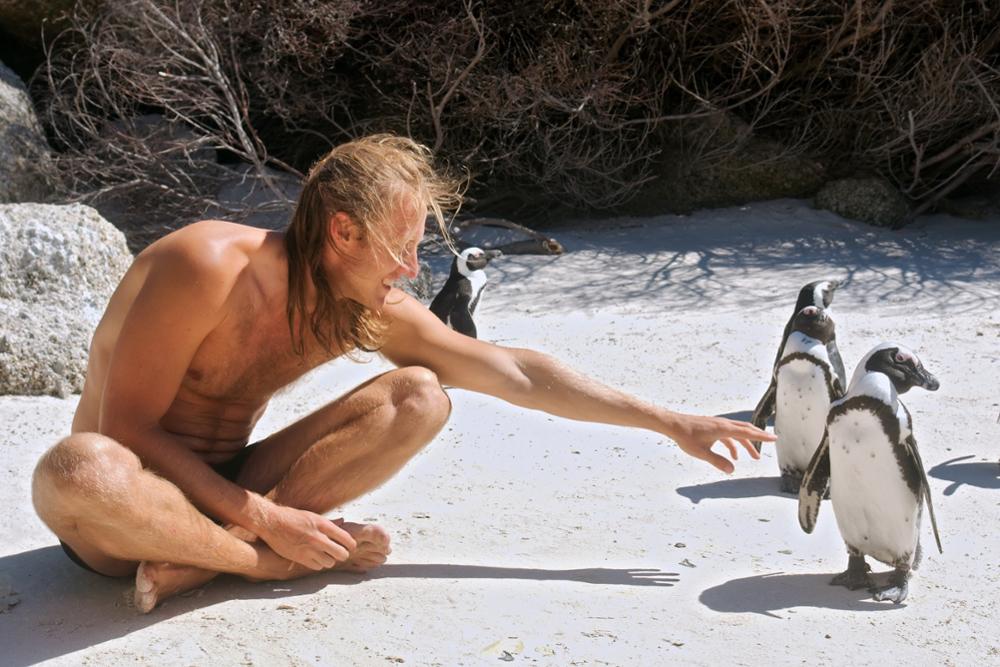
In the early nineteenth century, the Cape penguin population numbered approximately 4 million individuals. Today, barely more than 55,000 individuals remain across South Africa and Namibia.
According to recent estimates, South Africa now has only around 10,000 breeding pairs (4,000 in Namibia). This represents five times fewer than the minimum population considered necessary for the species to survive until 2100. To put this in perspective, the Cape penguin is more threatened than the white rhinoceros.
The dramatic decline in Cape penguin populations stems from numerous threats:
Hunting: penguin eggs were long considered a luxury delicacy;
Overfishing: which has depleted their food sources;
Guano depletion: this organic material, formed from accumulated seabird droppings and remains, was extensively harvested by humans for fertilizer, though penguins rely on it to build their nests;
Oil spills: they have been victims of several, most recently from the MV Apollo Sea in 1994 and the wreck of the MV Treasure in 2000;
Marine and noise pollution: since 2016, Algoa Bay has become the country's first shipping route authorized for offshore bunkering operations, transferring fuel directly between vessels;
Climate change.
Given this situation, the Cape penguin is now a protected species listed on the IUCN Red List of Threatened Species by the International Union for Conservation of Nature.
To prevent the collapse of Cape penguin colonies, conservation organizations and scientists are working together to protect them and establish new protected areas. One such initiative is the Southern African Foundation for the Conservation of Coastal Birds (Sanccob) rehabilitation center, which has cared for thousands of injured, sick, or abandoned seabirds annually since 1968, releasing them back into the wild.
Additionally, the first artificial colony was established approximately two hours' drive from Stony Point: the De Hoop Nature Reserve.
Ethical Guidelines for Observing Cape Penguins While numerous organizations work tirelessly to protect Cape penguins, travelers also have a responsibility to contribute to their conservation. If you're fortunate enough to encounter Cape penguins during a South African journey, please follow these essential guidelines:
|
If you'd like to learn more and see Cape penguins up close responsibly, we recommend visiting the Sanccob centers located in Cape Town or Centre Gqeberha.
Frequently asked questions
Cape penguins are visible year-round at Boulders Beach and Stony Point. However, the breeding season (March to May) is particularly rewarding for observing penguins with their chicks. Early morning or late afternoon are typically when they're most active.
Access to Boulders Beach, managed by Table Mountain National Park, requires payment: 176 Rand per adult (approximately 8€) and 88 Rand for children aged 2 to 11. These fees directly support the protection of Cape penguins and the park.
No, it is strictly prohibited to touch or get too close to Cape penguins. You must maintain a safe distance to avoid frightening them and prevent disease transmission. These birds are a protected species, and any disturbance is subject to penalties.
The distinction is straightforward: puffins inhabit the Northern Hemisphere and can fly, while penguins live in the Southern Hemisphere and cannot fly. The Cape penguin is indeed a penguin, not a puffin, though the two terms are often confused.
The Cape penguin population is currently estimated at approximately 55,000 individuals, down from 4 million in the early nineteenth century. Only about 10,000 breeding pairs remain in South Africa, placing the species on the IUCN Red List as threatened with extinction.
Boulders Beach, near Simon's Town, is the most visited site with a colony exceeding 3,000 penguins but often crowded with tourists. Stony Point, near Bettys Bay on the Whale Route, is less known and provides a more peaceful experience. Bank cormorants and Cape cormorants can also be observed there.