Johannesburg's Must-See Attractions
Johannesburg is known for its former apartheid policy and anti-segregation struggles—led in part by Nelson Mandela.
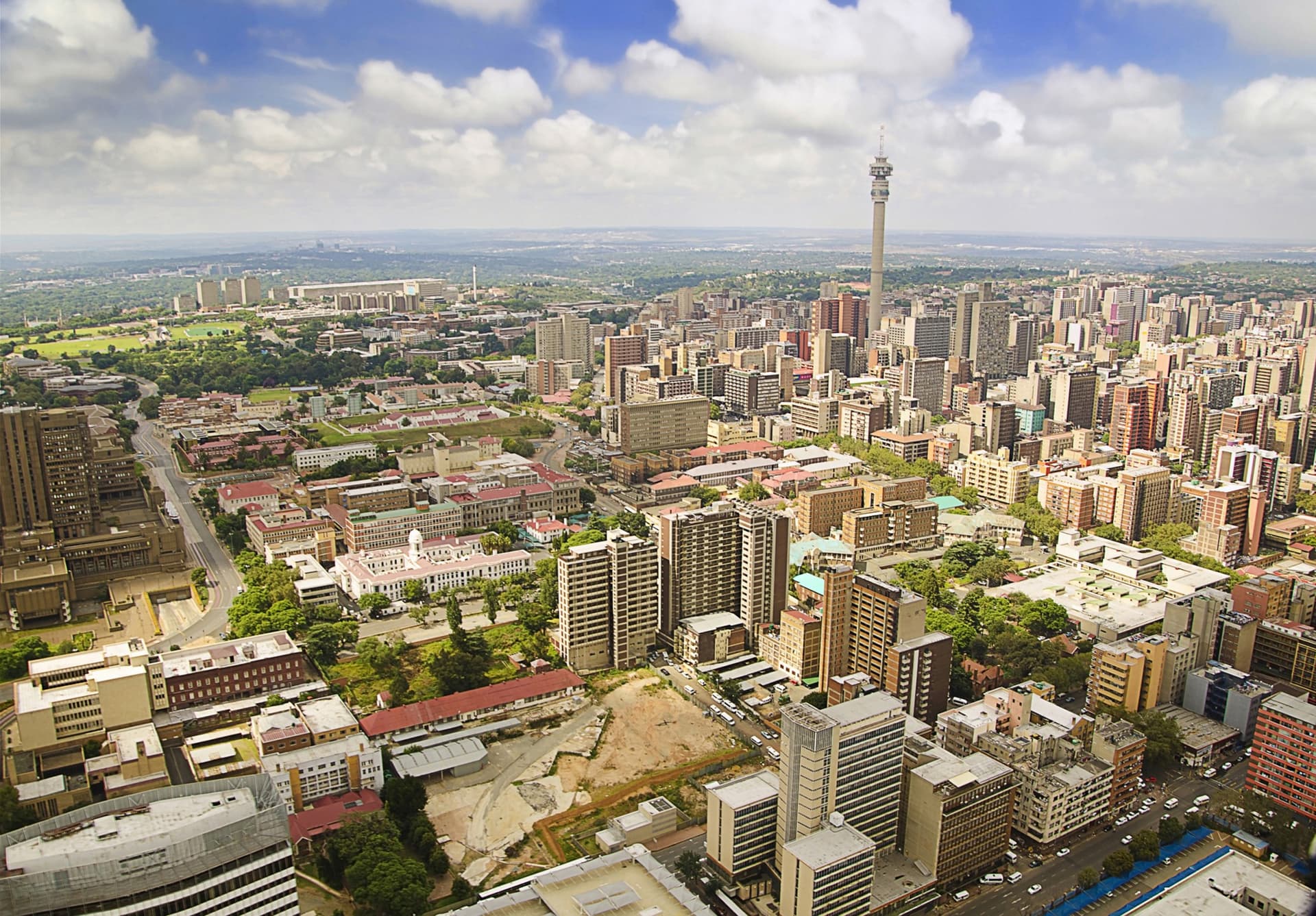
Johannesburg is known for its former apartheid policy and anti-segregation struggles—led in part by Nelson Mandela. Today, the city bears witness to this heavy historical past… but that's not all! From historic neighborhoods to cultural venues, through to sites in the Cradle of Humankind: here are all the must-see attractions in Johannesburg.
Johannesburg's Essential Cultural Venues
The Newtown District
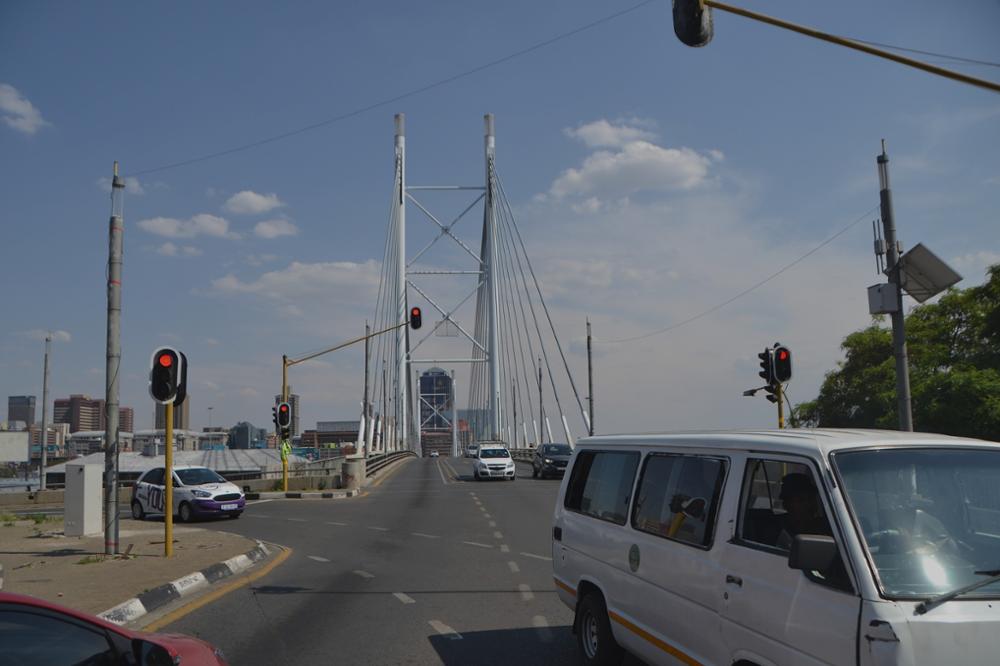
Located 20 minutes from Johannesburg, in Gauteng province, Newtown is a former industrial district, once dedicated to brick production. This part of the city has undergone many transformations over the decades, before becoming one of the city's essential cultural neighborhoods.
Known for its celebrated Jazz Walk of Fame (which honors the greatest legends of South African jazz), the district also houses the Mary Fitzgerald Square, dedicated to one of South Africa's first trade unionists…
Arts on Main
Arts on Main is a creative hub located in the Maboneng neighborhood. It houses art galleries, studios, numerous restaurants, and alternative boutiques. Highly vibrant, this venue is particularly popular on Sundays, when locals come to dine and socialize.
The Johannesburg Art Gallery (JAG)
Founded in the 1900s, the "JAG" holds the country's largest art collection, with nearly 9,000 works! You can view European works from the 17th and 18th centuries, as well as, since 1994, works by South African artists. You'll find, among others, canvases by Picasso and Warhol, as well as by Maggie Laubser, Selby Mvusi, and George Pemba.
Gold Reef City
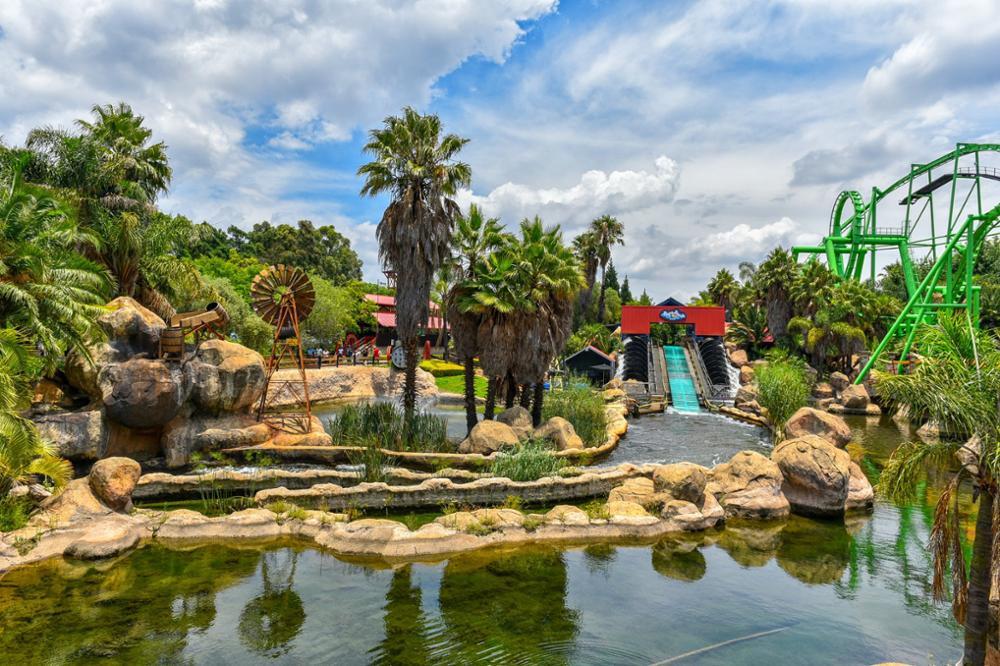
Gold Reef City is a theme park built on former gold mines, dedicated to the famous "gold rush" of the 1880s. Spanning 10 hectares, it features several thrilling rides, as well as attractions suited for younger visitors. You can explore a real underground mine, preserved within this reconstructed village.
Historic Sites to Visit During a Stay in Johannesburg
The Apartheid Museum
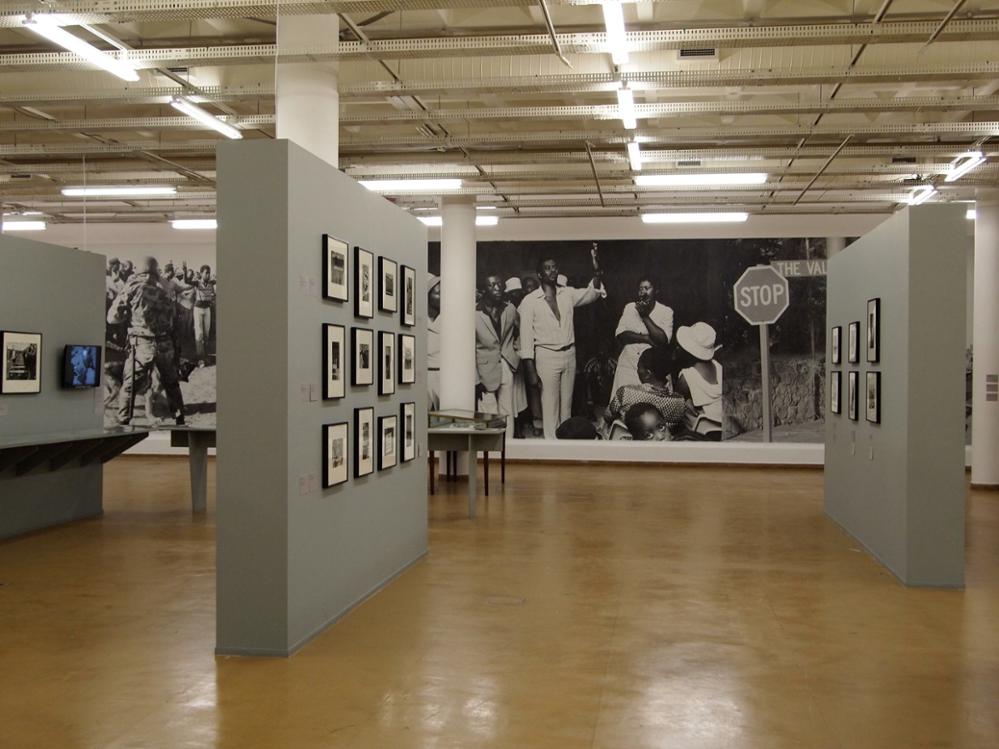
Visiting the Apartheid Museum is an essential stop on any trip to Johannesburg. Opened in 2001, this venue chronicles the segregationist regime that once governed South Africa, using texts, videos, and photographs.
Both essential and challenging, this visit allows you to understand the country's history and remember the 131 opponents who were executed under anti-terrorism laws. On your entrance ticket, you'll notice the designation White or Non-white, which indicates your entry door…
Constitution Hill
In the Braamfontein neighborhood, you'll find Constitution Hill. It was here, within this former fort, that three apartheid prisons stood (for whites, women, and Black citizens—where Nelson Mandela was imprisoned). Today, the monument houses the country's Constitutional Court. During your visit, you can see isolation cells and view testimonies.
Soweto
Soweto (South Western Township) is one of South Africa's largest townships (an area created to house people of color in the 1950s, as the government began separating white and Black populations).
While some townships are dangerous, Soweto can be visited safely. At 8115 Vilakazi, you can see Nelson Mandela's first home, where he settled in 1946 with his first wife. Undergoing rapid transformation, this historic neighborhood is increasingly trendy…
Nelson Mandela and the City of Johannesburg Johannesburg held a significant place in Nelson Mandela's life. Indeed, this legendary human rights defender (who was imprisoned for 27 years for his struggle, then became South Africa's first Black president, elected in 1994) experienced major moments of his existence there. Today, the city reflects this close connection with Madiba, thanks to numerous landmarks. Among them? Chancellor House, a 1950s building that once housed the first Black law firm, co-founded by Nelson Mandela! |
Natural Sites to See in Johannesburg
Sterkfontein and Maropeng Caves
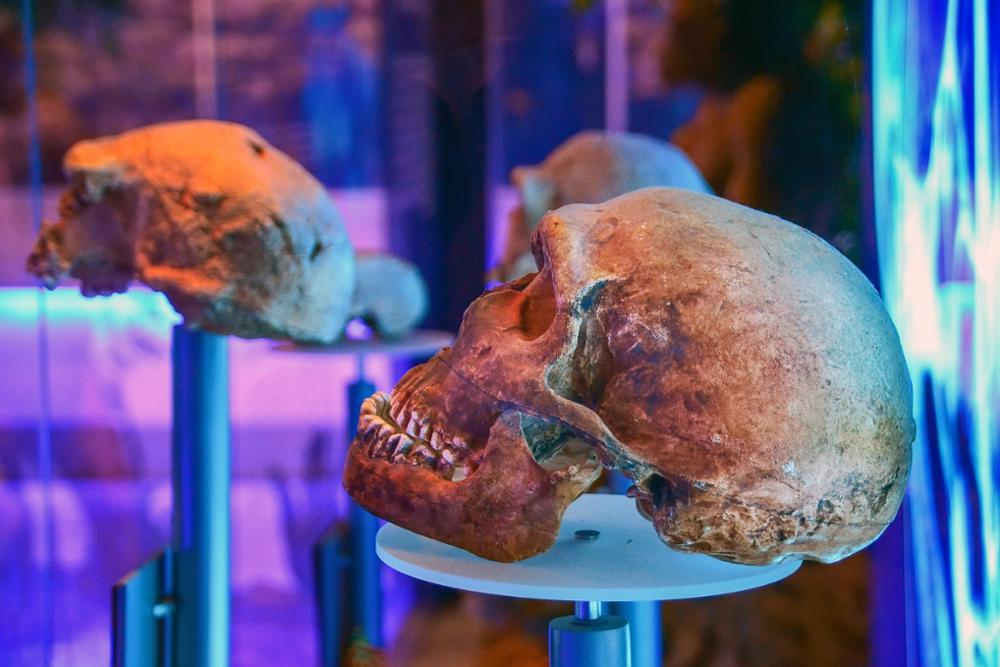
South Africa is home to some of the world's oldest fossil hominid sites ever recorded—including the famous "Taung Child" skull dating back nearly 3 million years! Grouped under the UNESCO designation "Cradle of Humankind," several remarkable natural sites dot the country. About 50 km from Johannesburg, you can visit the Sterkfontein Caves, then, further on, the Maropeng Caves…
Walter Sisulu National Botanical Garden
About 30 km from Johannesburg's center, don't miss the stunning Walter Sisulu National Botanical Garden. Spanning 300 hectares, it hosts numerous bird species within its lush greenery. It's a very peaceful place, also popular for its waterfall.
Frequently asked questions
Johannesburg has a reputation as a risky city, but many tourist neighborhoods like Maboneng, Newtown, and Sandton are relatively safe to visit during the day. It's advisable to avoid walking alone at night, not to display valuables, and to prioritize taxis or Uber for transportation.
To visit Johannesburg's main attractions (Apartheid Museum, Soweto, Constitution Hill, Newtown, and Sterkfontein Caves), plan for at least 3 to 4 days. A week-long stay will allow you to explore the city at a more leisurely pace and include excursions to the surrounding areas.
The best time to visit Johannesburg is from May to September, during the Southern Hemisphere winter. The weather is dry and sunny, ideal for outdoor visits. Summers (November to February) are hot and rainy, but remain pleasant for exploring the city.
The Apartheid Museum is located near Gold Reef City theme park, in south Johannesburg. You can reach it by Uber, taxi, or rental car. Entrance is paid and the visit typically lasts 2 to 3 hours.
Yes, Soweto is one of South Africa's most accessible townships for tourists. Many agencies offer guided tours that allow you to safely discover Nelson Mandela's home at 8115 Vilakazi Street, Desmond Tutu's church, and the neighborhood's street murals.