Preparing Your Safari in South Africa: All Our Tips
With its numerous national parks and private game reserves, South Africa ranks among the world's best destinations for wildlife safaris!
With its numerous national parks and private game reserves, South Africa ranks among the world's best destinations for wildlife safaris! When should you go? Which type of safari should you choose? Where to stay and what equipment should you bring? Discover all our tips for preparing a safari in South Africa!
When Should You Go on a Safari in South Africa?
Since South Africa is located in the southern hemisphere, the seasons are reversed compared to Europe. While the climate remains relatively pleasant year-round, it's important to know that summers (November to March) are hot and humid, while winters (April to October) are cool and dry. The best time to go on safari in South Africa is during the dry season. The reason is simple: vegetation is less abundant, offering better visibility for observing wildlife. At the end of the dry season (between August and October), as water becomes scarcer, wild animals emerge more frequently in search of drinking points.
Which Type of Safari Should You Choose?
There are several ways to enjoy a wildlife safari in South Africa. It all depends on where you'll be going! Indeed, you can go on safaris in South Africa's national parks or in private reserves. Since safari conditions differ between these two types of locations, let's explore the various options.
Going on a Safari in a South African National Park
National parks are state-managed and accessible at relatively low cost (compared to private reserves). This is why they're frequented by more tourists. You can enjoy two types of safari there:
A self-drive safari: The principle is to rent your own vehicle to conduct a safari at your own pace. You'll enjoy a great sense of freedom and can stop whenever you like, as long as you stay on the designated routes.
While this is the most economical option, it requires excellent planning and extensive research beforehand to make the most of your experience.
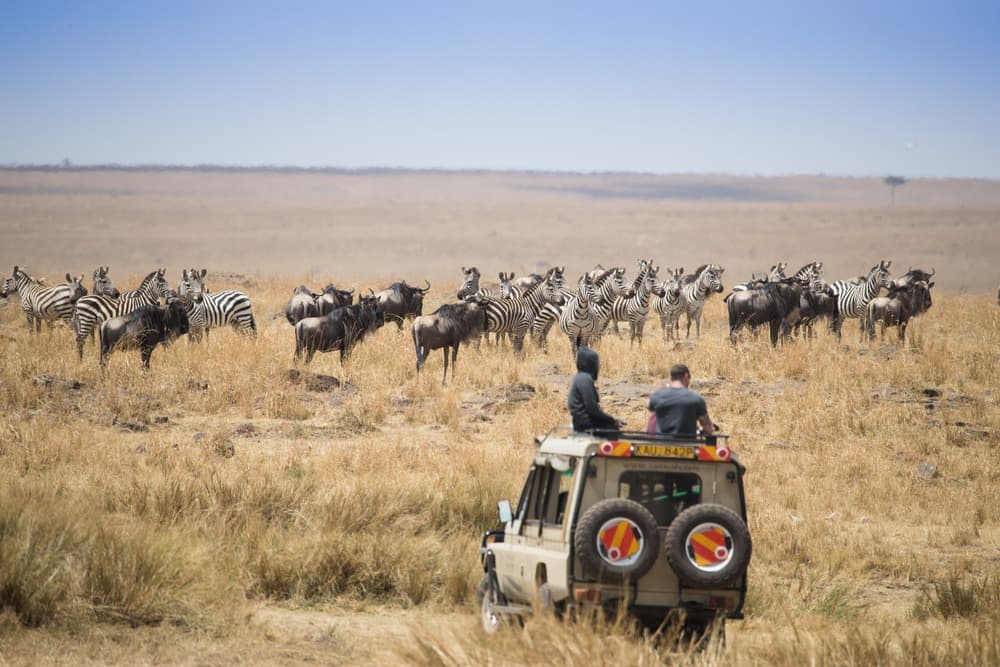
A guided safari: Also called a game drive, a guided safari is conducted with a guide (or ranger) who will share all their knowledge about the park's wildlife. You'll benefit from their expertise to locate animals more easily. Most of the time, this type of safari takes place in a 4x4 that you'll share with other visitors, unless you've chosen a private safari.
Going on a Safari in a South African Private Reserve
Located generally on the borders of national parks, private reserves are independent and thus have their own rules (no time constraints, for example). Entry to the reserves is more expensive and is deliberately limited to a restricted number of visitors. In other words, they offer a calmer and more intimate setting than national parks. It's worth noting that you must book accommodation in the lodges within the reserves to access them. While self-drive is not permitted in South Africa's private reserves, you can nonetheless enjoy:
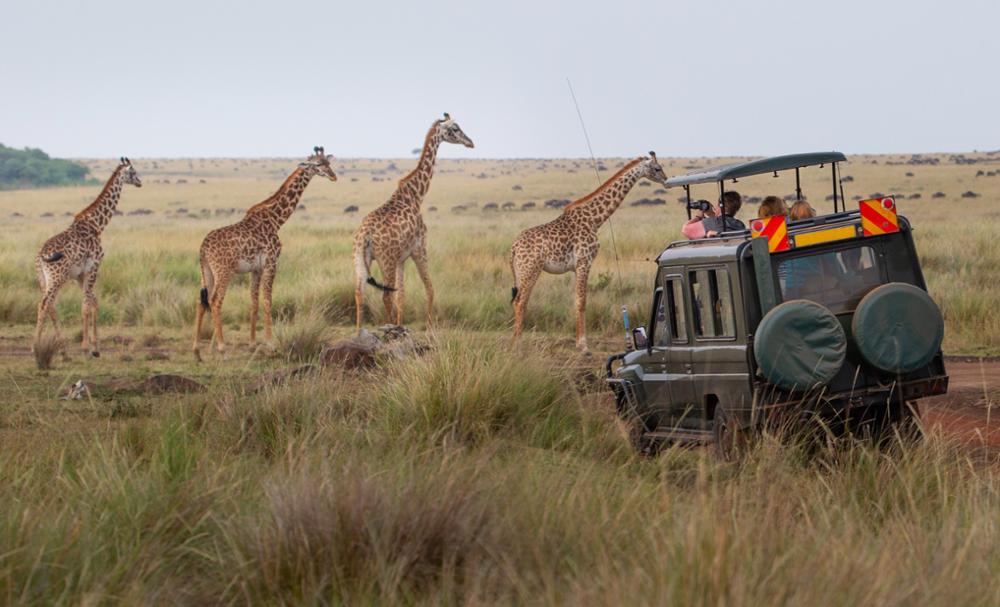
A guided safari: just as in national parks, you'll be accompanied by a ranger (in a shared or private jeep depending on your choice) who will spot wildlife and tell you more about their behavior. Unlike national parks, off-road driving is permitted in private reserves.
A walking, biking, or horseback safari: most private reserves can offer you the chance to observe wildlife during a hiking excursion, mountain biking, or horseback ride for an authentic and adventurous safari experience!
A night safari: going on safari at night, or at sunrise or sunset, allows you to observe animals differently since that's when they come to drink and hunt!
Good to know: in some of South Africa's private reserves, it's also possible to enjoy boat safaris to observe wildlife and flora in aquatic environments, or to arrange a hot air balloon flight!
Where to Stay During a Safari in South Africa?
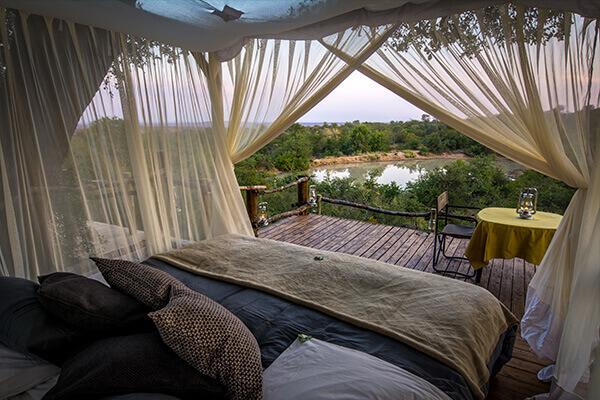
If you're planning a safari in a South African national park, you'll have the choice of staying at a campsite in an established camp. In this case, you'll need your own camping equipment unless the park has a tent or bungalow rental service. Alternatively, you can book accommodation outside the park.
In the case of a safari in a private reserve, you'll be required to book a night at one of the site's accommodations to gain access. Most of the time, these are stunning lodges with premium amenities. You can find our selection of the best and most beautiful camps and lodges in South Africa's reserves.
What Code of Conduct Should You Follow on a Safari?
To ensure your safety and the well-being of animals, a series of guidelines will be provided to you upon entering the park or reserve. Listen carefully to what the rangers tell you. In the meantime, here are some rules of good conduct to follow on a safari in South Africa.
If you're driving (self-drive):
stay in designated areas,
respect speed limits,
maintain a safe distance from animals,
never get out of your vehicle.
When you encounter an animal:
close the windows,
turn off the engine,
stay silent so as not to disturb it.
In general:
remain as discreet as possible in the presence of animals,
avoid drawing their attention in any way,
never feed them under any circumstances,
finally, don't use flash when taking photos.
What Should You Pack for a Safari in South Africa?
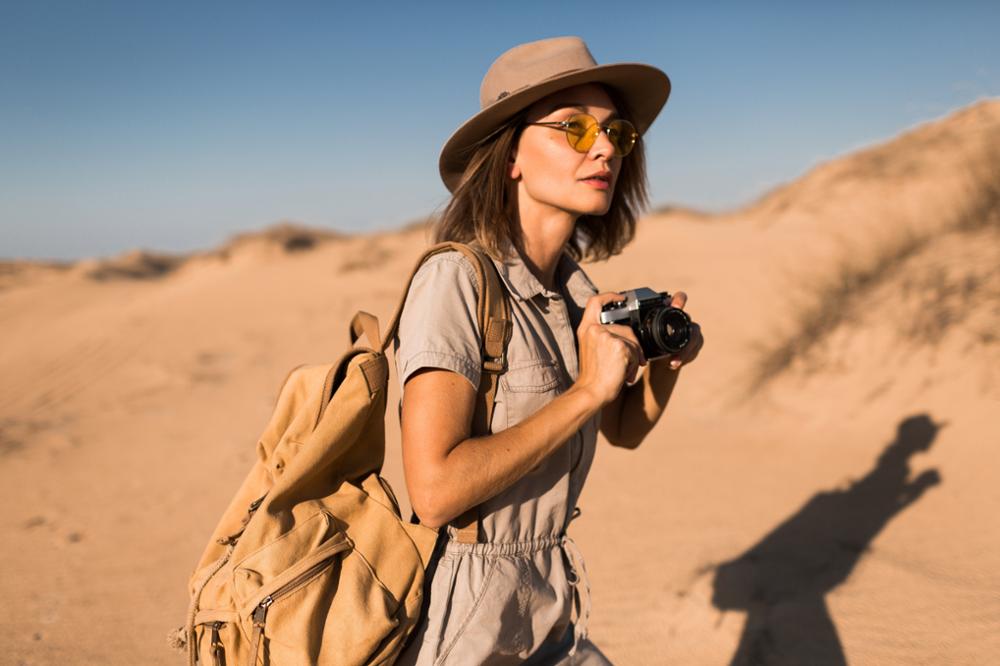
To make sure you don't forget anything, here's a checklist of essential equipment to pack before heading out on safari in South Africa:
A good pair of hiking shoes,
Appropriate clothing: lightweight, comfortable, and understated outfits such as trousers and a long-sleeved top (avoid bright colors) as well as a warm sweater for the evening.
Sun protection: sunscreen, hat or cap, sunglasses…
A waterproof jacket in case of rain.
A first aid kit: bandages, disinfectants, antimalarial preventative medication, and other medicines...
Insect repellent sprays or lotion.
Photography accessories: camera, camcorder, phone, memory cards, and binoculars.
A flashlight for your nighttime outings.
You're now ready to discover this fabulous wild world. All that's left is to choose which national parks and private reserves you'd like to visit for your safari in South Africa!
Frequently asked questions
The best time for a safari in South Africa is the dry season, from May to October. Vegetation is less dense, which makes observing animals easier. Between August and October, animals congregate around water sources, providing particularly spectacular viewing opportunities.
Citizens of EU countries do not need a visa for tourist stays in South Africa of up to 90 days. A valid passport is sufficient. However, check with your country's embassy before departure for any updates to entry requirements.
Malaria is present in certain regions of South Africa, particularly in Kruger National Park and the northern parts of the country. Preventative antimalarial medication is strongly recommended for these areas. Consult your doctor before departure to obtain an appropriate prescription.
The budget for a safari in South Africa varies considerably depending on the type you choose. A self-drive safari in Kruger National Park is the most economical option (park entry, car rental, camping). A safari in a private reserve with a luxury lodge can cost several hundred euros per night per person, all-inclusive.
Yes! South Africa is one of the world's best destinations for observing the Big Five: the lion, elephant, buffalo, leopard, and rhinoceros. Kruger National Park and many private reserves such as Sabi Sand or Phinda offer excellent opportunities to spot them.
National parks are state-managed, less expensive, and more accessible. They permit self-drive safaris. Private reserves are more exclusive, more intimate, and more expensive. They offer more types of safaris (walking, night, off-road) and luxury lodges, but self-drive is not permitted.