Addo Elephant National Park
Addo Elephant National Park
South Africa's third-largest national park, Addo Elephant is home to over 600 elephants and the Big Five, located 70 km from Gqeberha in the Eastern Cape.
Addo Elephant National Park is located in the Eastern Cape, approximately 70 km north of Gqeberha (Port Elizabeth). South Africa's third-largest national park, it harbors one of the continent's highest elephant densities — over 600 individuals — as well as the five great African animals. Its dense subtropical bushland vegetation sets it distinctly apart from the open savannas of Kruger.
Practical Information at a Glance
- Entry: paid; resident/non-resident rates differ (SANParks booking recommended)
- Recommended duration: 1 to 3 days to cover main zones
- Access: private car or rental vehicle from Gqeberha; internal roads passable in 2WD for most routes
- Attire: neutral colors advised; avoid white or bright red
- Essential rules: never exit vehicle outside designated areas; do not feed animals
- Disability accessibility: some camps and viewpoints are accessible; inquire with SANParks
What You'll See
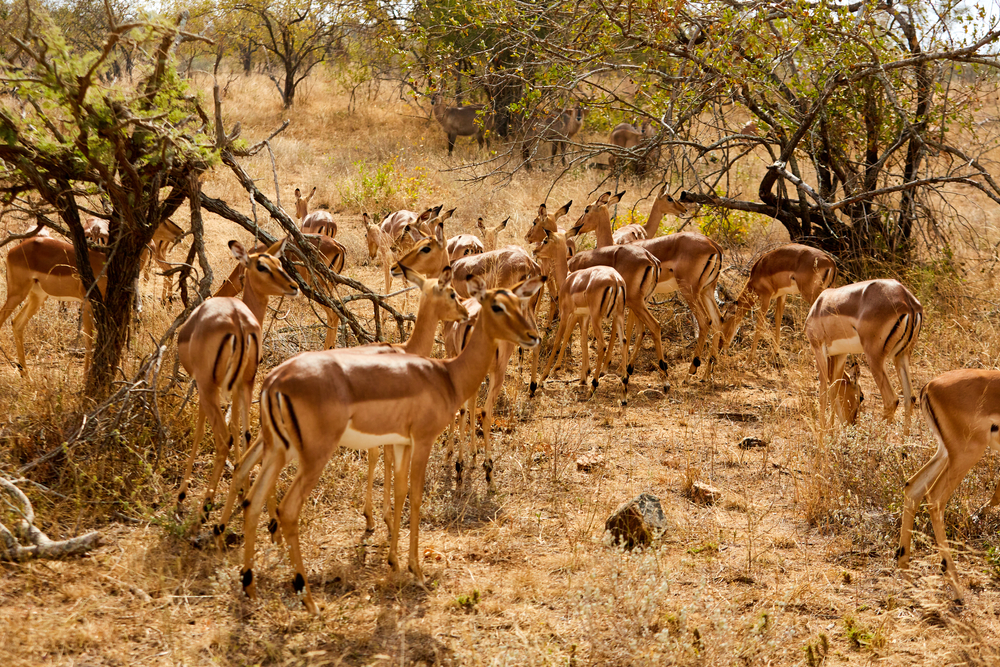
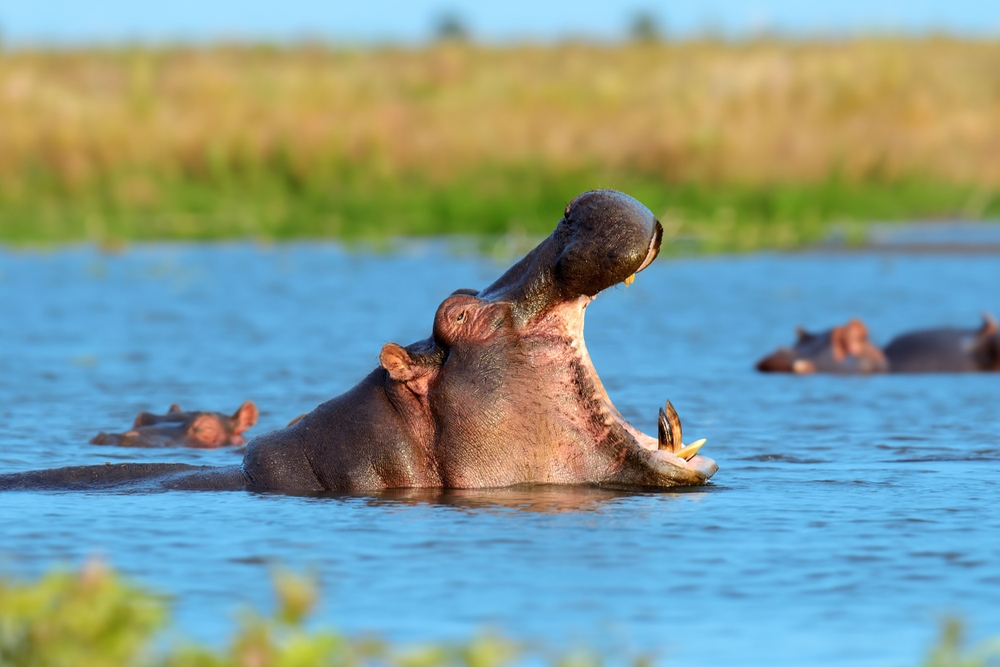
The park concentrates the Big Five: elephants, lions, leopards, buffalo and black rhinos. Elephants remain the central draw — herds frequently gather around waterholes, notably at Hapoor waterhole. The park also hosts spotted hyenas, Cape mountain zebras, kudus and a rich birdlife exceeding 400 species.
History and Context
In 1919, only eleven elephants survived in the region, victims of intensive hunting. The park was established that same year to protect this remnant. The population has since been rebuilt naturally, without outside reintroduction, making it a remarkable conservation story. The park's marine extension, added in 2000, incorporates a portion of the Indian Ocean with whales, great white sharks and Cape penguins.
Highlights of Your Visit
Hapoor Waterhole
This artificial waterhole, visible from an elevated platform at the Main Camp, is the best spot for observing elephants at any time. Herds succeed one another, often accompanied by buffalo and warthogs.
The Nyati Zone
This newer section of the park harbors reintroduced lions and leopards. The tracks are less frequented, increasing your chances of discrete wildlife sightings.
The Woody Cape Marine Extension
Accessible from the coast, this zone protects fossil dunes, coastal forests and beaches frequented by Cape penguins. It can be explored on foot along marked trails.
Night Safaris
Guided open-vehicle drives after sunset allow you to observe crepuscular species — civets, genets, aardvarks — rarely visible during the day.
Photography Tips
Golden light during the first two hours after sunrise is ideal around waterholes. Dense bush can obscure animals during midday; favor early morning and late afternoon outings. From your vehicle, switch off the engine to avoid vibrations. Elephants sometimes approach vehicles very closely — keep windows partially closed and never thrust your lens out abruptly.
Location and Access
The park is located in the Eastern Cape, approximately 70 km north of Gqeberha via the N2 then the R335. Gqeberha (Port Elizabeth) airport is the most practical gateway. Shuttles and organized tours depart daily from the city. The main camp (Main Camp) offers SANParks-managed accommodation, from bungalows to camping tents.
Nearby Attractions
- Gqeberha (Port Elizabeth) — coastal city in the Eastern Cape, logistical starting point with beaches and museums.
- Garden Route (Garden Route) — spectacular coastline to the west, between Mossel Bay and Storms River.
- Shamwari Game Reserve — neighboring private reserve, also Big Five, with upscale accommodations.
- Tsitsikamma National Park — dense coastal forests and Storms River gorges, approximately 2 hours southwest.
Frequently asked questions
The park is open year-round. The dry season (May to September) facilitates sightings as vegetation is less dense and animals concentrate around waterholes. Summer months (November to February) are hot and humid, but elephant calf births are more frequent.
Yes, the park can be visited independently by car on marked tracks. Guided open-vehicle safaris are offered by SANParks and private operators, particularly for night drives.
Booking is strongly recommended for park accommodation, especially during South African school holidays (December-January, April, July). Day entry can usually be paid at the gate, but confirm with SANParks.
Yes, it's a classic itinerary. Gqeberha serves as a common base. Allow 2 to 3 days at Addo, then head west on the Garden Route via the N2.
Photography is unrestricted from vehicles and designated areas. Drones are prohibited in the park without special authorization from SANParks.
Yes, private vehicle safaris are suitable for all ages. Some operators set a minimum age for open-vehicle safaris — confirm at the time of booking.
Want to discover this destination?
Our local advisors design your tailor-made trip.