Mlilwane Wildlife Sanctuary
Mlilwane Wildlife Sanctuary
Eswatini's oldest nature reserve, Mlilwane lets you explore the savanna on foot, horseback or mountain bike among zebras, hippos and antelopes — a rare experience in southern Africa.
Mlilwane Wildlife Sanctuary is Eswatini's oldest nature reserve, nestled in the Ezulwini Valley about 30 kilometers from Mbabane. Founded in the 1960s by Ted Reilly, it spans roughly 4,500 hectares of savanna, rocky hills and wetlands. Without large predators, the reserve can be explored on foot, horseback or mountain bike — a rare experience in southern Africa that allows you to encounter wildlife at eye level.
Quick facts
- Admission: Paid entry (conservation fee collected at the gate)
- Access: Car recommended from Mbabane or Manzini via MR103 (Ezulwini Valley)
- Duration: Half-day to full day; overnight stays available
- What to wear: Closed-toe shoes essential for hiking and horseback rides
- Activities: Hiking, mountain biking, horseback riding, vehicle safari
What you'll see
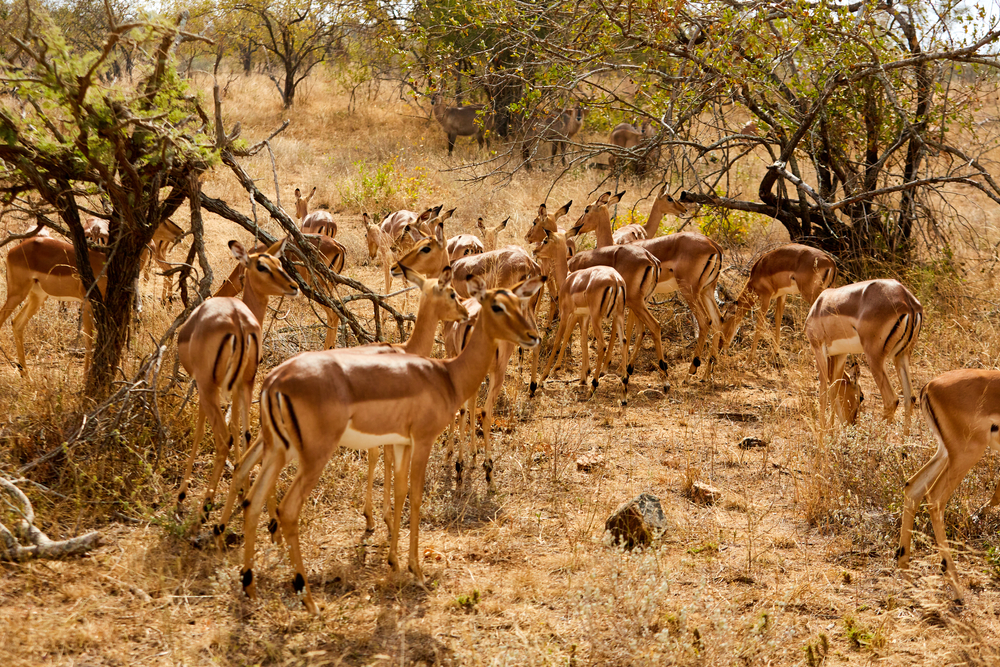
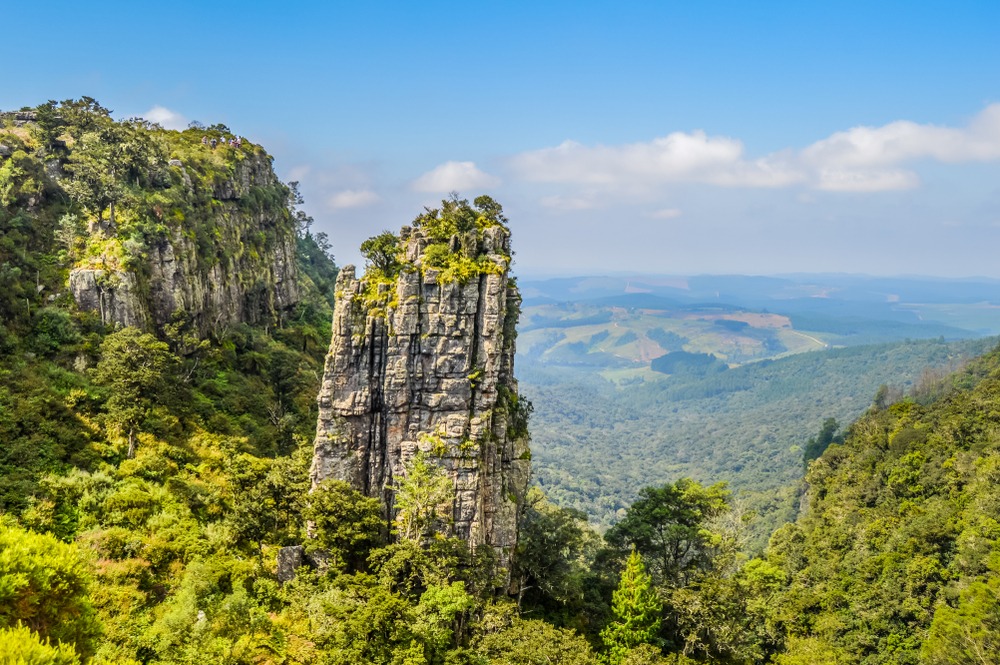
The reserve is home to hippopotamuses, crocodiles, zebras, wildebeest, impalas, warthogs and numerous antelope species. Birds are particularly abundant: over 300 species have been recorded, including the giant kingfisher and several raptors. Granite hills offer sweeping views across the Ezulwini Valley.
History and context
Ted Reilly inherited a degraded farm in the 1950s and set about restoring it by reintroducing local wildlife. Mlilwane became Eswatini's first protected area in 1964. Reilly went on to found Big Game Parks, the organization that today manages Mlilwane as well as Hlane and Mkhaya reserves. The sanctuary played a pioneering role in conservation across southern Africa.
Highlights of your visit
Hiking and biking without predators
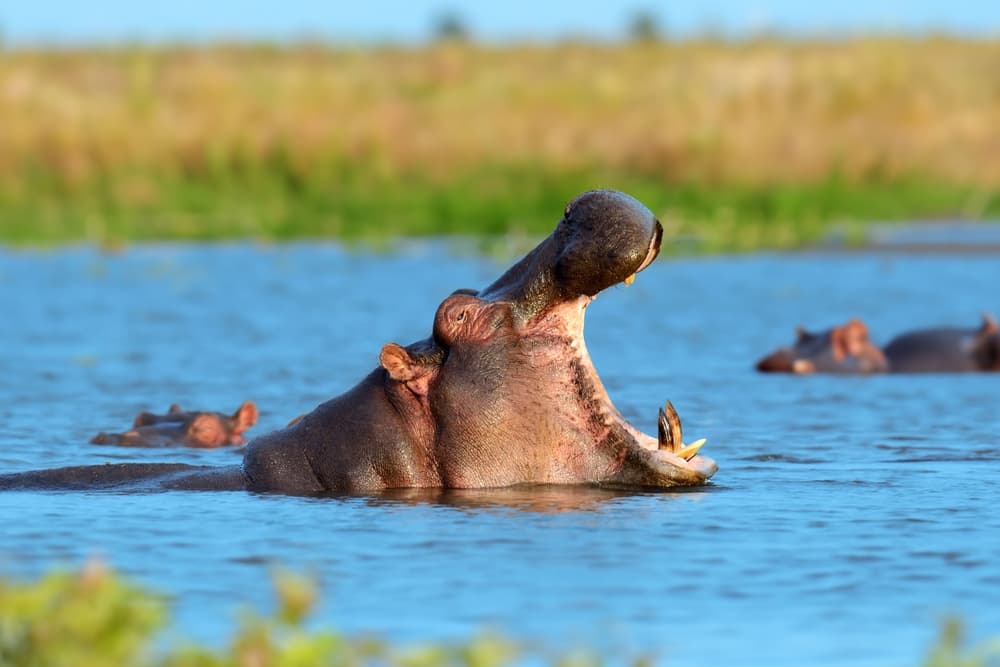
The absence of lions and leopards makes it safe to explore trails on foot or by bike. Hippos remain dangerous near waterholes: local guides point out areas to avoid. Several marked trails of varying lengths depart from the main camp.
Horseback riding through savanna
Horseback excursions let you approach zebras and antelopes within meters. The main camp offers guided rides for all levels, from beginners to experienced riders.
Hippo watching
The main camp's central dam supports a hippo population visible from the shoreline. Dawn and dusk are the best times to watch them emerge from the water.
Overnight in rustic camp
Mlilwane offers several lodging options: traditional Swazi huts, bungalows and camping sites. Staying overnight lets you hear hippos calling at night and join early morning outings before day visitors arrive.
Photography tips
Golden late-afternoon light is ideal for photographing zebras and antelopes in the grassy savanna. For hippos, position yourself with the sunrise on the dam's shoreline. A telephoto lens (200mm minimum) is useful for perched birds in the acacias.
Location and access
Mlilwane lies in the Ezulwini Valley in Eswatini (formerly Swaziland) — not in Afrique du Sud, despite geographic proximity. The main entrance is accessible from the MR103 road linking Mbabane to Manzini. From Johannesburg, allow roughly four hours driving via the Oshoek/Ngwenya border crossing. No direct public transport serves the reserve; a rental car remains the most practical option.
Nearby attractions
- Hlane Royal National Park — Eswatini's largest reserve, home to lions, elephants and white rhinoceros.
- Mkhaya Game Reserve — private reserve dedicated to black rhino conservation.
- Ezulwini Valley — cultural and craft heart of Eswatini, with markets and royal sites.
- Mantenga Cultural Village — traditional Swazi village recreating 19th-century architecture and dance.
Want to discover this destination?
Our local advisors design your tailor-made trip.