Lesedi Cultural Village
Lesedi Cultural Village
About an hour from Johannesburg, Lesedi Village brings together five South African communities (Xhosa, Zulu, Pedi, Ndebele, Sotho) on a site founded in 1995.
Approximately an hour's drive from Johannesburg, the Lesedi Cultural Village gathers five South African communities on a single site within the Magaliesberg mountain range. Founded in 1995, it offers visitors an insight into the living spaces, languages and culinary traditions of the Xhosa, Zulu, Pedi, Ndebele and Sotho peoples.
Why visit Lesedi Cultural Village
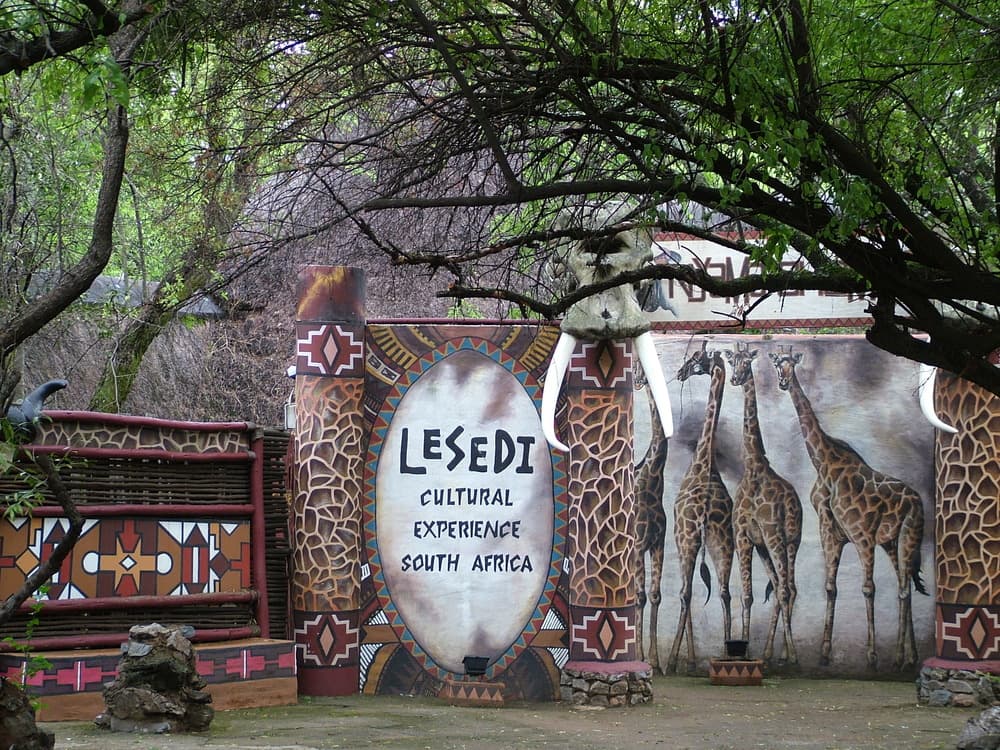
Lesedi stands out for its educational approach: each kraal (traditional enclosure) is inhabited by a family from a different ethnic group, who welcome visitors and share their culture. The name Lesedi comes from a Sesotho word meaning "light," reflecting the site's educational mission.
The village's main appeal lies in the cultural diversity it brings together in one location: the mud-brick architecture of the Ndebele with their painted facades, conical Zulu huts, beehive-shaped dwellings. It's a worthwhile addition to a stay in Johannesburg or Pretoria, particularly with children or as a first introduction to South African cultures before heading to the northern parks.
History and concept
The village was created in 1995, in the wake of apartheid's end, with the goal of presenting the country's cultural diversity on a single site. Five families from five different groups settled in kraals reconstructed according to each ethnic group's architectural traditions.
The five communities represented are:
- The Zulu, originating from KwaZulu-Natal, known for their beehive-shaped huts.
- The Xhosa, people of the Eastern Cape whose language is among the world's click languages.
- The Pedi (or Bapedi), settled in the northeast of the country.
- The Sotho, whose culture extends into neighbouring Lesotho.
- The Ndebele, recognizable by the colourful geometric murals adorning their homes.
What to see and do on site
The visit typically begins with a multimedia presentation tracing the origins of Southern Africa's indigenous peoples. The tour continues through each of the five kraals, where a community member presents the architecture, traditional tools, clothing and daily life.
Dances and songs form a highlight of the visit. The boma dance, offered in the evening, brings all five communities together around a single performance rhythmed by drums.
At the table, the Nyama Choma restaurant serves a buffet dinner of South African specialities:
- Potjiekos: slow-cooked stew in cast-iron pot over wood fire.
- Malva pudding: traditional Afrikaner dessert made with apricot.
- Game dishes: crocodile stew, warthog grillades.
- Fried mopane worms, a protein-rich snack consumed across Southern Africa.
- Mamba, a local fruity drink.
A craft shop offers weavings, basketry and decorative items made on-site or by the communities themselves.
Practical information
Two guided tour slots are generally available during the day, one late morning and one mid-afternoon. Allow approximately three hours for the full tour. As precise opening hours may vary by season, it's best to confirm with the site before your visit.
Accommodation with host families is available in traditional huts for visitors wishing to extend their experience overnight. The dining hall can accommodate large groups, making the site suitable for families and organized tours alike.
When to go
The village is open year-round. The high tourism season in the Johannesburg region runs from October to March, the warmest and busiest period. For a quieter visit and milder temperatures, April, May and September offer a good compromise. Southern hemisphere winter (June-August) remains pleasant during the day but cool in the evening, worth considering if you plan to attend the evening show.
How to get there
The village is located in the Magaliesberg, approximately 60 km from Johannesburg's city centre, about ten kilometres from Lanseria airport, and also accessible from Pretoria or Sandton in less than an hour's drive. The entrance is located on the R512 road, the route leading to Sun City.
A car (rental or private transfer) remains the most practical option. No public transport serves the site directly, and most visitors combine Lesedi with another regional stop on the same day.
What to combine nearby
Lesedi's location allows you to pair it with several points of interest:
- The Cradle of Humankind, a UNESCO-listed site for its hominin fossils.
- The Lion & Safari Park, for a half-day of wildlife viewing.
- The Pilanesberg National Park, accessible further north for a Big Five safari.
- Sun City, leisure complex at the end of the R512.
To extend your South African discovery, safari enthusiasts can head to the Sabi Sand Game Reserve, while those heading to the coast might explore the Cape Peninsula or Franschhoek Wine Valley.
Planning your visit
Lesedi Cultural Village fits easily into an itinerary around Johannesburg and Pretoria. To build an itinerary combining culture, history and safari, explore our tailor-made South African tours with Nomadays.
Interested in this visit?
We can include it in your personalised itinerary.