Cape Peninsula
Cape Peninsula
Stretching 52 km south of Cape Town, the peninsula combines fynbos, beaches, African penguins at Boulders and the tip of the continent at Cape Point. Practical guide for a day excursion.
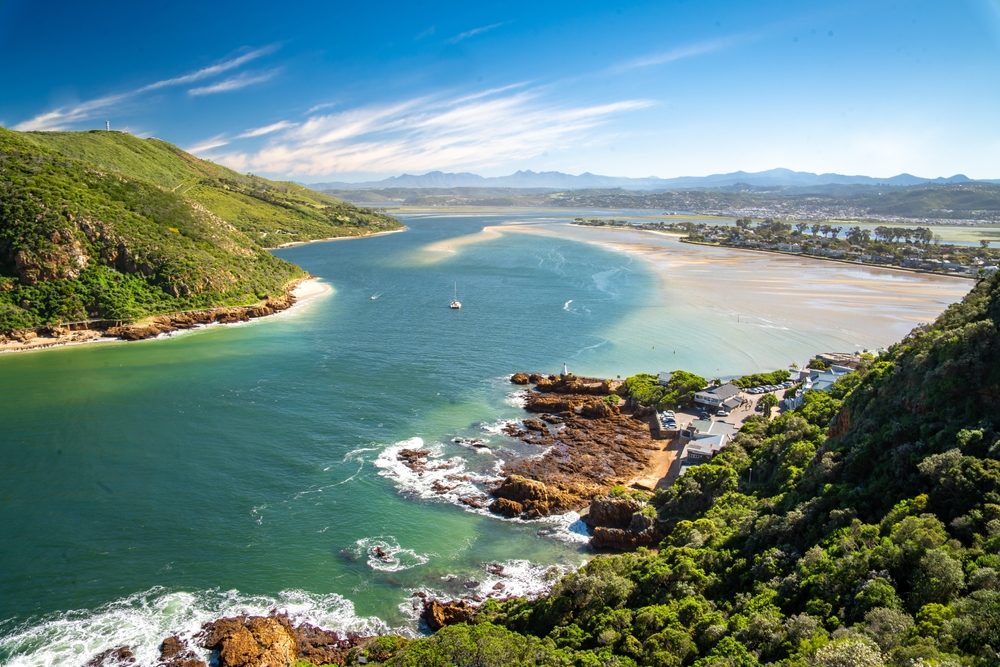
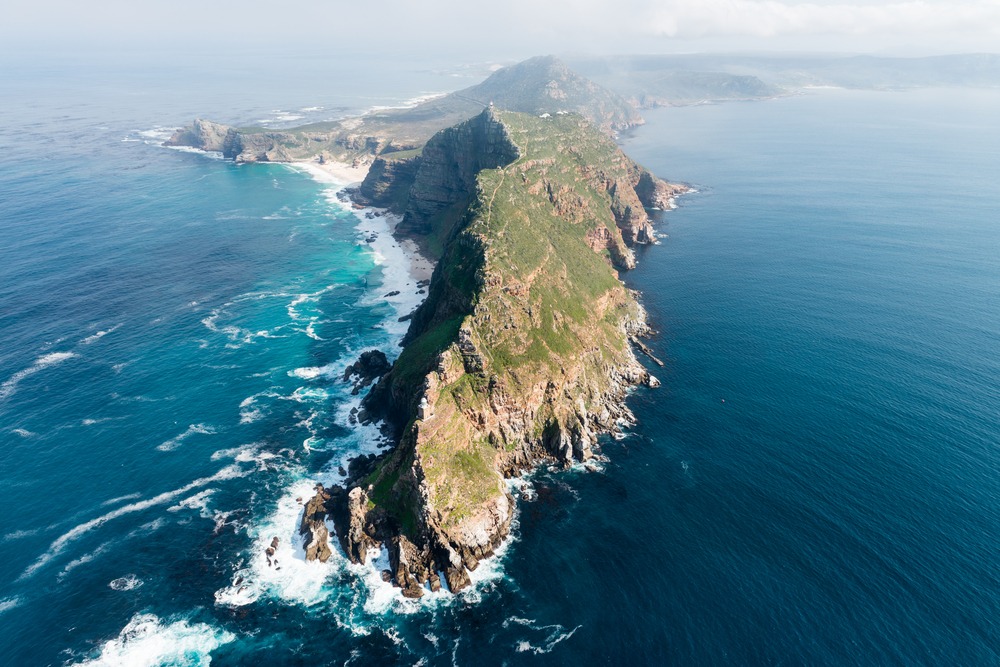
The Cape Peninsula extends nearly 52 km along the southwestern tip of the African continent, from Mouille Point in the north (a suburb of Cape Town) to Cape Point in the south. It is bordered to the west by the Atlantic Coast and to the east by False Bay Coast. This strip of land concentrates contrasting landscapes: sandstone hills, indigenous forests, beaches, coastal villages, and a plant biodiversity classified as a UNESCO World Heritage site.
Why visit Cape Peninsula
The peninsula combines in a single day's excursion several interests rarely brought together: an internationally renowned national botanical garden, a nature reserve at the continent's tip, colonies of African penguins accessible on foot, and one of Southern Africa's most famous panoramic routes, Chapman's Peak Drive. Botanically speaking, the Table Mountain range shelters more than 2,200 plant species within a restricted perimeter, making it one of the biodiversity hotspots of the Cape floral region.
What to see and do on the peninsula
Kirstenbosch Botanical Garden
Nestled on the eastern slope of Table Mountain, the Kirstenbosch National Botanical Garden was founded in 1913 and is part of the protected areas of the Cape floral region classified by UNESCO. It showcases a living collection of fynbos and proteas. Allow 2 to 3 hours to tour it.
Muizenberg and False Bay Coast
The Muizenberg beach, on the eastern coast, is known for its colorful beach huts and its surf school for beginners. The waters of False Bay are warmer than those of the Atlantic but remain cool depending on the season. The bay is also a vantage point for observing southern right whales between June and November.
Boulders Beach and African penguins
At Simon's Town, Boulders beach is home to a colony of African penguins, a species classified as endangered on the IUCN Red List. Wooden boardwalks allow you to observe them without disturbing the colony. Access is through Table Mountain National Park.
Cape Point and the Cape of Good Hope
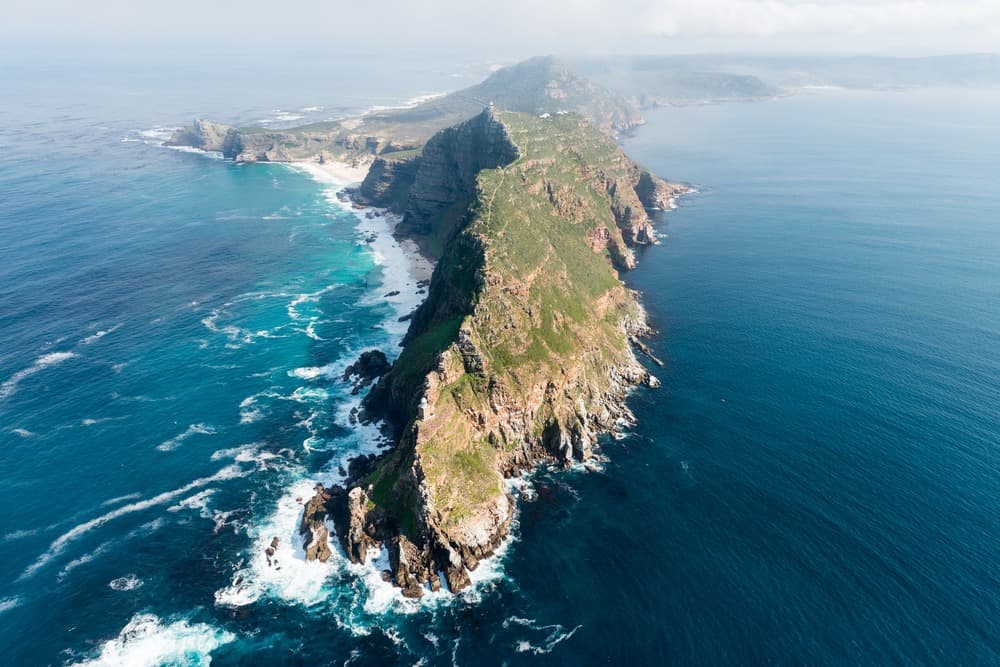
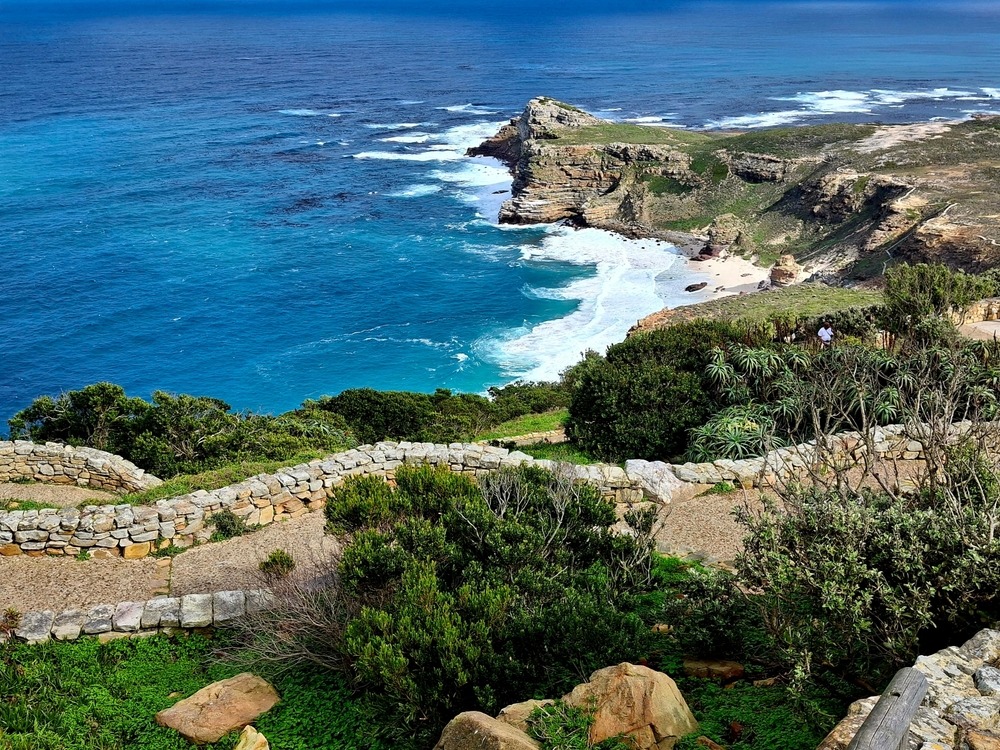
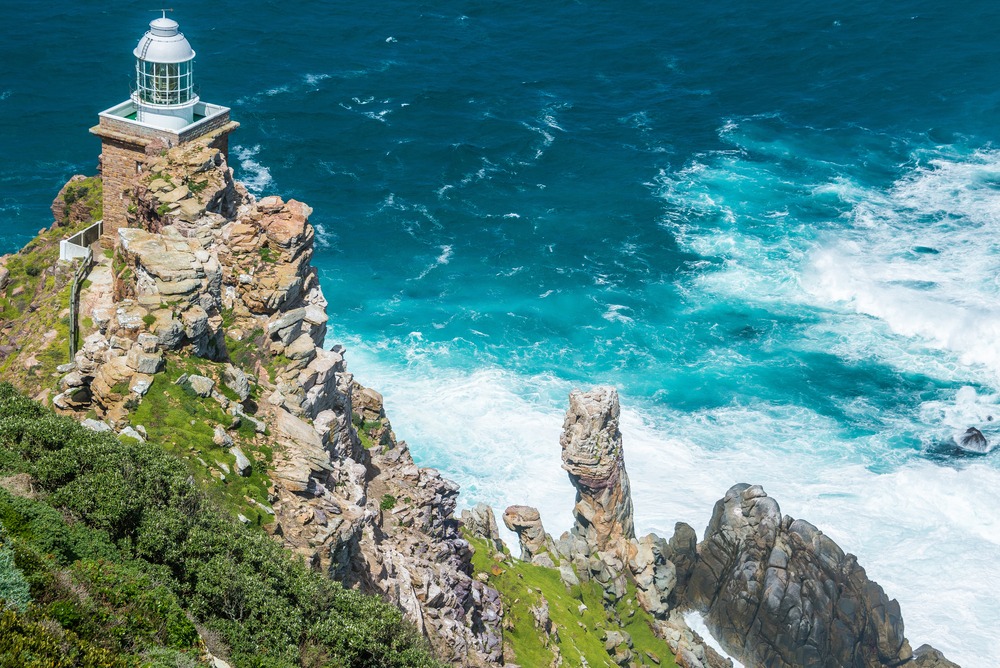
The Cape Point Nature Reserve closes the peninsula in the south with its cliffs, isolated beaches and sparse vegetation. A funicular railway serves the historic lighthouse at Cape Point, also accessible on foot. The Cape of Good Hope is visited within the same reserve.
Camps Bay, Clifton and the Atlantic Coast
On the return to Cape Town, the Atlantic coast features successive white sand beaches at Clifton (four sheltered coves) and Camps Bay, nestled beneath the Twelve Apostles. The sunset between Camps Bay and Clifton is one of the classic meeting points for the end of the day.
Flora and fauna to observe
Vegetation is dominated by fynbos in several forms: sandstone fynbos, granite fynbos, peninsula shale, afromontane forest and Cape Flats Sand fynbos on the low sandy plains. The indigenous forests of Rondebosch, Klaassenbosch and Kirstenbosch cling to the slopes of Devil's Peak, Table Mountain and the Back Table. Pines were planted in the 1900s and several invasive species are now present (black acacia, Port Jackson, blackwood).
On the fauna side, the peninsula is home to the dassie (rock hyrax), whose decline observed between 2000 and 2004 led to that of the Verreaux's eagle, which preyed on it primarily. On Table Mountain, you'll encounter porcupines, tortoises, snakes, mongooses and lizards, as well as the Table Mountain ghost frog, an endemic species. Birds of prey include the jackal buzzard, African goshawk, booted eagle and peregrine falcon.
When to visit
The peninsula can be visited year-round, with seasonal variations:
- October to March (southern summer): long days, clear skies, ideal for hiking and swimming. The southeast wind, nicknamed the "Cape Doctor", can blow strongly on Table Mountain.
- August to October: peak fynbos flowering.
- June to November: observation of southern right whales in False Bay.
- May to August (southern winter): more changeable skies, but interesting light and fewer visitors.
How to get there
The logical starting point is Cape Town. The main routes are:
- The M3 and M4 to reach Muizenberg, Simon's Town and Cape Point via False Bay.
- The M6 and Chapman's Peak Drive for the return via the Atlantic coast through Hout Bay, Llandudno, Camps Bay and Clifton.
A rental car remains the most flexible way to combine stops. Guided day excursions are also available from Cape Town.
Practical information
- Recommended duration: a full day minimum, two days if you wish to hike on Table Mountain or overnight in Simon's Town.
- Fees: paid entry to Kirstenbosch, Boulders Beach and Cape Point Reserve (moderate fee, higher for non-residents). Chapman's Peak Drive is a modest toll road.
- Equipment: windbreaker, water, hiking shoes, sun protection. Weather changes quickly at the coast.
- Swimming: possible at Muizenberg, Boulders and Clifton, with caution (currents, cold water on the Atlantic side).
What to combine nearby
The peninsula is part of a stay around Cape Town. You can extend with the Bo-Kaap district, the Zeitz Museum of Contemporary Art Africa at the V&A Waterfront, or a day of wine tasting in the Franschhoek Wine Valley. For major African wildlife, plan an internal flight to the Sabi Sand Game Reserve.
Frequently asked questions
Frequently asked questions
A full day from Cape Town allows you to visit Kirstenbosch, Muizenberg, Boulders and Cape Point. Plan two days if you wish to add Table Mountain and a meal in Simon's Town or Hout Bay.
The most common circuit heads east via False Bay (Muizenberg, Boulders, Cape Point) in the morning, then returns to Cape Town via Chapman's Peak Drive and the Atlantic coast in late afternoon to enjoy the sunset between Camps Bay and Clifton.
Yes, but the water remains cool. False Bay (Muizenberg) is warmer than the Atlantic coast (Clifton, Camps Bay), where the temperature can drop significantly even in summer.
It's the most practical option to manage stops at your own pace. Otherwise, guided day excursions depart daily from Cape Town.
Southern right whales frequent False Bay from June to November. Fynbos offers its most visible flowering between August and October.
Plan your trip
Cape Peninsula is one of the structuring stages of a stay in South Africa. To integrate it into a tailor-made itinerary combining Cape Town, the Winelands and wildlife reserves, consult our South Africa trips.
Nearby
Interested in this visit?
We can include it in your personalised itinerary.