Table Mountain
Table Mountain
A 3 km plateau peaking at 1,086 m above Cape Town: trails, cable car, fynbos and sweeping views over the bay and Robben Island.
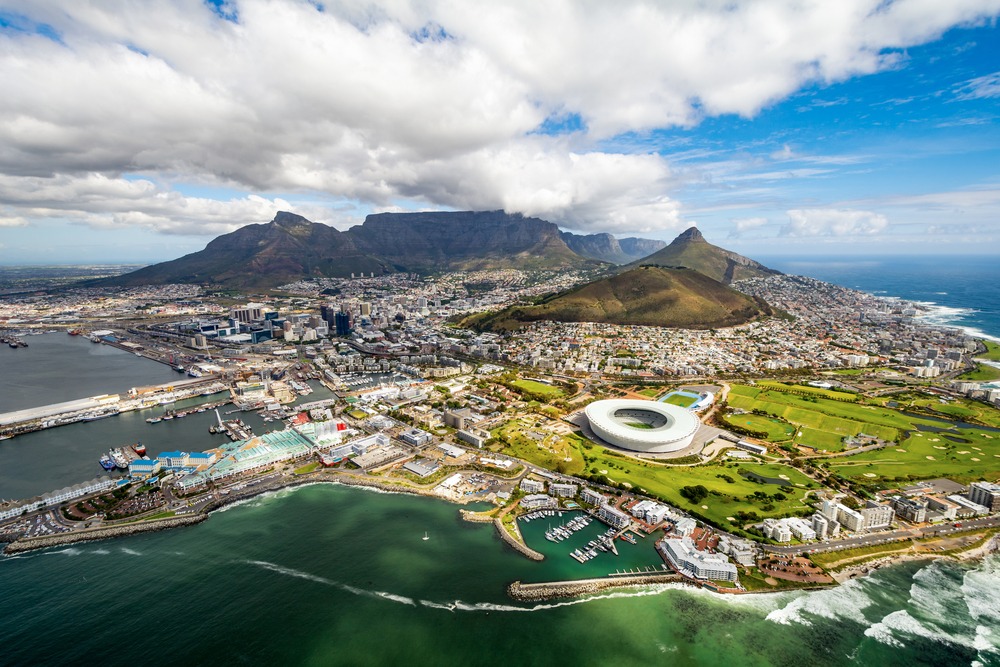
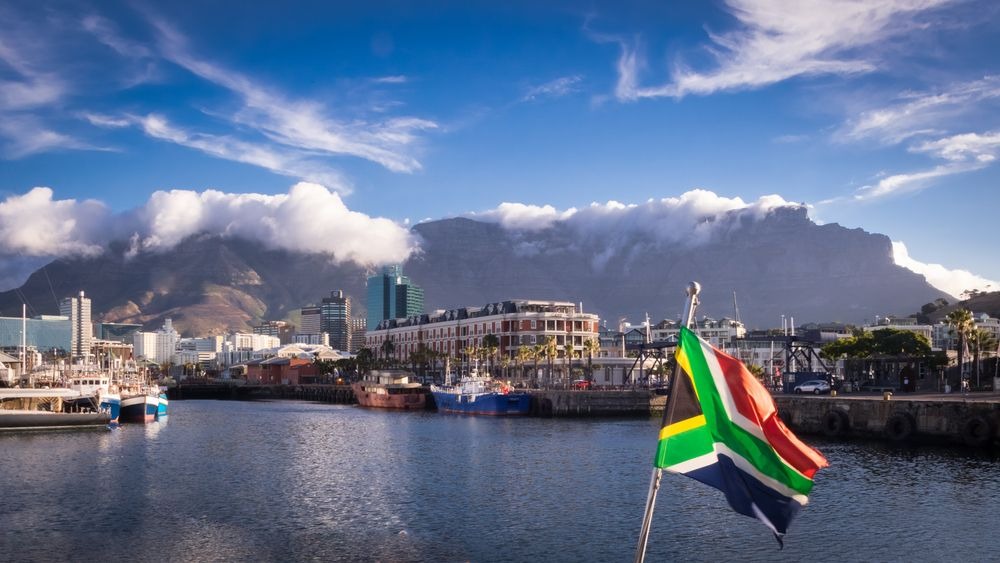
Unmistakable by its flat summit stretching 3 kilometres, Table Mountain forms the immediate backdrop to Cape Town. Rising to 1,086 metres above sea level, it is the centrepiece of a national park ranked among the seven natural wonders of the modern world, accessible on foot via several trails or by rotating cable car from the base of the northern slope.
Why visit Table Mountain
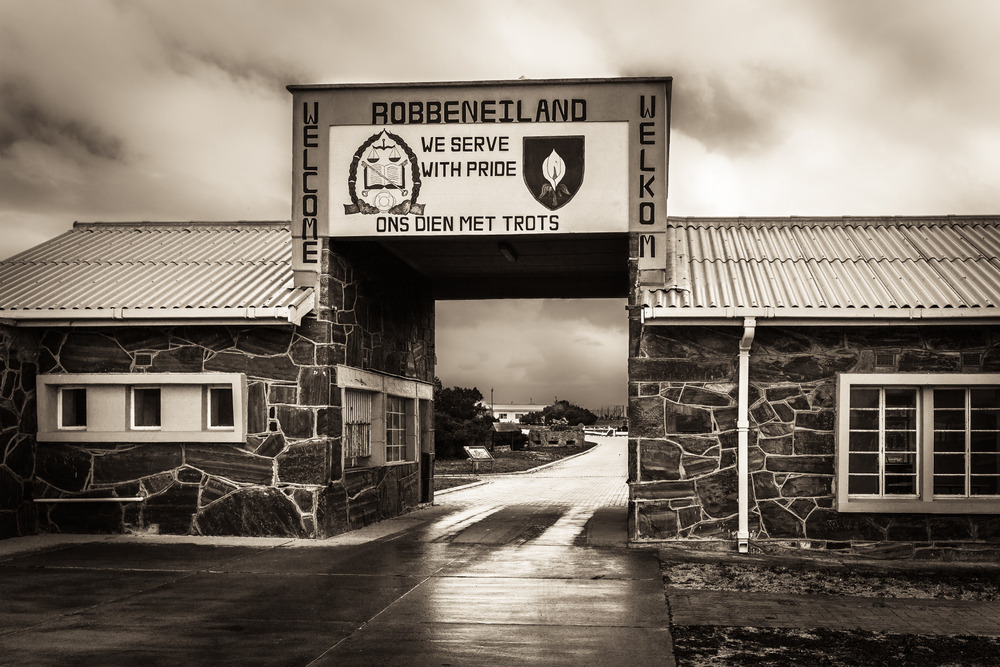
The site brings together three interests rarely combined on a single peak: a 360° urban and oceanic panorama, exceptional plant biodiversity and a network of marked trails covering all ability levels. From the summit, views sweep across Table Bay, the Cape Peninsula and, on clear days, across to Robben Island offshore.
The protected zone is home to more than 1,400 species of flowering plants. This botanical density, combined with nesting raptors (peregrine falcon, harrier, booted eagle, buzzard), explains the national park status awarded in 1998 and the massif's place among southern Africa's most studied natural sites.
History and geology
The mountain belongs to a quartzitic sandstone chain that emerged roughly 500 million years ago, extending south to the Cape of Good Hope. The 3-kilometre summit plateau is no optical illusion but the result of differential erosion that flattened the upper layers.
The first documented European ascent dates to 1503. Portuguese captain Antonio de Saldanha then used Platteklip Gorge, a natural fault offering passage through the northern cliffs. This same corridor remains one of the most frequented routes today.
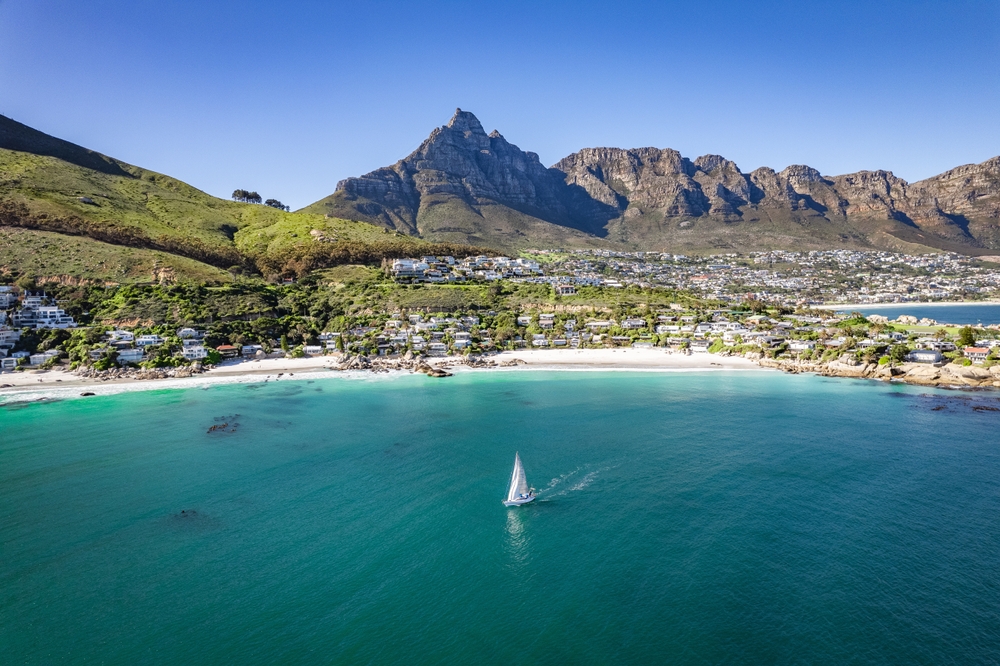
Around the main summit spreads a cluster of neighbouring peaks: Devil's Peak to the east with the Erica and Fernwood foothills, the Back Table to the south, and to the west Lion's Head followed by the Twelve Apostles, a series of rocky pinnacles overlooking the coastal facade of Hout Bay.
What to see and do
Ascend by rotating cable car
The cabin, holding 65 passengers, connects the lower station to the summit plateau in around 6 minutes. The floor rotates during the ascent, allowing each passenger to enjoy the panorama. Service is suspended in strong winds or low cloud cover, conditions common on this exposed relief.
Hiking trails
- Platteklip Gorge: 3 km, 1 to 3 hours depending on pace. Direct trail on the northern slope, steep and sun-exposed.
- Skeleton Gorge: 4 to 4.5 hours from Kirstenbosch Botanical Gardens. Tree-lined route, shadier, with ladder sections.
- Nursery Ravine: another Kirstenbosch departure, steady consistent gradient, interesting for its flora.
- Kasteelspoort: western trail passing the Twelve Apostles, with views over Camps Bay and the Atlantic.
Observe flora and fauna
The dominant vegetation is fynbos, a shrubby formation endemic to the Cape region, comparable in appearance to Mediterranean scrubland. You'll find proteaceae, geraniums, gladiolus, heaths, rutaceae and euphorbias, with a high proportion of endemic species. Among raptors, peregrine falcon and booted eagle can be spotted in flight above the cliffs.
Practical information
The summit houses a shop and refreshment point. Bring a windproof jacket even in summer: temperature differences between base and summit are marked, and wind can be strong. Cable car fares vary by direction (one-way or return) with half-price for children; online booking avoids queues, particularly long in peak season.
Allow 1 to 2 hours at the top if you take the cable car up, a half-day to full day for a round-trip on foot.
When to visit
November to February corresponds to southern hemisphere summer, with long days and generally clear skies. Trails are dry and the cable car operates on extended schedules. The downside is crowds and heat on exposed slopes, notably Platteklip Gorge. Autumn (March-May) offers a good compromise: milder temperatures, fynbos partially in bloom, fewer visitors. Winter (June-August) remains feasible but cable car closures due to wind or low cloud are frequent.
How to get there
Several options from central Cape Town:
- MyCiTi bus: departure from the Civic Centre on Hertzog Boulevard, alighting at Kloof Nek (intersection of routes 106 and 107). A free shuttle then links to the cable car's lower station, about 1.5 km further.
- Red City Sightseeing buses: stop at the cable car base, departures around every 20 minutes, practical for combining the site with other city attractions.
- Car or ride-hailing: Uber and Bolt work well in Cape Town with metered fares. The lower station car park is limited and fills quickly at midday.
Nearby attractions
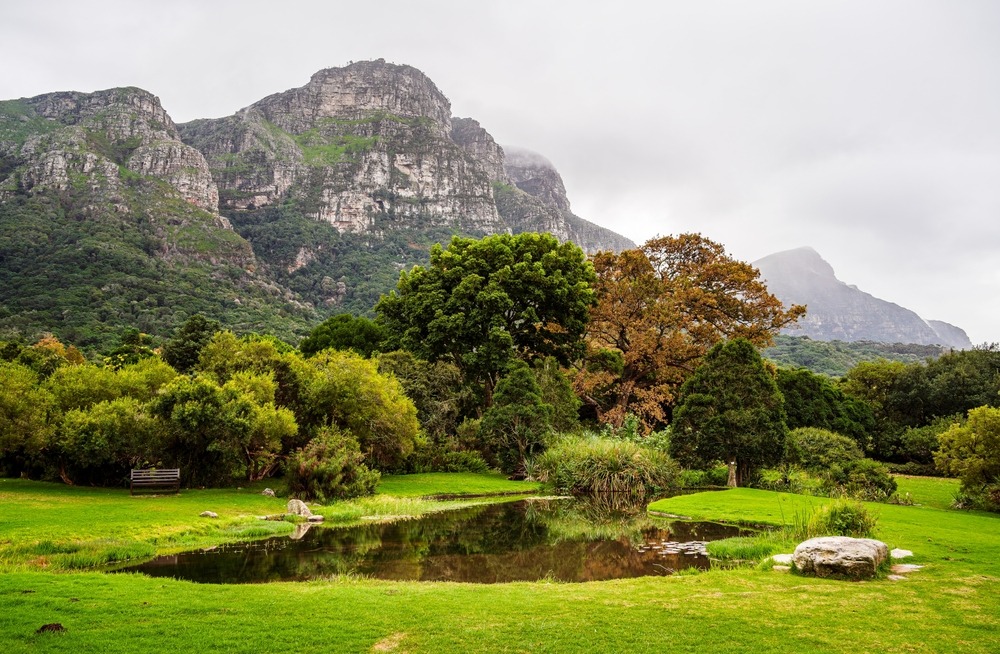
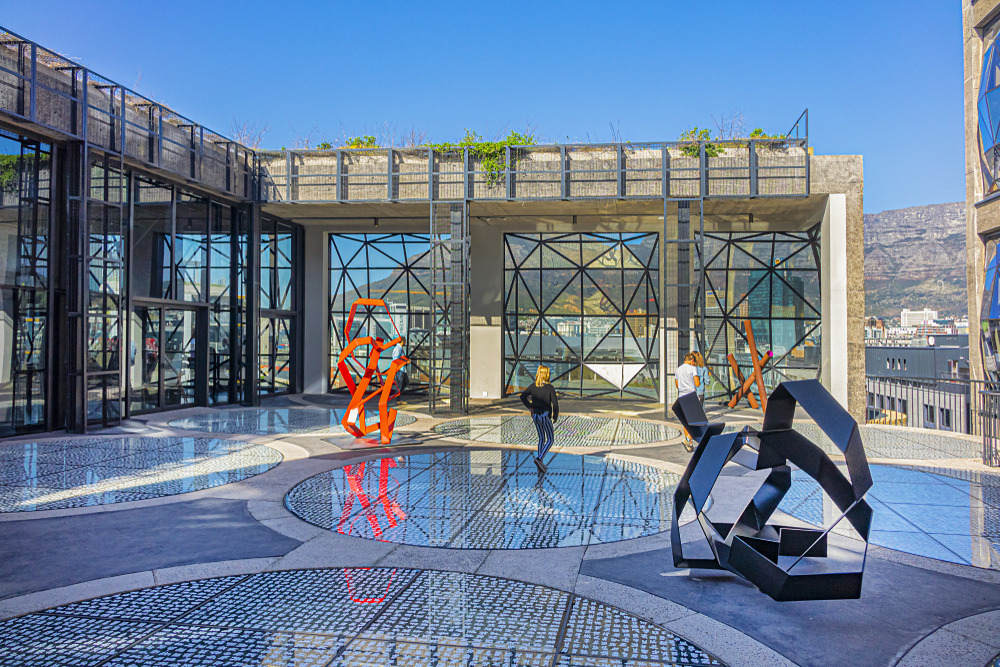
The area has several complementary sites accessible in a single day: the national Kirstenbosch Botanical Gardens (starting point for two trails), Cecilia Park, Newlands Forest and Camps Bay beach. To extend your Cape Peninsula exploration, Cape Point and the Cape of Good Hope can be visited in a day trip. For culture, the Zeitz Museum of Contemporary Art Africa and South African Parliament complement an urban stay.
Frequently asked questions
Frequently asked questions
Via Platteklip Gorge (the most direct route), allow 1 to 3 hours of ascent depending on fitness level, over 3 kilometres with significant elevation gain. Trails from Kirstenbosch (Skeleton Gorge, Nursery Ravine) take 4 to 4.5 hours.
Yes, except during annual maintenance (usually in southern hemisphere winter). It may be suspended for several consecutive days in strong winds or when cloud covers the summit. Check the service status the morning of your visit.
Not compulsory but strongly advised in peak season (November to February) to avoid queues that can exceed an hour at the lower station.
The ascent trails feature elevation and exposed sections, little suited to young children. For a family visit, prefer the cable car ride up followed by marked walks on the summit plateau.
Panoramic views over Table Bay, Cape Town's centre, Robben Island offshore, Lion's Head and the Twelve Apostles. On clear days, the Cape Peninsula stretches away to the south.
Plan your trip
Table Mountain integrates naturally into a circuit around Cape Town and the peninsula. To build a comprehensive South African itinerary combining coastal cities, wine regions, national parks and safaris, explore our South Africa trips.
Nearby
Interested in this visit?
We can include it in your personalised itinerary.