Kirstenbosch Botanic Garden
Kirstenbosch Botanic Garden
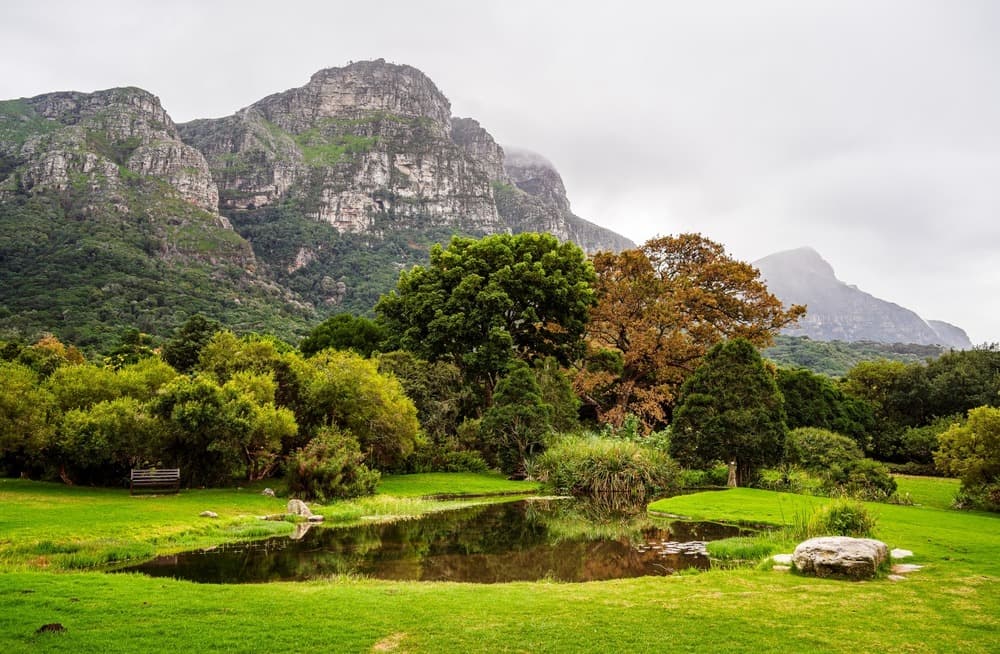
Nestled against Table Mountain, Kirstenbosch Botanic Garden showcases South Africa's indigenous flora on a UNESCO-listed Cape Floral Region site.
On the eastern slopes of Table Mountain, 13 km from Cape Town's city center, Kirstenbosch Botanic Garden brings together thousands of South African plant species on a site nestled against the mountain. Founded in 1913, it is now part of the UNESCO-listed Cape Floral Region, recognized as a World Heritage site since 2004 for its exceptionally rich endemic flora.
Why visit Kirstenbosch
Kirstenbosch is one of the world's few botanical gardens dedicated exclusively to a country's indigenous flora. Its collection spans most of South Africa's major ecosystems, from Cape fynbos to Karoo succulents. The setting, cradled against Table Mountain's eastern slopes, adds a landscape dimension that few botanical gardens can offer: woodland trails, views over the bay, and an aerial walkway above the canopy (Boomslang).
For travelers passing through Cape Town, a visit combines scientific interest, outdoor exploration, and accessibility (public transport, free parking, adapted trails). Plan for 2 to 4 hours depending on your pace, or longer if you venture into hikes toward Skeleton Gorge or Nursery Ravine.
Garden history
"Kirstenbosch" literally means "Kirsten's forest," named after families who once lived on these lands. Until the late 19th century, the site was dedicated to agriculture. The botanical garden project emerged in the early 20th century under the direction of Professor Pearson, holder of the new botany chair at the University of Cape Town, and his collaborator Neville Pillans.
Development work began in 1903. The site was officially designated as a national botanical garden in 1913, becoming the world's first devoted to a country's indigenous flora. Over the decades, thematic zones were added and the mission expanded to encompass conservation, research, and education.
What to see in the garden
The garden is organized by thematic zones, connected by a network of paved and dirt trails. Main sections include:
- The Gondwana Garden: assembles ancestral plants (cycads, tree ferns) from lineages over 200 million years old, descendants of the Gondwana supercontinent's flora.
- The Medicinal Plants Garden: species used by South African traditional healers, accompanied by explanatory panels on their therapeutic uses.
- The Fragrance Garden: aromatic flowers grouped along a trail equipped with Braille signage, designed for visually impaired visitors.
- Protea Collection: iconic family of Cape flora, including the royal protea (Protea cynaroides), South Africa's national flower.
- Annuals, sculptures, and local flora: complementary sections that change throughout the seasons.
- Boomslang: an aerial metal walkway offering sweeping views down through the trees and canopy.
Several waterfalls and water features punctuate the trails. The garden also serves as a starting point for more demanding hikes toward Table Mountain's summit.
Practical information
- Duration: 2 to 4 hours for a standard visit, a half-day to explore all sections.
- Admission: paid entry, moderate price, with reduced rates for children and students. Verify current conditions before your visit.
- Hours: open daily, with extended hours in summer versus winter.
- Accessibility: most main trails are accessible for strollers and people with reduced mobility. The Braille trail in the Fragrance Garden is adapted for visually impaired visitors.
- On-site: café-restaurant, shop, visitor center at Gate 1.
When to visit
Cape Town has a Mediterranean climate. Summer, from November to March, is long, hot, and dry, with temperatures reaching up to 25°C. Winter, from June to August, is wetter and sometimes windy, but nighttime temperatures rarely drop below 8°C.
Southern hemisphere spring (September to November) is the best season: most species are in bloom, and proteas and fynbos reach their peak. Summer remains pleasant for walks, while winter offers a quieter garden and dramatic landscapes under showers.
How to get there
By car
From Cape Town's city center, allow about 20 minutes via De Waal Drive (M3) toward Muizenberg, then Rhodes Drive (M63) at the intersection. Follow signage to Kirstenbosch thereafter. Free parking is available at Gates 1, 2, and 3.
By public transport
The City Sightseeing Hop On Hop Off tourist bus serves Kirstenbosch as part of its peninsula circuit, with multiple daily departures. The stop is located at the visitor center (Gate 1), to the left of the main entrance.
Golden Arrow operates public bus service from Mowbray station or the Golden Acre terminus (near Cape Town station), on weekdays. The stop is beneath the large fig tree at the entrance gate. Since departures are infrequent, plan to arrive early.
Nearby attractions
Kirstenbosch fits naturally into a few days around Cape Town:
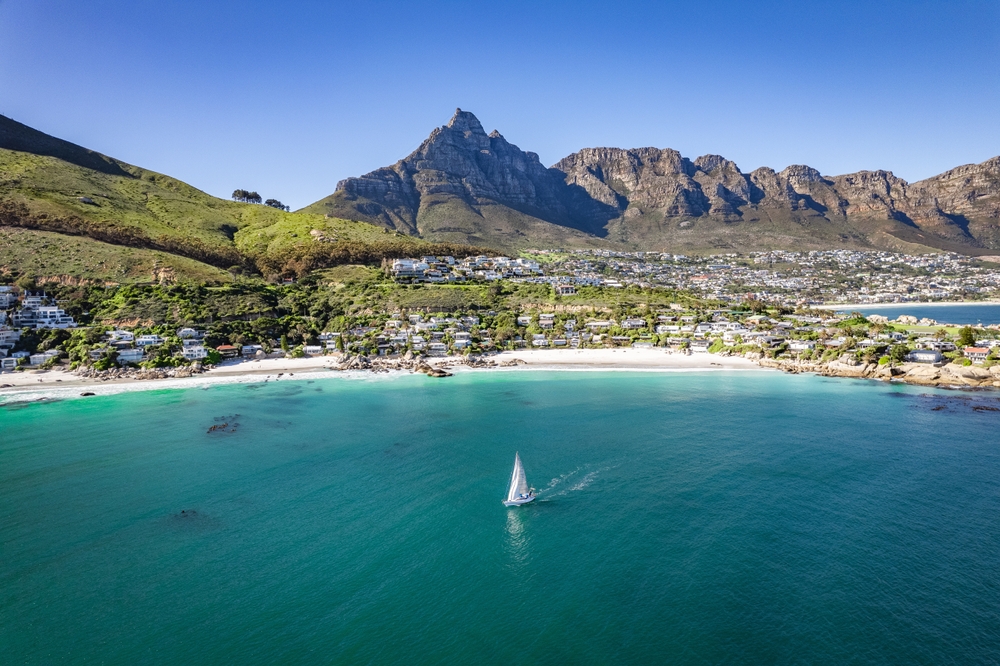
- The Cape Peninsula, to continue toward Cape Point, Boulders Beach, and Chapman's Peak Drive.
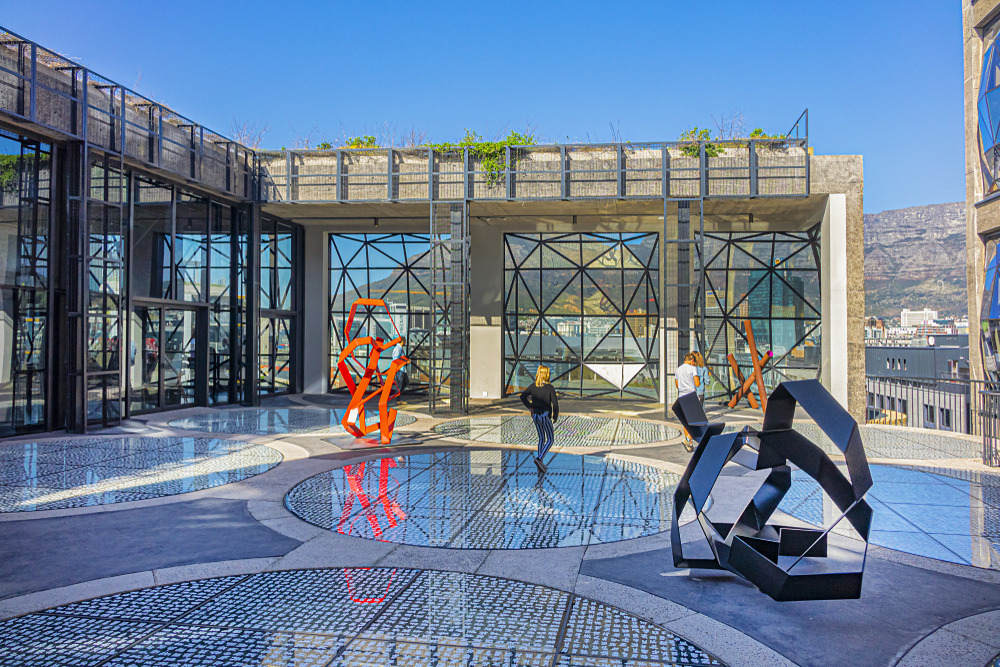
- The Zeitz Museum of Contemporary Art Africa, on the V&A Waterfront, for contemporary African art.
- Parliament of the Cape, in the historic center, to understand the country's political history.
Frequently asked questions
Frequently asked questions
Plan for 2 to 4 hours to visit the main thematic zones. A half-day is needed if you want to explore all sections, walk the Boomslang walkway, and enjoy the café.
Southern hemisphere spring, from September to November, when most species are in bloom. The garden remains interesting year-round, with each season revealing different flowers.
Yes, main trails are paved and accessible. A Braille trail has also been created in the Fragrance Garden for visually impaired visitors.
Yes, several hiking trails depart from the garden, notably Skeleton Gorge and Nursery Ravine. These routes are demanding and require good fitness and proper preparation (water, weather check).
Yes, a café and restaurant are located near the visitor center. You may also picnic freely on the garden's lawns.
Integrating Kirstenbosch into your trip
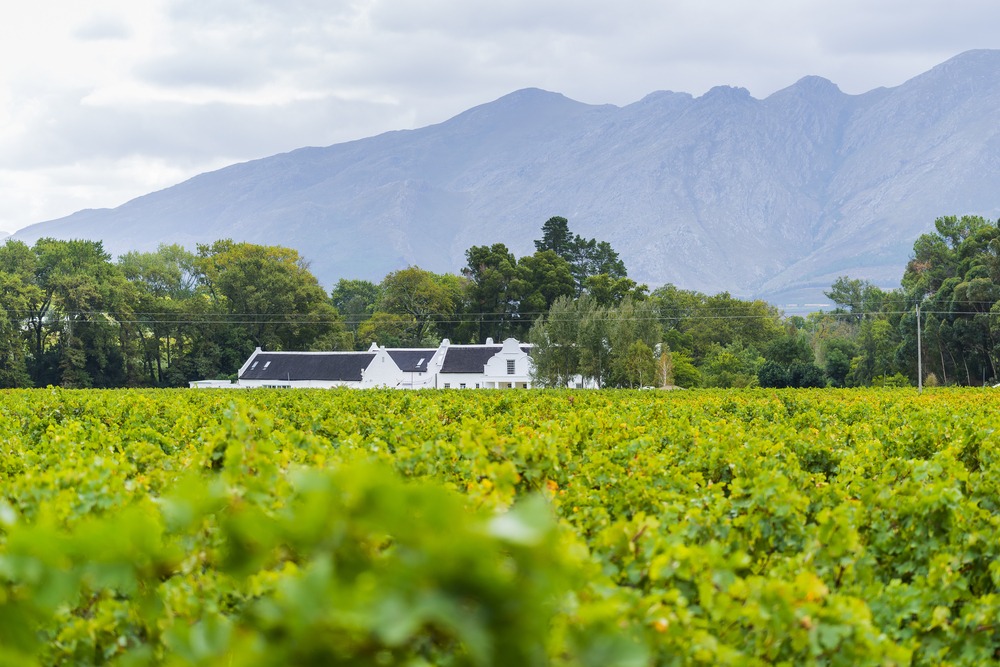
Kirstenbosch fits naturally into a Cape Town stay, combining with Table Mountain, the peninsula, and vineyards in Stellenbosch or Constantia. To build a custom itinerary in South Africa, explore our South Africa trips.
Nearby
Interested in this visit?
We can include it in your personalised itinerary.