Melville Koppies Nature Reserve
Melville Koppies Nature Reserve
In the heart of Johannesburg, the Melville koppies preserve a fragment of highveld bushveld, precolonial archaeological remains, and unexpected vistas across the city's skyline.
Perched on the rocky hills of Melville, a Johannesburg neighbourhood, Melville Koppies Nature Reserve is a preserved bushveld space in the heart of the city. These koppies — an Afrikaans term for small granite hills — shelter rare indigenous flora, archaeological remains, and discreet wildlife. A quiet, green counterpoint to the urban frenzy of Joburg.
Quick reference
- Access: the reserve is divided into two sections; the central section (Central Melville Koppies) is accessible only by organized guided tour.
- Attire: hiking shoes recommended; terrain is rocky and uneven.
- Suggested duration: 1.5 to 2 hours for a full guided tour.
- Pets: not permitted in the reserve.
What to see
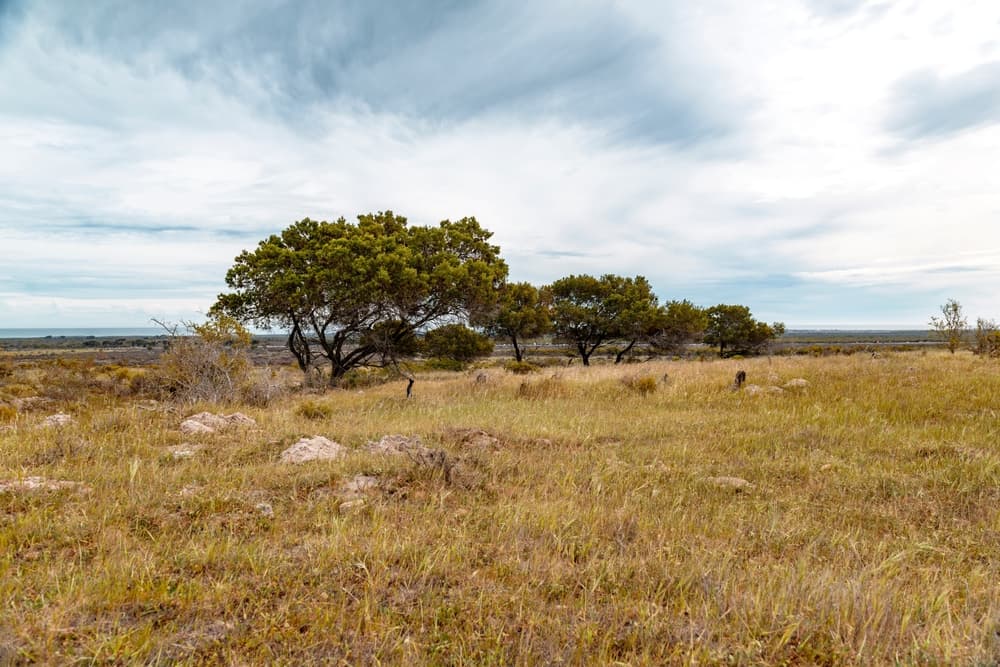
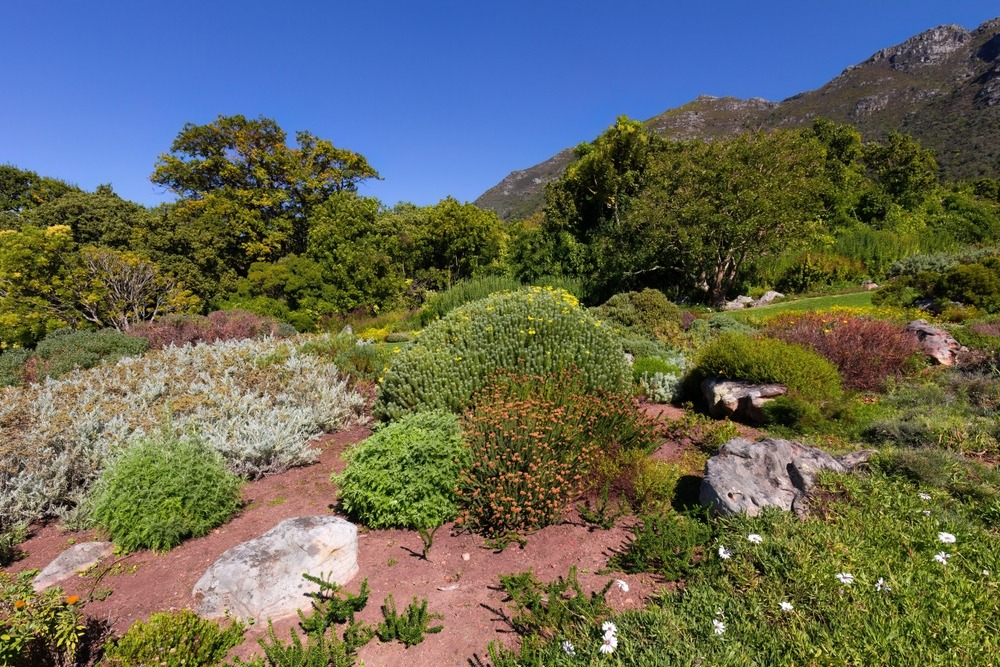
The reserve spans several hectares of highveld bushveld typical of the Gauteng region. You'll find aloes, proteas, and indigenous grasses that persist despite surrounding urbanization. Reptiles, mongooses, and numerous bird species frequent the site. The granite outcrops offer clear views across Johannesburg's rooftops.
History and context
The Melville koppies have been occupied for millennia. Excavations have uncovered Iron Age remains, notably metal-smelting furnaces dating back several centuries. These traces testify to significant precolonial metallurgical activity in the region. The reserve was created to protect both this archaeological heritage and the indigenous vegetation threatened by urban expansion.
Highlights of the visit
Archaeological remains
Local guides point out the locations of smelting furnaces and stone tools along the route. These sites are fragile: no objects should be moved or touched. The oral context provided by guides is essential to understanding the site's significance.
Indigenous highveld flora
The reserve's vegetation is representative of bushveld in South Africa's interior. Several aloe species flower in winter (June–August), attracting sunbirds and other nectar-feeding birds. A striking contrast to the exotic gardens that dominate the rest of Johannesburg.
Panoramic views of Joburg
From the high points of the koppies, views encompass a broad section of Johannesburg's skyline. The horizon is dotted with flowering jacarandas in spring (October–November), offering a characteristic photographic backdrop for the city.
Photography tips
Morning light is ideal for photographing flora and avoiding backlighting on the rocks. Urban panoramas are sharpest late morning, before heat haze sets in. Avoid using flash near sensitive archaeological areas.
Location and access
The reserve is located in Melville, a residential neighbourhood west of Johannesburg's city centre. Driving is the most practical access from the city centre; parking is available near the entrance. Melville neighbourhood, lively and bohemian, is easily explored on foot after visiting the reserve. Public transport serves the area via Rea Vaya bus lines, but the walk from stops can be lengthy.
Nearby attractions
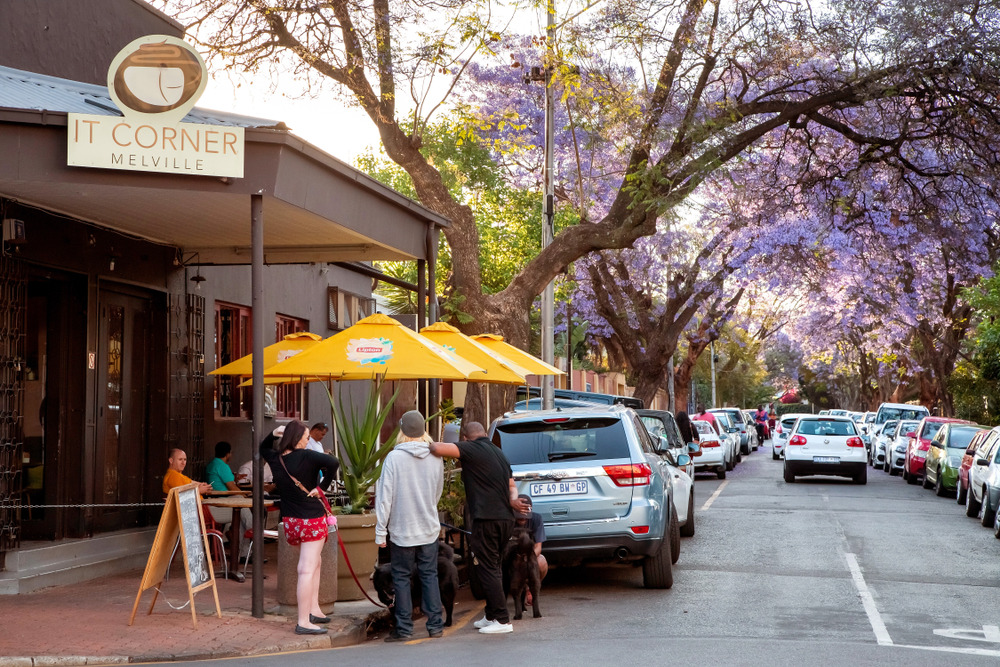
- Melville neighbourhood — independent cafés, galleries, and bookshops a short walk from the reserve.
- Apartheid Museum — chronicles the history of racial segregation in South Africa, a few kilometres south.
- Constitution Hill — a former prison complex converted into a human rights museum, in central Joburg.
- Delta Park — another green urban space in Johannesburg, suited to light hiking and birdwatching.
Frequently asked questions
The central section of the reserve is accessible only by organized guided tour. It's advisable to contact the reserve or local associations managing tours to confirm availability before visiting.
The reserve can be visited year-round. The Southern Hemisphere winter (June–August) is ideal for seeing flowering aloes and nectar-feeding birds. Spring (October–November) offers jacarandas in bloom throughout the surrounding neighbourhood.
Yes, but the terrain is rocky and uneven. Closed shoes suitable for hiking are essential for children and adults alike. Guided tours are adapted for family visits.
Photography is generally permitted, but follow the guide's on-site instructions. Do not touch or move any remains or objects found on the site.
Absolutely. Melville neighbourhood, known for its cafés and galleries, lies directly below the reserve. Half a day is enough to experience both.
Interested in this visit?
We can include it in your personalised itinerary.