Table Bay
Table Bay
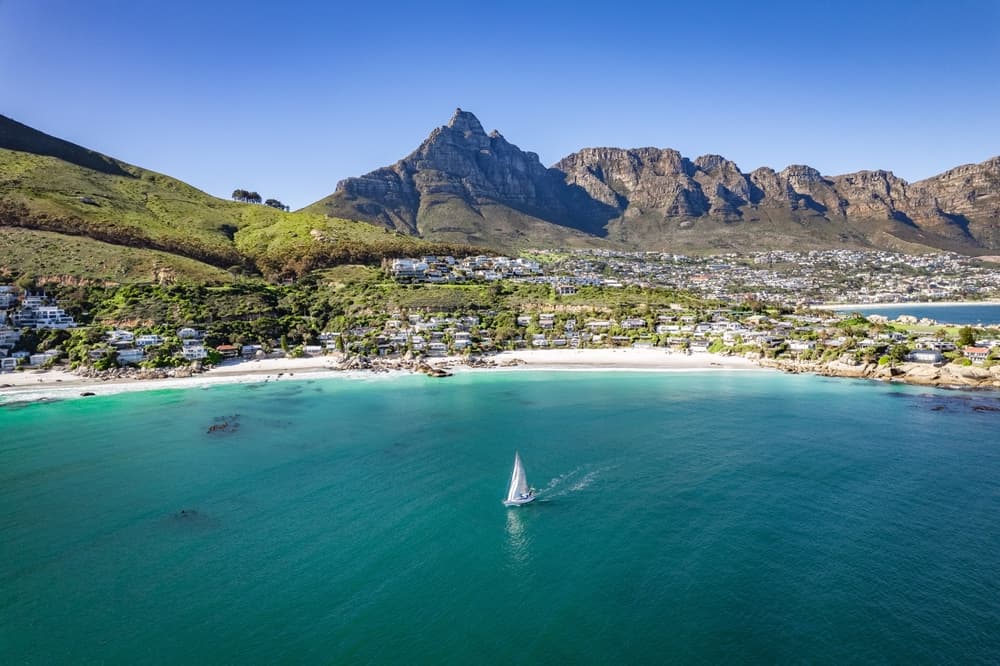
Table Bay, north of Cape Town, frames the V&A Waterfront, Robben Island, and iconic views of Table Mountain. A historic and natural setting at the heart of South Africa.
Table Bay opens to the north of Cape Town, framed by Table Mountain and the Cape Peninsula on one side, Robben Island offshore on the other. It was here that Jan van Riebeeck landed in 1652, laying the foundations of the city. Today, the Waterfront seafront, ferry crossings to Robben Island, and vistas across Table Mountain make this bay one of South Africa's most recognizable settings.
Quick Facts at a Glance
- Access: the waterfront is accessible on foot from the V&A Waterfront, Cape Town's central district.
- Ferries: boats to Robben Island depart from the Nelson Mandela Gateway quay at the Waterfront.
- Recommended duration: half a day for the waterfront; a full day if you include Robben Island.
- Accessibility: the Waterfront promenades are largely wheelchair-accessible.
- Weather: the southeast wind (the "Cape Doctor") can be strong in summer; bring a jacket.
What You'll See
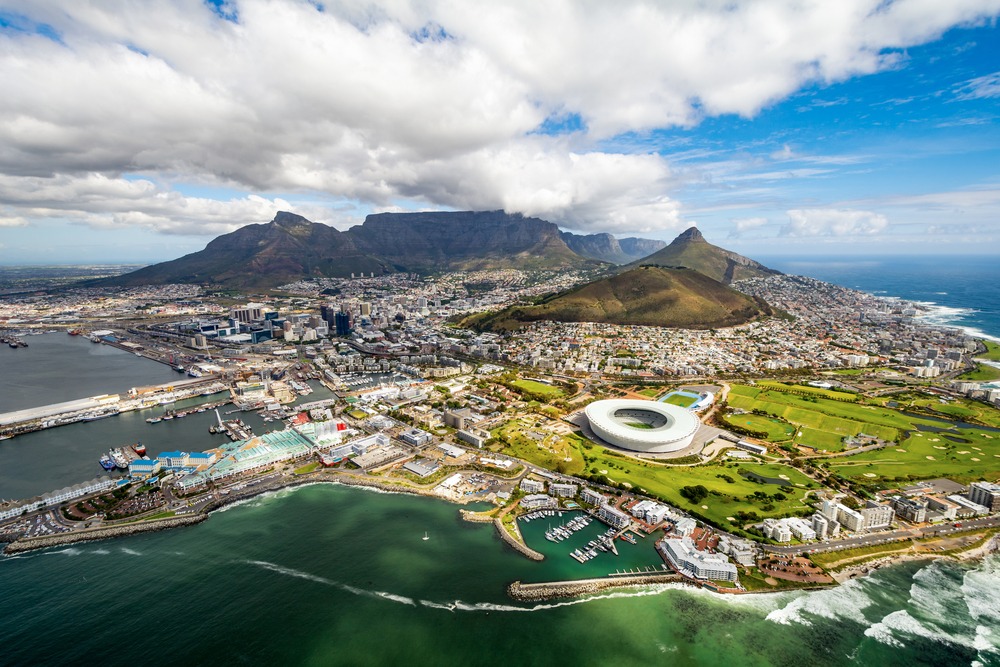
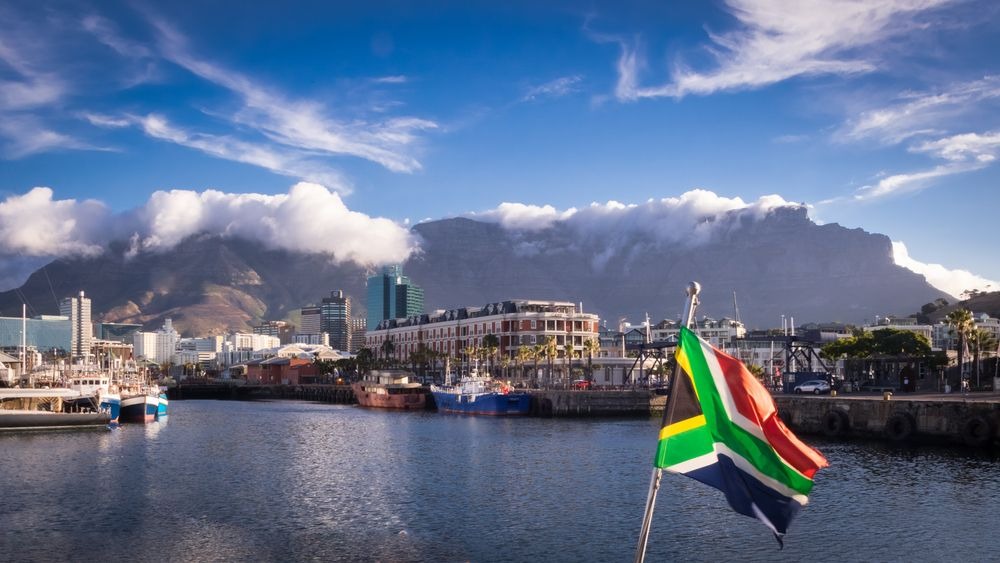
The bay offers continuous vistas of Table Mountain and its two sentinels, Lion's Head and Devil's Peak. In the foreground, the V&A Waterfront's quays blend restored Victorian warehouses, restaurants, and museums. On clear days, Robben Island stands out roughly a dozen kilometres offshore. Cape fur seals regularly colonise the port's pontoons.
History and Context
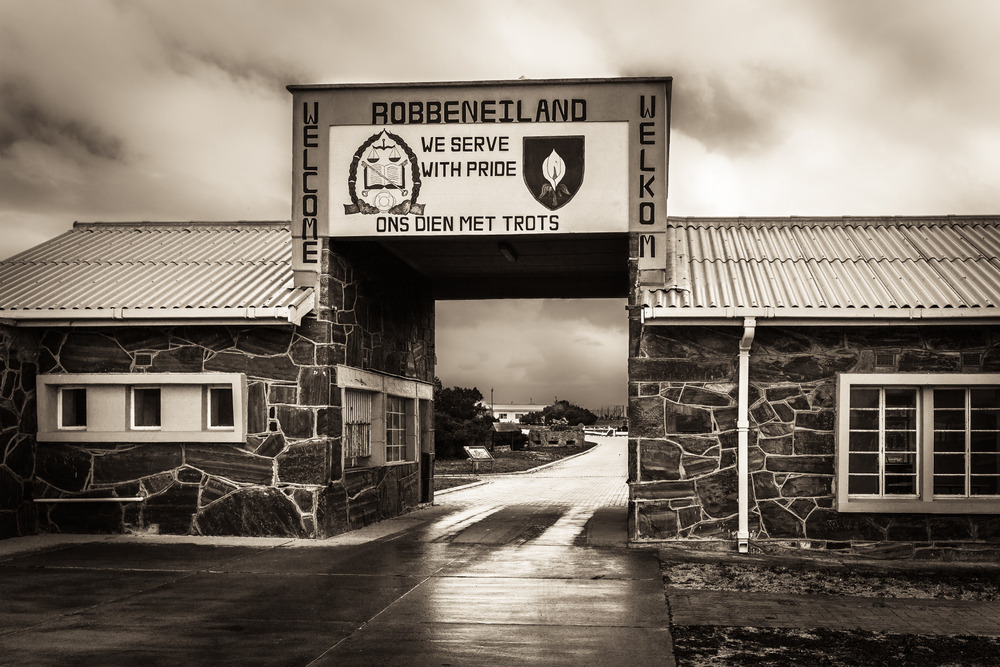
Table Bay was one of the first stopping points on the spice route between Europe and Asia. The Dutch East India Company (VOC) established a trading post here in 1652—the starting point of Cape Town. For centuries, ships anchored here to take on fresh water and provisions. Robben Island, visible from the shore, served as a political prison during apartheid; Nelson Mandela was detained there for eighteen years.
Highlights of Your Visit
The V&A Waterfront
The Victoria & Alfred Waterfront is the vibrant heart of the seafront. Its refurbished docks house the maritime museum, art galleries, craft markets, and seafood restaurants. The view of Table Mountain from the quays is particularly striking in late afternoon.
Robben Island
A UNESCO World Heritage Site, the island is accessible by ferry from the Waterfront. Tours are often guided by former political prisoners. Nelson Mandela's cell and the limestone quarry where detainees worked are the circuit's highlights.
Signal Hill and Lion's Head
These two peaks bordering the bay to the west offer sweeping views over the water and city. Sunset from Signal Hill, with the bay below, is one of Cape Town's most photographed moments.
Whale and Seal Watching
Between July and November, southern right whales sometimes approach the bay. Cape fur seals are present year-round on the fishing port's pontoons.
Photography Tips
Morning light is ideal for photographing Table Mountain reflected in the bay's calm waters. In the evening, position yourself on the Waterfront quays facing west to capture the sun setting behind Lion's Head. From a ferry to Robben Island, you'll get the classic wide shot: the mountain, city, and bay in a single frame.
Location and Access
Table Bay borders the north of Cape Town. The V&A Waterfront, the main entry point, lies about 10 minutes by car from the city centre (City Bowl). MyCiTi buses regularly connect the centre and the Waterfront. Cape Town International Airport is roughly thirty kilometres away. The waterfront promenades are wheelchair-accessible.
Nearby attractions to combine: Table Mountain, Robben Island, Lion's Head.
In the Area
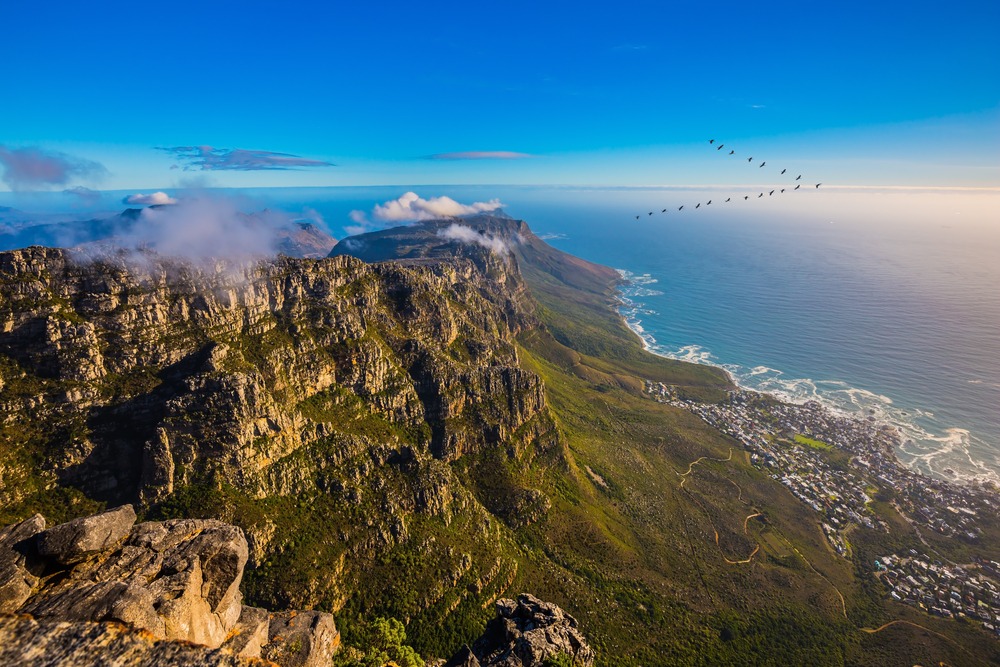
- Table Mountain — the cable car ascends to the flat summit that dominates the entire bay.
- Robben Island — UNESCO site, former prison of Nelson Mandela, accessible by ferry from the Waterfront.
- Bo-Kaap — neighbourhood of colourful houses and Cape-Malay heritage, a short walk from the centre.
- Lion's Head — circular hiking trail with panoramic views over the bay and peninsula.
- Signal Hill — viewpoint accessible by car, ideal for sunset over the bay.
Frequently asked questions
The Australian summer (November to March) offers the longest days and calmest waters for ferry crossings. Winter (June to August) is wetter but less crowded, and it's the season for southern right whales.
Ferries depart from the Nelson Mandela Gateway quay at the V&A Waterfront. The crossing takes roughly 30 minutes. It's advisable to book tickets in advance, especially during peak season.
Sightings are possible between July and November, but Table Bay is less renowned than False Bay for whale watching. Hermanus, about 120 km away, remains South Africa's best land-based viewing site.
Table Bay's waters are cold (Benguela Current) and not conducive to swimming. The beaches at Bloubergstrand, to the north, are more popular for water sports than swimming.
Allow two to three hours to stroll the quays, visit the maritime museum, and have lunch. A full day if you add the ferry crossing to Robben Island.
The bay and Waterfront are freely photographable. On Robben Island, certain interior areas may have restrictions; check with your guide on site.
Nearby
Interested in this visit?
We can include it in your personalised itinerary.