Maboneng, a South African Brooklyn Reimagined
Maboneng, a South African Brooklyn Reimagined
A creative neighborhood born from the rehabilitation of warehouses east of Johannesburg's CBD, Maboneng brings together galleries, theaters and a Sunday market.
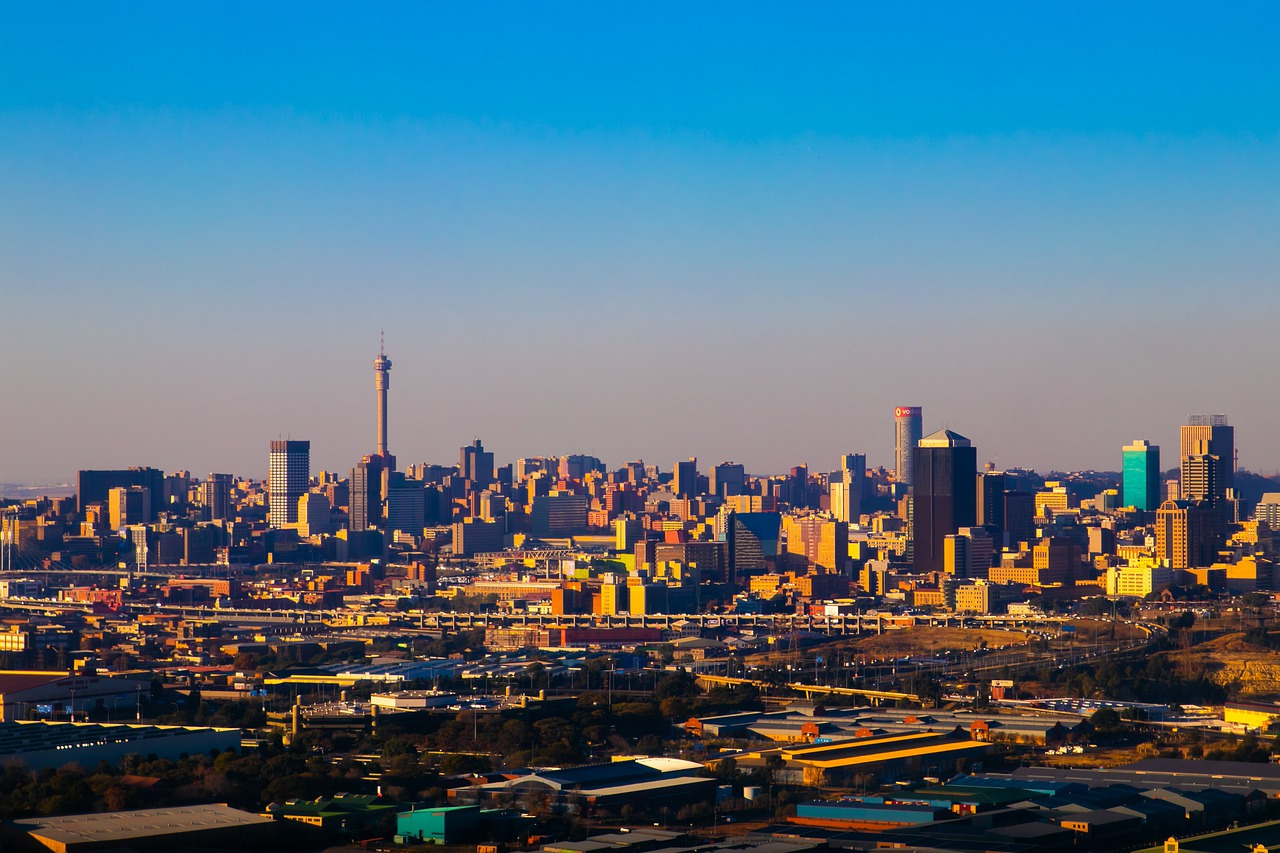
Maboneng, meaning "place of light" in Sotho, occupies the eastern edge of Johannesburg's CBD. Once an industrial zone long avoided by visitors, the neighborhood has transformed into a creative hub centered around galleries, artist studios, theaters, cafes and markets. Its renaissance, driven by a private rehabilitation project launched in the late 2000s, makes it one of the key entry points for understanding contemporary Johannesburg.
Why visit Maboneng
Maboneng draws its appeal from a rare concentration in Johannesburg: within just a few city blocks, you'll find exhibition spaces showcasing established South African artists, an independent cinema, an experimental theater scene, and a lively Sunday market. The neighborhood also illustrates a singular urban phenomenon: the transformation of a neglected industrial sector into a mixed cultural hub, frequented by students, artists, entrepreneurs and visitors from all walks of life.
Unlike Johannesburg's peripheral shopping centers, Maboneng is designed for walking, making it one of the few areas in the city where you can wander from one gallery to a café without getting back in a car. The contrast with still-abandoned buildings nearby reminds visitors that the metamorphosis remains incomplete.
The neighborhood's history
The Maboneng project was born from the initiative of Jonathan Liebman, a Johannesburg entrepreneur who entered business at just 15 years old. Upon returning to the city, frustrated by the lack of livable urban spaces downtown, he imagined at around 24 the conversion of old warehouses into art studios, lofts, creative agencies, shops and restaurants. The rehabilitation relied on the gradual acquisition of abandoned industrial buildings east of the CBD.
The bet paid off within roughly three years: the first creative tenants moved in, followed by agencies, galleries and dining establishments. From 2010-2011 onward, several flagship cultural institutions opened their doors and cemented the neighborhood's identity. Security in the area, long precarious, improved markedly from 2008 onward, making it accessible to a wider audience.
What to see and do in Maboneng
Arts on Main
The pivotal artistic complex of the neighborhood, Arts on Main occupies former concrete warehouses converted into private studios and exhibition spaces. William Kentridge, a major figure in South African art and renowned engraver and director, has a space here. Mikhael Subotzky displays animated films, prints and murals, and conceptual artist Kim Lieberman is represented. The Lovejozi t-shirt brand also has a storefront.
Hotel 12 Decades
This hotel-gallery offers 12 rooms, each telling a decade of Johannesburg's history, from the gold rush to the 2000s. Visiting the common areas is worthwhile even if you're not staying overnight.
The Bioscope
A cinema that opened in June 2010, The Bioscope champions independent programming centered on South African and African avant-garde films, rarely shown in multiplexes.
POPArt Theatre
Launched in March 2011, this intimate theater has hosted several hundred original productions. It favors interactive theater and gives substantial space to contemporary South African writing.
Museum of African Design
The MOAD is dedicated to African contemporary design and art. Programming alternates between thematic exhibitions, product design, fashion and graphic design, with a resolutely pan-African perspective.
Market on Main
Every Sunday, this covered market brings together local producers, creators and restaurateurs. It's one of the best times to capture the neighborhood's atmosphere: live music, street food, independent design stalls.
When to visit
The neighborhood comes alive on weekends, particularly Sunday with Market on Main, and in the evening for theater and cinema programming. On weekdays, the atmosphere is noticeably calmer: galleries and cafes remain open, but many shops operate on reduced hours.
As for climate, Johannesburg enjoys strong sunshine year-round. October through April offer mild to warm temperatures; Southern Hemisphere winter evenings (June-August) can be cool but dry.
Practical information
Plan for half a day to a full day to tour the main sites, or longer if you extend your visit with a meal or show. The distances between sites are walkable within the neighborhood's central area.
Safety
Safety improved significantly after 2008 within the rehabilitated perimeter, but the neighborhood is bordered by more sensitive areas. A few rules are essential:
- Stay within Maboneng's pedestrian core and avoid straying without reason.
- Limit displays of wealth (watches, jewelry, visible smartphones).
- Prioritize ride-hailing or taxis to get to and leave the neighborhood, especially in the evening.
- For nighttime outings, stay alert and prefer returning by vehicle.
How to get there
Maboneng is located east of Johannesburg's CBD, about twenty kilometers from O. R. Tambo International Airport (JNB). Several airlines connect Paris to Johannesburg, either direct or with a stop depending on the carrier; direct flight time is approximately 11 hours.
From the airport, several options are available:
- Ride-hailing (Uber, Bolt): the simplest solution and widely used by travelers.
- Private taxi or shuttle: book in advance with established operators; moderate to high rates depending on service.
- Gautrain: high-speed train connecting the airport to Park Station, with ride-hailing connection to reach Maboneng.
- Car rental: convenient if you're combining Maboneng with other Gauteng stops.
Nearby
Maboneng fits naturally into a broader exploration of Johannesburg, which also includes the Newtown neighborhood, Constitution Hill and the Apartheid Museum, all accessible by ride-hailing in about twenty minutes. To further explore the country's urban and artistic offerings, the Zeitz Museum of Contemporary Art Africa in Cape Town makes an interesting counterpoint. On the nature side, many travelers combine Johannesburg with a stay in the Sabi Sand Game Reserve, accessible from JNB airport.
FAQ
Frequently asked questions
The rehabilitated core of the neighborhood has become welcoming since the late 2000s, particularly on weekends. The surrounding areas remain more sensitive: limit walks outside the pedestrian perimeter, avoid displaying valuables and prioritize ride-hailing in the evening.
Sunday, for Market on Main and the buzz of the terraces. Saturday is also very lively. On weekdays, several shops operate at reduced capacity.
Half a day is enough to tour Arts on Main, the MOAD and the main streets. Plan a full day if you're having lunch there and extending with a film at The Bioscope or a show at POPArt.
The simplest option is ride-hailing (Uber, Bolt) for roughly 20 km. An alternative is to take the Gautrain to Park Station then ride-hailing for the final kilometers.
Yes, during the day, particularly for Market on Main and exhibitions. Evening outings are better suited to adults, with a return by ride-hailing.
Planning the rest of your trip
Maboneng fits naturally into an itinerary combining cities and nature. To build a cohesive trip, consult our South Africa travel itinerary suggestions.
Interested in this visit?
We can include it in your personalised itinerary.