KwaZulu-Natal and Drakensberg
From the Drakensberg amphitheater to the iSimangaliso lagoons, a province that condenses mountain, safari and Indian coast within 400 kilometers.
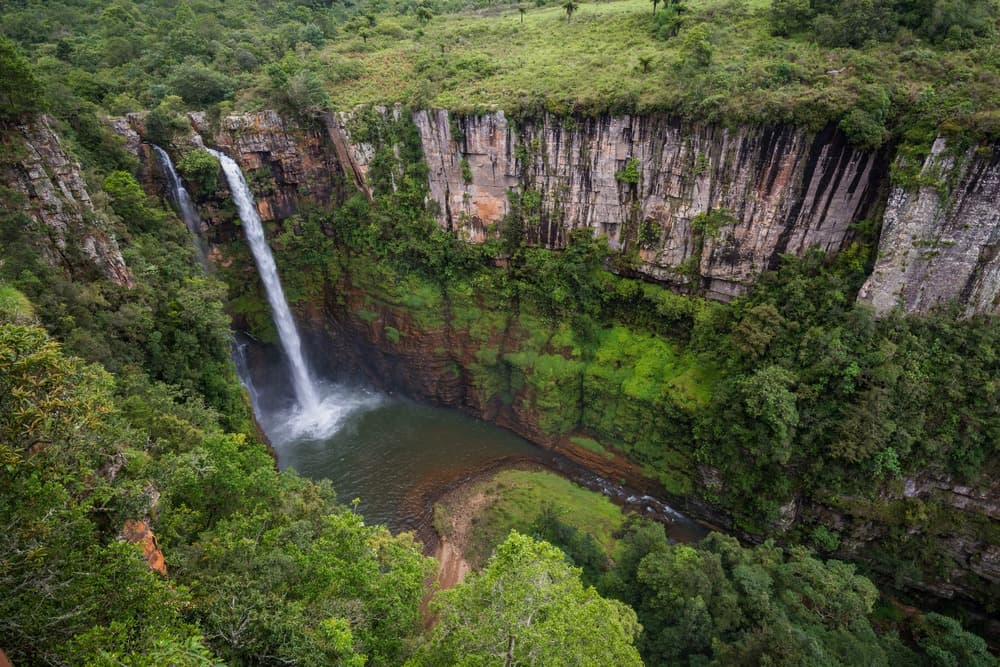
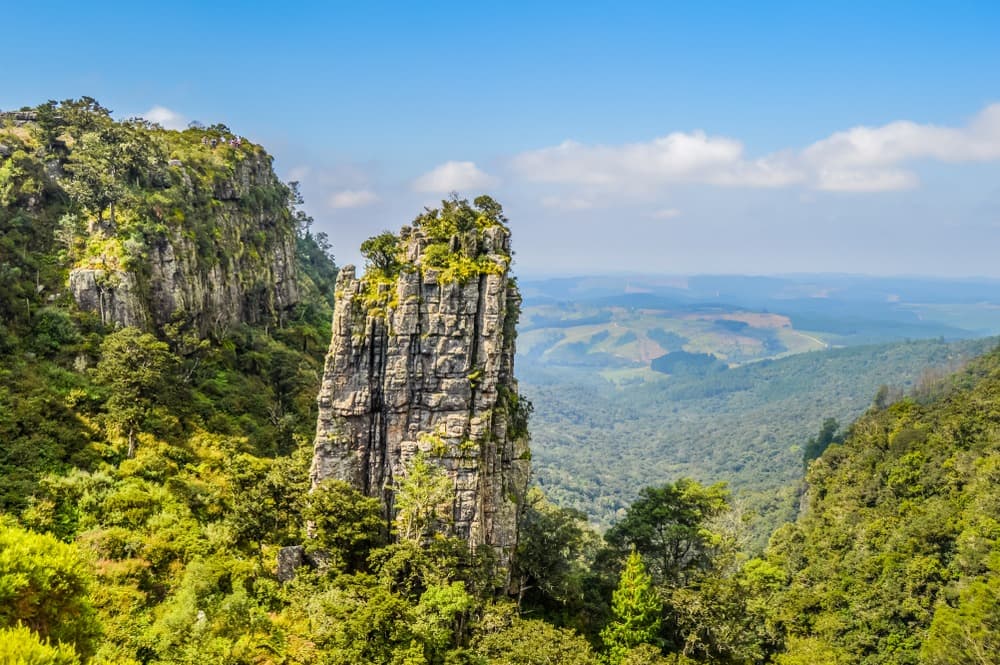
KwaZulu-Natal stretches 400 kilometers between the Lesotho border and the Indian Ocean, condensing within this compact space landscapes that other countries spread across thousands of kilometers. To the west, the basaltic escarpments of the Drakensberg form a continuous wall that peaks at 3,482 m at Mafadi. To the east, the subtropical coast lines beaches, lagoons and coastal marshes where hippopotamuses share the water with Nile crocodiles. Between the two, the Midlands unfold their green hills planted with sugarcane and pines, dotted with dairy farms and Zulu villages.
The region takes its name from the Zulu people, who still represent the bulk of the rural population today. The historic kingdom of Ulundi, the former capital of King Cetshwayo, and the Isandlwana battlefield, where the British army was defeated in January 1879, tell a past that local guides know in detail. Further south, Howick and Pietermaritzburg bear the mark of British settlers and Gandhi, who was expelled from the train in 1893 and built his political thought there.
Durban, the country's third city, is home to the largest population of Indian origin outside Asia, descendants of indentured laborers brought in 1860 for the sugarcane plantations. The cuisine bears the trace: bunny chow, a hollowed-out half-loaf filled with curry, was born in the Grey Street neighborhood. The spice markets of Victoria Street and the Hindu temples of Chatsworth complete this cultural blend. Durban's climate hovers around 25°C on average annually, with mild winters that make it a comfortable entry point from June to August.
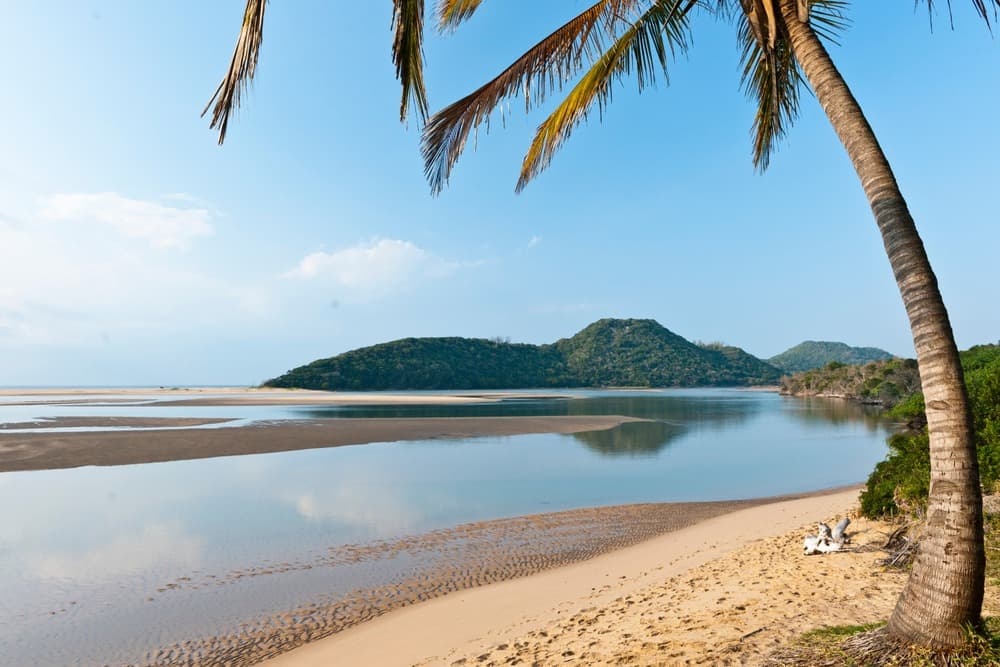
On the nature side, Hluhluwe-iMfolozi Park, established in 1895, remains Africa's oldest national park and the continent's best place to observe the white rhino, saved from extinction thanks to Operation Rhino launched here in the 1960s. Further north, iSimangaliso Wetland Park, a UNESCO World Heritage site, lines 220 km of coast with five ecosystems: Lake St Lucia, forested dunes, savanna, coral reef and wetlands. Sodwana Bay is one of the world's southernmost coral diving sites.
The Drakensberg itself divides into several sectors. The north, around Royal Natal and the Mont-aux-Sources amphitheater, offers the most photographed silhouette of South African mountains. The center, at Cathedral Peak and Champagne Castle, concentrates hiking itineraries of 2 to 5 days. The south, at Kamberg, hosts one of southern Africa's finest collections of San rock paintings, dated to over 2,000 years ago, accessible after 1.5 hours of hiking with a rastafari guide. Sani Pass, at 2,873 m, remains the only mountain pass road linking KwaZulu-Natal to Lesotho, accessible only by 4x4.
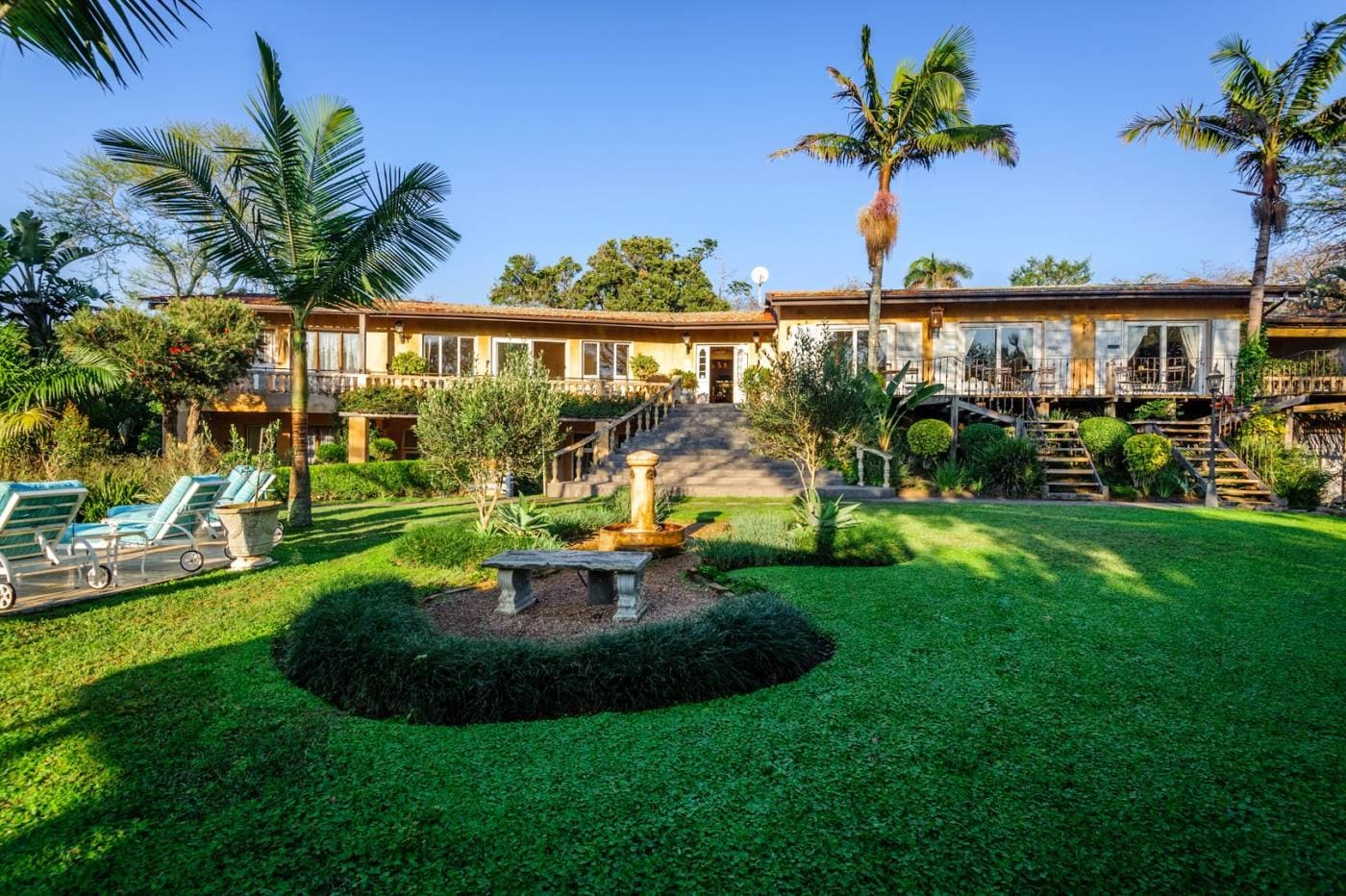
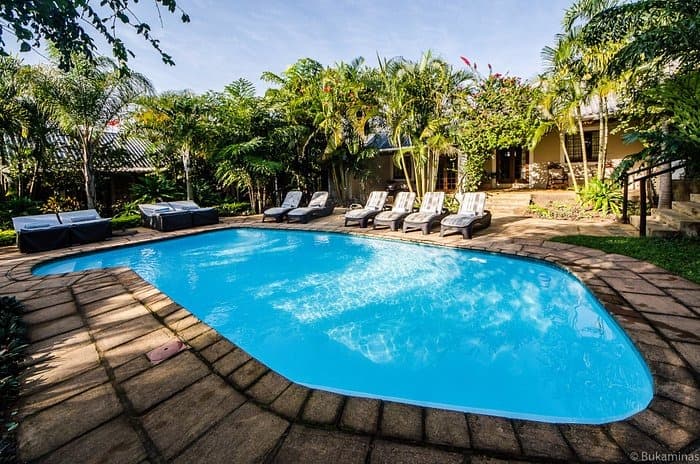
This density explains why we rarely recommend the region in less than eight days. It lends itself to a loop circuit from Durban or Johannesburg, and complements the Kruger well for those wanting to alternate enclosed reserve safari with mountain hiking, or the Garden Route for those seeking another coast. Roads are good, distances reasonable, and accommodation infrastructure ranges from bush lodge to hiking guesthouse run by the community.
To discover
Mont-aux-Sources Amphitheater. A basaltic cliff 5 km long and 1,200 m high, accessible by a 7 km hike from the Sentinel parking lot, with two metal ladders on the final stretch.
Rhino safari at Hluhluwe-iMfolozi. The park hosts the world's largest white rhino population. We depart on morning game drive at 5:30 am, when herds are still moving along the tracks.
Kamberg rock paintings. 1.5 hours of hiking to the Game Pass shelter, where over 540 figures painted by the San illustrate shamanic trances. Guided visit mandatory with a local interpreter.
Bunny chow and Durban markets. The Indian neighborhood around Victoria Street concentrates cardamom grocery shops, sari workshops and small eateries where bunny chow is eaten by hand, without utensils.
iSimangaliso and boat on Lake St Lucia. A 2-hour outing to observe hippopotamuses and crocodiles just meters away, then overnight in a lodge at Cape Vidal, a deserted beach bordered by coastal forest.
When to go
The best period to combine Drakensberg and coast runs from April to June, then September to October. Temperatures remain mild (18 to 24°C by day on the coast, 15 to 20°C in the mountains), rainfall is rare and vegetation retains the colors of the Southern Hemisphere summer. Winter, from June to August, offers clear skies ideal for high-altitude hiking, but nights drop below freezing above 2,000 m, with occasional snow on Sani Pass and Cathedral Peak. It's also the best season for safari at Hluhluwe: low vegetation facilitates viewing and animals concentrate around water points.
From December to February, summer brings heat (28 to 32°C in Durban) and afternoon storms in the mountains, sometimes violent, with accumulations of 150 mm per month on the Drakensberg. This season coincides with South African school holidays: the coast around Umhlanga and St Lucia is saturated, prices rise, best avoided mid-December to mid-January. March and November are pleasant transition months, quieter, with vegetation still green.
Practical advice
We recommend a minimum of eight days in the region to articulate mountain, safari and coast without rushing through everything. The logical entry point is Durban airport (King Shaka International), well served from Johannesburg in 1 hour by air, or by car from Johannesburg via the N3 (approximately 6 hours driving). The classic circuit heads up from southern Drakensberg (Kamberg, 2 nights) to the north (Cathedral Peak or Royal Natal, 2 nights), then shifts toward Hluhluwe-iMfolozi (2 nights) and finishes at iSimangaliso or the Umhlanga coast (2 nights).
The region combines well with the Kruger and private reserves to extend the safari, or with Johannesburg and Soweto to add an urban and historical dimension. It suits families (short distances, adapted lodges, Big Five without long journeys), hikers (marked Drakensberg trails, 3,000 m refuges) and travelers interested in colonial and Zulu history. Comfort level is high: 4-star lodges, character guesthouses in the Midlands, furnished tent camps in reserves. An international driving license is sufficient, and main roads are in good condition.