Stellenbosch
Stellenbosch
Just 50 km from Cape Town, Stellenbosch concentrates award-winning wines, colonial architecture and mountains accessible on foot. The heart of the Cape Winelands.
Between hiking, visiting wine estates and tasting award-winning wines, the town of Stellenbosch in South Africa invites you on a captivating journey through wine and gastronomy.
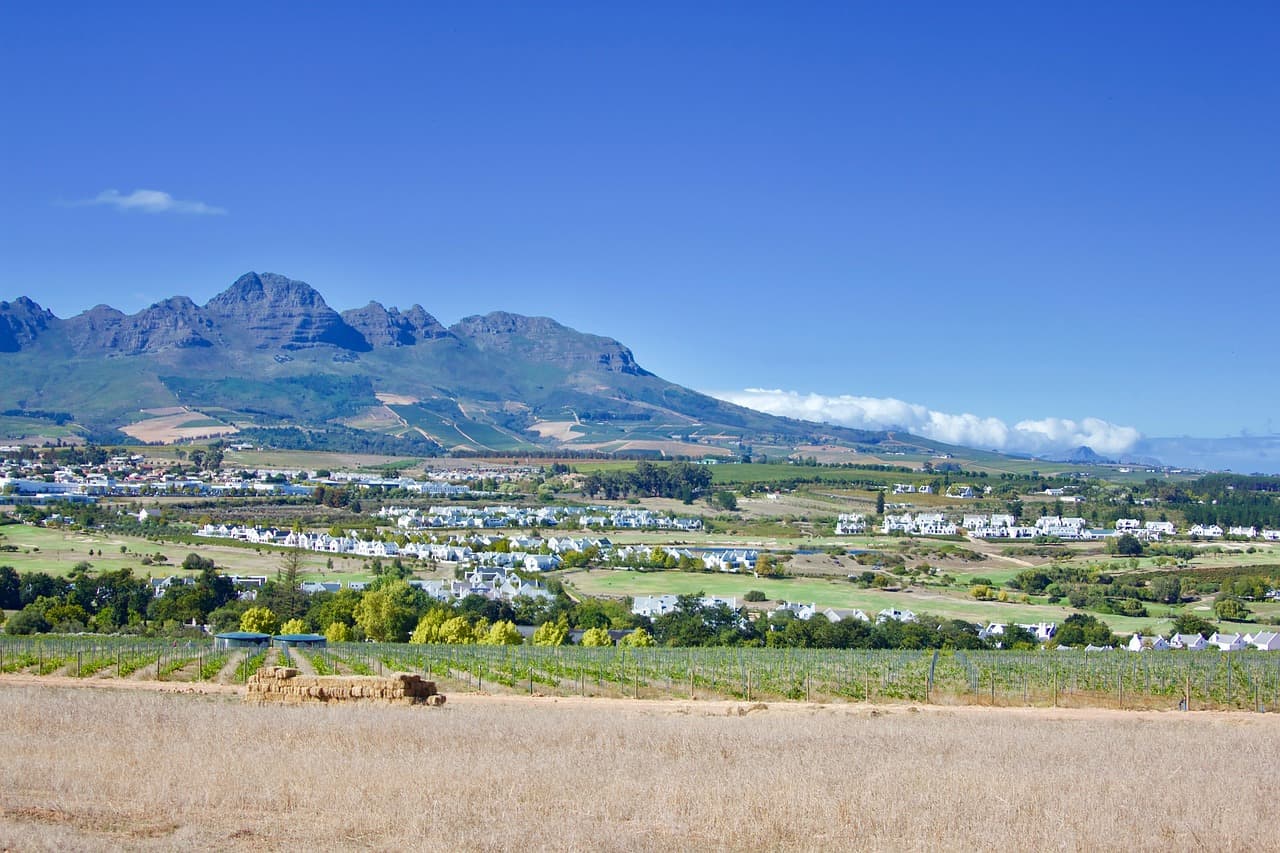
Nestled at the foot of the Simonsberg and Drakenstein mountains, among rolling valleys and wooded hills, Stellenbosch is a charming rural village. Its location on the banks of the Eerste River invites horseback riding and cycling. In the historic centre, grand manor houses faithfully echo the colonial past, with their Dutch, Victorian and Georgian architecture. Yet the former colony founded by Simon Van der Stel in 1679 is known primarily as South Africa's most renowned wine region. More than 200 family farms specialise in wine and grape production. The Stellenbosch wine route is a popular itinerary worldwide, where tastings combine with spectacular views over the vineyards. Beyond wine tourism, visitors can explore the wild side of the terroir. Strawberry orchards, lion sanctuaries or Jonkershoek nature reserve… Organise a tailor-made trip to appreciate this multi-faceted wine village.
Historical Notes
Towards the end of the 17th century, the Dutch colony of the Cape witnessed a spectacular agricultural boom with the arrival of French Huguenots. Seeking exile in Africa due to religious wars, they were fortunate to be in the good graces of commander Simon Van der Stel for their viticultural expertise. In 1688, just nine years after the town's construction, the first grape varieties were planted. Soon, the Stellenbosch valley would harbour a thriving wine industry. It should be noted that hydraulic engineering was second nature to the Dutch, and moreover, Stellenbosch's Mediterranean climate was particularly suited to viticulture, which required little rain but demanded abundant sunshine.
Agricultural wealth explains the influx of European settlement and the establishment of a university school in 1685. The second European dependency in the Cape province developed at a rapid pace, eventually becoming, alongside Paarl, the largest Afrikaner community in the country. Ironically, Stellenbosch's academic prowess produced some of the most fervent nationalists leading apartheid as well as its fiercest critics.
From Dutch occupation, Stellenbosch retained an invaluable heritage. First, note the architectural legacy, of which the historic houses on Dorp Street are a striking example. More importantly, winemaking is an immemorial tradition dating back over three centuries and actively practised today. The emerging tourism industry of the early 1980s was, in a sense, a daughter of viticulture.
Stellenbosch Today
Located about fifty kilometres from Cape Town, Stellenbosch is a tourist destination in South Africa with varied and surprising points of interest. At the mention of the town's name, breathtaking vineyard landscapes come to mind. While Stellenbosch is South Africa's leading wine production centre, with the country producing nearly 1 billion litres of wine annually, the town has much to see and visit beyond wine cellars and gastronomic delights.
Wander through shaded streets lined with old oaks, where Dutch and British houses succeed one another. Take a moment to visit a botanical garden or animal sanctuary. If you have an artistic bent, Stellenbosch's museums and art galleries are eager to reveal their collections to you. For true gourmands, Stellenbosch is an ideal starting point to discover the country's other wine villages, such as Paarl, Constantia or Durbanville, to name just a few. Beyond wines, the region offers delicious nougat, strawberries and artisanal pastries of all kinds to round out the terroir's gastronomic offerings.
What to See and Do in Stellenbosch
Whether you love fine dining, you're an avid hiker, or you prefer historical and cultural visits, Stellenbosch is, without question, the destination that suits you.
Architectural and Urban Heritage
The old town deserves a stroll for its characterful buildings. At first glance, the eye is struck by the row of oaks lining the streets. They were planted on the orders of Simon Van der Stel, the colony's founder, to supply timber. Walking along Dorp Street, the thoroughfare that once connected Stellenbosch to Cape Town, you'll be impressed by the richness of colonial remains. Visit in turn the House of Gratitude or Voorgelegen, the Protestant church baptised the Old Reading Room, the Oude Meester Wine Museum or Libertas Parva, built to a characteristic H-shaped plan and home to the art museum dedicated to Rembrandt.
Framed by magnificent lawns, the Braak is a celebrated square where military parades once took place. The iconic figure on the esplanade is the Moederkerk church, with its distinctive neo-Gothic façade. If you have more time, continue the visit via the arsenal, St Mary's Anglican church, and the Rhenish church completed in the 19th century, graced with an ogival door and charming colonnades.
Stellenbosch boasts two interesting museums: the Stellenbosch Village Museum and the Salol Art Museum. The former displays a collection of Dutch buildings as they were originally designed, while the latter showcases art and painting. The canvases are signed by great South African masters, but you'll also find paintings and period objects from across Africa.
Wine Heritage
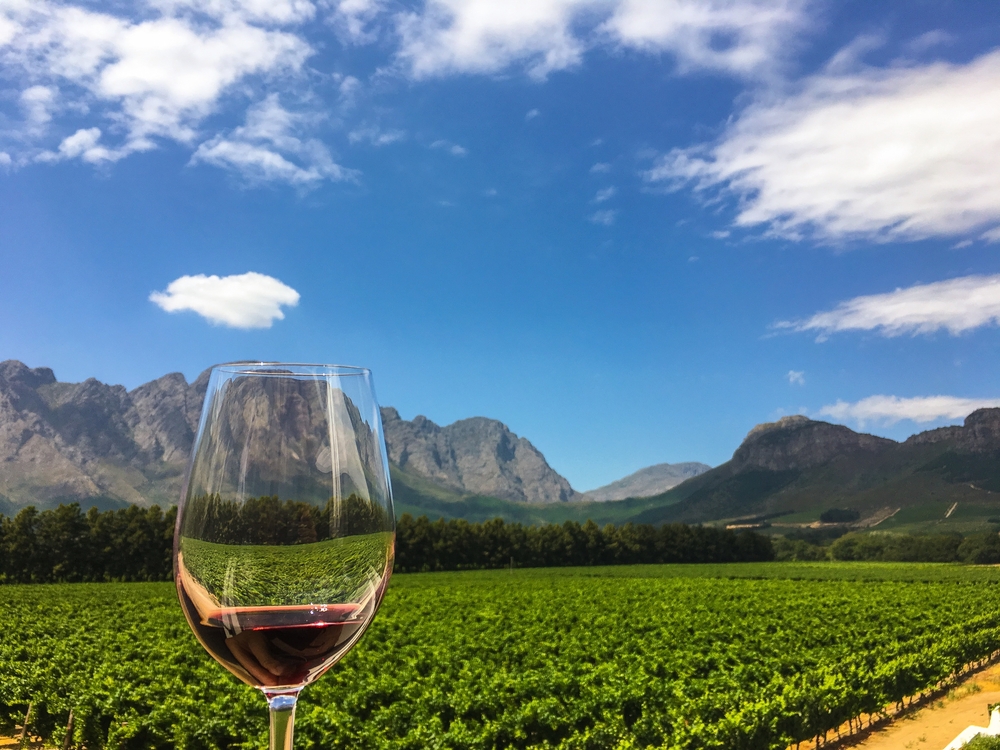
The main reason for a trip to Stellenbosch is the hike along the wine routes. Estates such as Spier, Waterford Estate and Kleine Zalze are among the region's most renowned. Walking through the vineyards allows you to deepen your knowledge of the vine, savour its fruit and appreciate the organoleptic characteristics of each wine under the informed guidance of an oenologist. Beyond this educational and gustatory experience, traversing the lush valley, between hills and mountain ridges, is an enchantment in itself. Five hiking trails are available: the Stellenbosch Valley, the Bottelary Hills, the Helderberg, Stellenbosch Berg and Greater Simonsberg. Visitors can also enjoy mountain biking, horseback riding or a classic road trip. Whatever your mode of transport, you'll return completely satisfied from this journey.
For travellers with children, a tour of Stellenbosch's emblematic vineyards can be combined with a fruit-farming experience. Visit a strawberry farm in the valley. Children will love wandering through the orchards and picking freshly ripened strawberries. Don't refuse the farmers' gracious hospitality. They'll happily share their lunch with you, often inspired by seasonal vegetables. In the afternoon, you can ride a pony, take a tractor ride or help care for the fruit trees.
Natural Heritage
Jonkershoek Nature Reserve: nature lovers aren't the only ones who venture into this 9,800-hectare park. Rivers, waterfalls and granite cliffs create an exceptional environment ideal for trekking, boating, picnicking and bird-watching. As you climb the mountain peaks, African eagle-owls, black eagles and African fish eagles will reveal themselves to you, among other birds of prey. The company of an experienced guide is advisable: climbers will be rewarded with an admirable panorama, but the descent is strenuous for the unfit. 10 km from the city centre.
Helderberg Nature Reserve: bordered by the mountain range of the same name, opposite False Bay, the Helderberg park harbours precious natural resources. As you venture into the fynbos forest, a vegetation formation unique to the Cape province, you'll meet countless species of proteas with fleshy, colourful flowers. Botany and ornithology enthusiasts will be delighted.
Best Time to Visit Stellenbosch
Like the Cape region, Stellenbosch municipality enjoys a Mediterranean climate. The ideal period for outdoor activities runs from September to April. Rainfall is not a problem during this time of year, and temperatures are very pleasant, averaging around 18°C, with extremes ranging from 11° to 28°C. Spring is a good time to visit Stellenbosch to photograph flowering vines, when bunches are just beginning to burst. Conversely, plan your departure for autumn (mid-March through late April) if you wish to experience the bustling, festive atmosphere of the harvest.
The nearest airport is in Cape Town, formerly known as D F Malan Airport. Paris is 14.5 hours flying time from Cape Town. You can book a direct flight with Air Mauritius, Singapore Airlines, Delta or CemAir. For budget flights, check Ethiopian Airlines and Turkish Airlines.
A distance of 33 km separates Cape Town's international airport from Stellenbosch town centre. Several transport facilities are available to tourists: taxi, hotel shuttle or public transport. Expect to pay between €35 and €48 to reach Stellenbosch by taxi. Alternatively, the cheapest option is to take the MyCity bus line, which will drop you at Cape Town's municipal centre, then catch the next CT Northern train to Stellenbosch. Economic as it is, this second option isn't the most convenient, given the three-hour journey to reach the town centre.
You'll Love…
Exploring the famous Stellenbosch wine route;
Visiting artisanal wine cellars;
Discovering excellent regional wines;
Enjoying a stay with a host family;
Dining in the city's finest restaurants;
Strolling through the historic centre and admiring Dutch architectural heritage;
Photographing the Moederkerk neo-classical church, Stellenbosch's flagship monument;
Taking a scooter ride through the Jonkershoek nature reserve;
Observing a rich population of exotic birds;
Horse riding near the Simonsberg mountains.
Want to discover this destination?
Our local advisors design your tailor-made trip.