Paarl
Paarl
Paarl, South Africa's third-oldest city, blends Huguenot vineyards, a massive granite boulder and Nelson Mandela's legacy just one hour from Cape Town.
Heir to colonial architecture and a rich winemaking heritage, Paarl, a city in the Western Cape of South Africa, is a coveted tourist destination. Here's the lowdown.
When you hear the name Paarl, one image looms large: an enormous granite boulder dominating the town below. That the Pearl Mountain stands as Paarl's defining symbol doesn't mean this former Hottentot stronghold amounts to nothing more than a rock climbing mecca. Visiting Paarl means encountering one of South Africa's oldest settlements. French Huguenots endowed it with parks, orchards and sprawling vineyards. Explore centuries-old colonial farmsteads, pay tribute to the dignified work of vintners and fruit growers, taste locally-grown produce, admire the stately buildings along Main Street, and honour the Language Museum. Paarl offers agritourism pleasures and timeless journeys through echoes of Dutch colonial rule.
Historical Notes
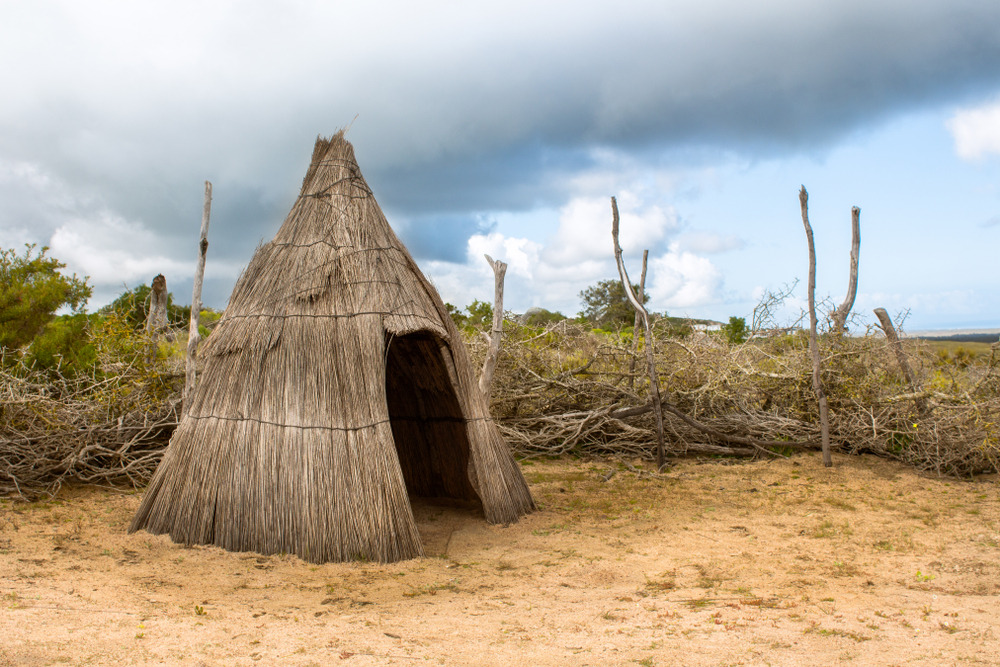
Paarl was officially established in 1687 when Governor Simon Van der Stel inspected the fertile lands bordering the Berg River and claimed them for the Netherlands. Long before becoming a Dutch and British possession, Paarl was inhabited by Hottentot pastoralists. This indigenous tribe lived by hunting and transhumant cattle herding. The town's name derives from the granite outcrop that gleams brilliantly in the sun after rainfall. Abraham Gabemma, a senior official of the Dutch East India Company, was the first to notice it and named it the "mountain of diamonds and pearls." The diamond didn't stick, and the promontory became simply known as Pearl Rock or Pearl Mountain.
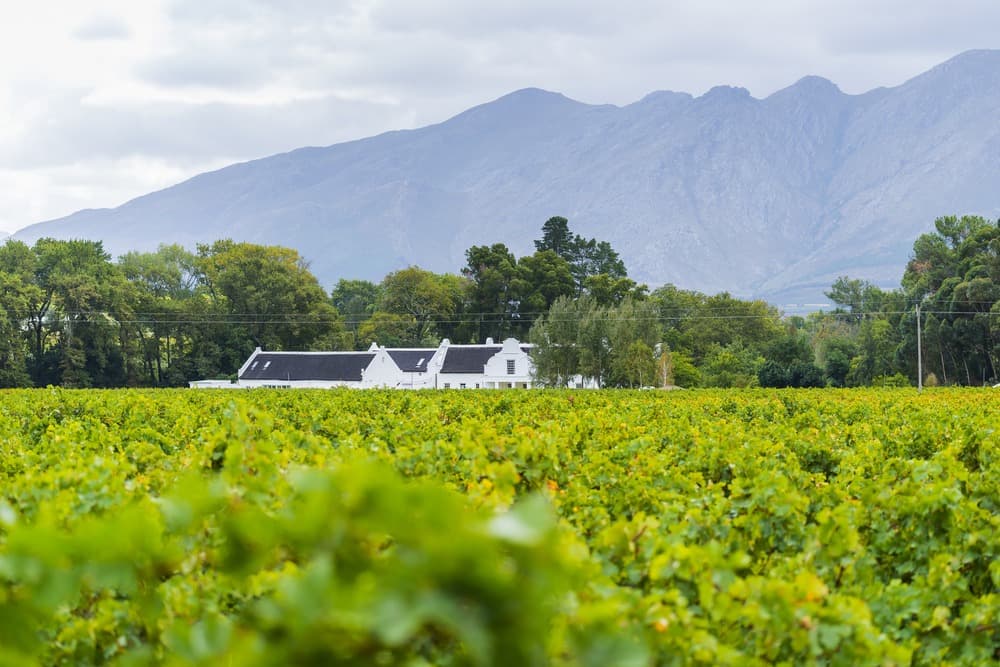
In 1688, French Huguenots arrived in the settlement at the governor's invitation and introduced viticulture. The soil's fertility and Mediterranean climate proved perfectly suited to vineyards. Huguenots were soon joined by Dutch farmers called Boers. Alongside the wine industry, which became the region's primary revenue source, settlers introduced olives, citrus and fruits of all varieties.
Coexistence with indigenous tribes sparked violent disputes. The conflict centred on the clash between African customary law, which asserted rights over communal lands based on generations of use, and European written law, which recognised only written title deeds. Resentment simmered, uprisings erupted and the protesting Hottentots suffered crushing defeats. Dispossessed of their lands, they provided labour to Dutch concessions, while others settled along the Orange River.
Paarl's wine industry became the country's most prosperous. The KWW, or South African Wine Producers' Cooperative, established its headquarters in the town centre. This wealth was built on the backs of enslaved Africans imported from across the continent and coloured workers. Hence the pronounced racial diversity of Paarl's population, making it South Africa's third-oldest city after Cape Town and Stellenbosch.
Today: A Fashionable Tourist Destination
In the southwestern corner of the Western Cape, Paarl, the chief town of Drakenstein and major hub of the Cape Winelands, lies just one hour's drive from Cape Town. Recent census figures put the population at around 112,000. With its natural beauty, Paarl seems destined for tourism. It hosts South Africa's largest wine estates and inherits an agricultural-food tradition dating to the colonial era. The picturesque quality of its vineyards, the majesty of its rock, the history embedded in its monuments and the secrets of its culinary specialities await discovery. Local tourism has evolved with new niche segments: golf, polo, award-winning beer tastings—recreational pursuits that delight celebrities and billionaires alike.
Must-See Attractions
Fresh, flower-strewn and charming, Paarl is far more than a visual feast. It enchants all the senses, marrying fine artisanal craftsmanship, the vibrant speech of the Khoikhoi, the grandeur of Dutch manor houses, and rich, creamy cheeses. Here's an overview of unmissable highlights.
Wine Heritage
The Paarl Wine Route is a popular itinerary across South Africa. It offers hiking, dining, wine and brandy tastings. If you believe alcohol is unhealthy, politely decline the tasting invitation, but don't skip the thrilling adventure through cellars and vineyards when the harvest is in full swing. Farms also offer concentrated grape juice that your palate won't resist. That's not all. The famous route passes through delis, chocolate shops and cheese producers, guaranteeing culinary surprises.
After a morning's ramble sampling different South African wines, dedicate your afternoon to botanical encounters. Babylonstoren Farm, for instance, houses nearly 200 ornamental, medicinal and culinary plant species. Or discover the techniques of dark chocolate making and processing.
Architectural and Historical Heritage
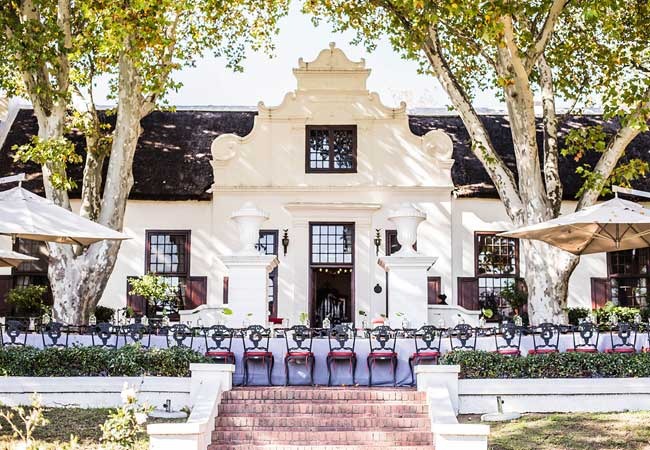
A stroll along Main Street is essential for discovering historical treasures. Keep an eye out for the imposing buildings left by English and Dutch settlers. From the Cape Winelands District Hall in Cape Dutch style to the Tower Church and the Vergenoegd Retirement Home, which are purely Georgian classicism, every heritage building is remarkable.
Three monuments stand out, dedicated to honouring the legal recognition of Afrikaans—a unique event in South African colonial history:
- The Afrikaans Language Monument: erected in 1975 on a rocky knoll, this monument celebrating Afrikaans features a row of separated columns facing three pointed mounds. The columns decrease in size while the mounds increase in height, symbolising the decline of Western languages in favour of indigenous tongues. Sculptor Jan van Wijk created it;
- The Taalmuseum, or Language Museum: like the monument, the museum was built to mark the 50th anniversary of the decree proclaiming Afrikaans as South Africa's official language, replacing Dutch. It occupies the former residence of Gideon Malherbe, just south of Pearl Rock. The museum's collection includes first-edition prints of the first Afrikaans newspaper, early Afrikaans texts transcribed in Arabic script, and audio recordings of Afrikaans melodies. A rich programme of events awaits visitors;
- The Afrikaans Language Route, another essential historical site.
Natural Heritage
- Paarl Mountain Nature Reserve: Pearl Rock is undoubtedly the town's number-one attraction. Climb the enormous granite formations, photograph their rounded relief, ride horses among wild olives, wagon trees and proteas, have fun cataloguing fynbos vegetation. Nature lovers will have a field day. Between mountain biking, sport fishing and impromptu picnics, families will share wonderful moments. For your information, Pearl Rock is the world's second-largest rock formation after Uluru in Australia.
Practical Information
Best Time to Visit
Like Stellenbosch and Franschhoek, Paarl enjoys a mild Mediterranean climate. It's warmer than Cape Town and sees less rainfall—precisely why grapes flourish here. To visit Paarl, plan your trip for spring (September to November) or autumn (March and April), when temperatures are gentler. Wine enthusiasts keen to witness the harvest and explore cellars should come between February and April.
To cover the 60 km from Cape Town to Paarl, tourists can take an Intercape bus from the Civic Centre terminal on Hertzog Boulevard. Alternatively, Shosholoza Meyl's Cape-Johannesburg trains stop at Paarl via Huguenot Station. The most convenient and comfortable option remains a private car. You'll reach Paarl town centre in about an hour, or 45 minutes with light traffic, by following the N1 or R45 routes.
You'll Love…
- Wandering through vineyard trails;
- Tasting the region's crisp whites and full-bodied reds;
- Sampling goat cheeses and other local specialities;
- Photographing the Language Monument;
- Visiting Nelson Mandela's former prison compound;
- Admiring the historic buildings along Main Street;
- Exploring the Language Museum's collections.
Want to discover this destination?
Our local advisors design your tailor-made trip.