Kosi Bay
Kosi Bay
At the edge of KwaZulu-Natal, Kosi Bay lines up four UNESCO lakes, millennia-old Tsonga fish traps and beaches where leatherback turtles nest.
Seeking an exceptional seaside escape in Afrique du Sud? Explore the Kosi Bay region, situated between Durban and Mozambique. Succumb to the charm of its stretches of golden sand, its pleasant climate and its sumptuous lodges, offering an experience of absolute relaxation. Whether you opt for canoe or boat excursions, hiking or 4x4 safaris, this natural site of exceptional preservation reserves a variety of outdoor adventures for you.
History
Kosi Bay holds a particularly important place in the cultural heritage of the former Tsonga Tembe kingdom. It is here that the Tsonga established their original home, living in harmony with nature and using traditional fish traps. The history of the Vatsonga people on this territory dates back approximately a millennium. The region, which includes Kosi Bay and Maputo Bay, was once considered a continuous terrestrial space, traditionally belonging to African peoples.
Once known by the names of Tembeland or Thongaland, these designations fell out of use in the early twentieth century. When Great Britain colonized Afrique du Sud, Kosi Bay was integrated into Natal, while Maputo Bay was annexed by Mozambique. This marked a turning point in the region's history.
Discover Kosi Bay
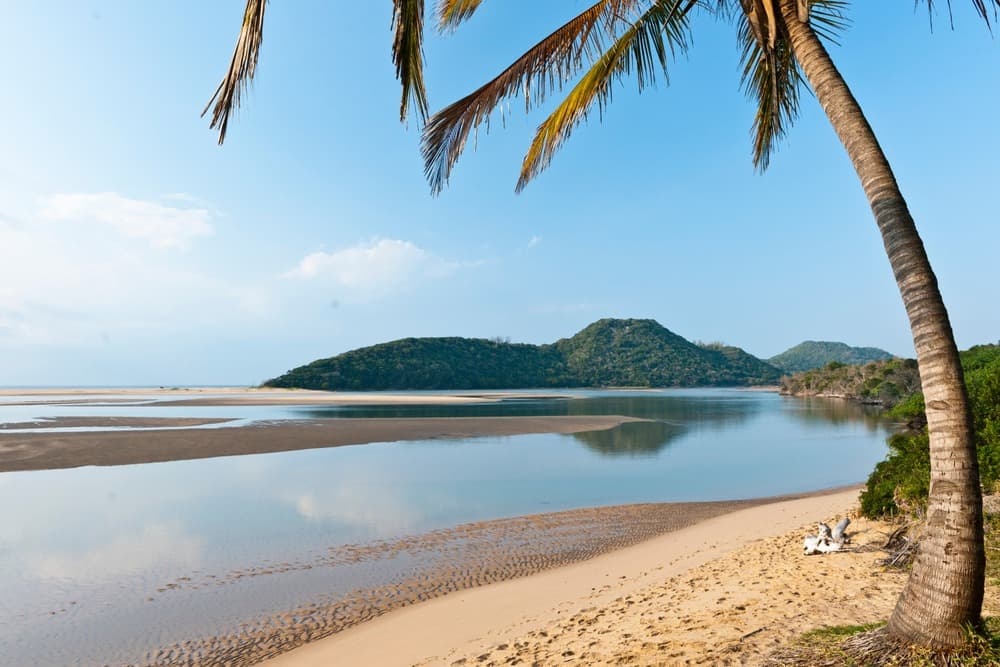
In the north-east of KwaZulu-Natal, Kosi Bay reveals itself as a fascinating coastal destination, formed by four interlocking lakes flowing into the Indian Ocean. This wild estuary is renowned for its traditional fish traps, an ancestral heritage of the Tonga people.
Wildlife
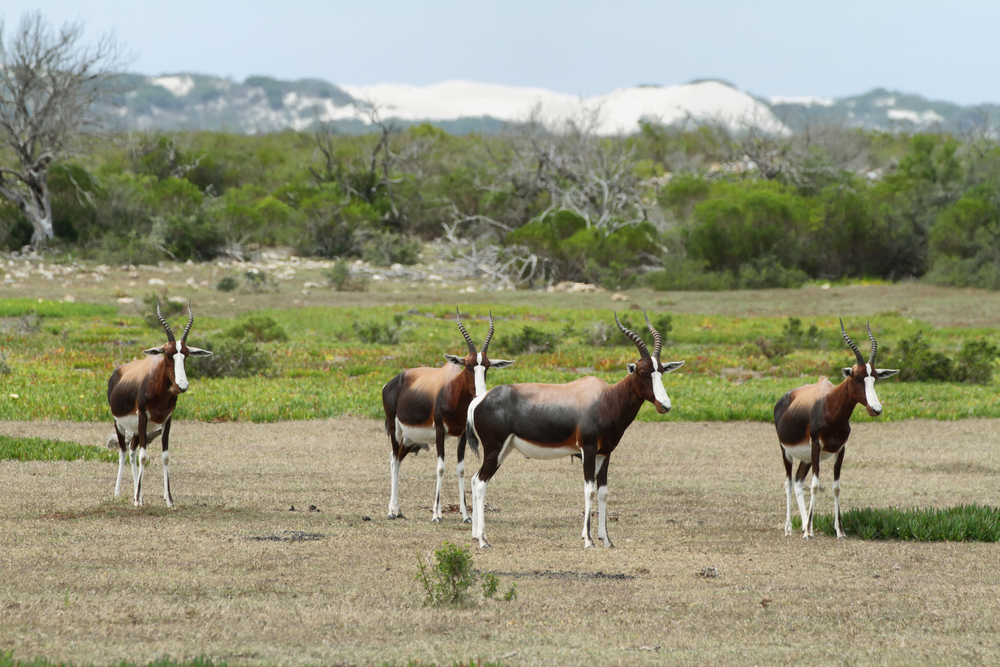
The bay is a paradise for wild animals. The slightly brackish freshwaters of the lakes, where fish are captured by means of structures called "fish kraals," captivate every visitor. A true paradise opens up for fishing enthusiasts, while the region is home to a diversity of wild animals.
Boat excursions reveal encounters with duikers, hippopotamuses, and crocodiles, including particularly aggressive sharks, nicknamed Zambesi. Whale sharks and manta rays also frequent these waters.
For bird watching enthusiasts, the bay is a sanctuary where the African fish eagle, the palmnut vulture, Pel's fishing owl, the white-backed night heron and kingfishers enchant the gaze. Each summer, the beaches welcome the egg laying by loggerhead turtles and leatherback turtles.
Flora
For botany enthusiasts, this place offers an exciting exploration of local vegetation. It showcases unique specimens such as the Kosi palm, holder of the largest leaves of all plants. Among endemic species, the Kosi cycad and Kosi fern are to be discovered. It is one of the rare areas in the world where five different species of mangroves coexist harmoniously.
The Best Time to Visit
The best time to visit this bay is from May to September, when temperatures are cooler and marine life is more active. Avoid the rainy season which occurs from November to March.
What to Do?
Without traveling kilometers away, initiate or perfect yourself with the different activities available on site:
- Kayaking on the Siyadla River
- Hiking on the trails of Kosi Bay Nature Reserve
- Snorkelling at Kosi Mouth
- Relaxing at Kosi Beach
- 4x4 safari
- Horseback riding
- Surfing
- Fishing
- Meeting with the local population
- Lagoon exploration by canoe
Accommodation in Kosi Bay
Want to discover this destination?
Our local advisors design your tailor-made trip.