Manyeleti Private Reserve
Manyeleti Private Reserve
A 23,000-hectare private reserve bordering Kruger, Manyeleti offers the Big Five in a rare setting: low visitor traffic and walking safaris permitted.
The Manyeleti private reserve covers 23,000 hectares of bush, grasslands, rocky plateaus and deciduous vegetation on the western border of Kruger National Park, in Mpumalanga province. Nestled between Timbavati to the north and Sabi Sand to the south, it shares with its neighbours an ecosystem open to the Greater Kruger: animals move freely, without barriers. Its name means "place of stars" in Shangaan-Tsonga.
Why choose Manyeleti
Manyeleti stands apart from its neighbours through significantly lower visitor traffic. Where Sabi Sand concentrates around a dozen lodges and dense vehicle movement, Manyeleti has only a handful and limits the number of 4x4s per wildlife viewing. The practical result: encounters with the Big Five happen in a rare calm for the region.
As in any private concession, you benefit from practices forbidden in the national park itself: walking safaris accompanied by an armed ranger, night drives with spotlight to observe crepuscular wildlife, and the ability to leave marked trails to approach animals. Accommodation is limited to lodges, with no budget options: this is a mid-range to upscale reserve.
A singular history
Manyeleti holds a particular place in South African history. Created in 1967, it was, under apartheid, the only wildlife reserve open to Black visitors, who had no access to Kruger or neighbouring private concessions at that time. This origin explains the more modest character of its historic infrastructure, long remaining on the margins of the standard tourist circuit. Since the late 1990s, the reserve has been progressively rehabilitated and new lodges developed under concession arrangements.
What you'll observe
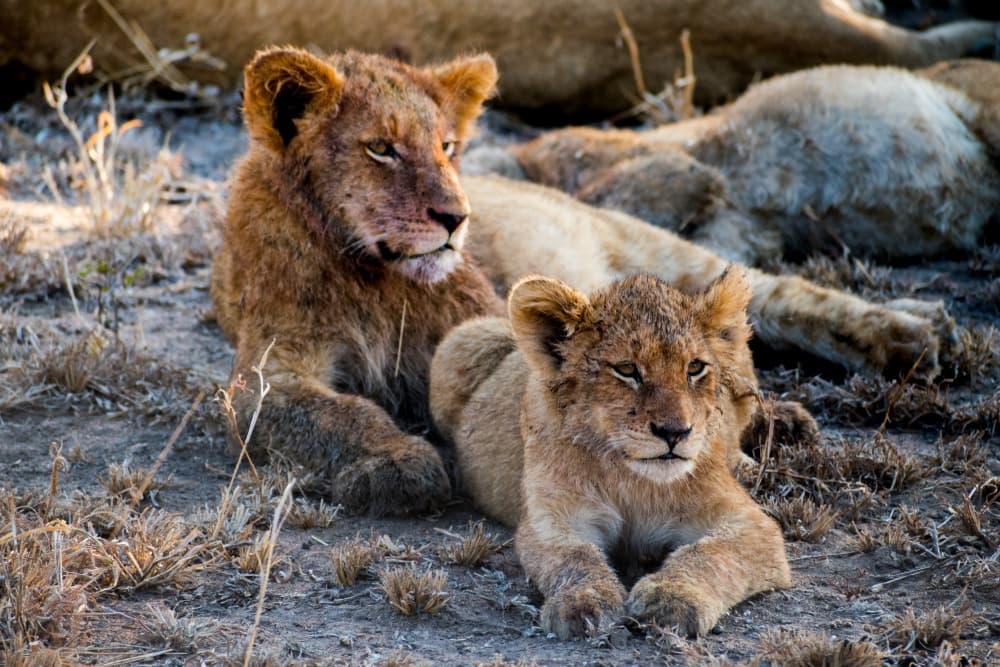
Manyeleti is home to the Big Five: lion, leopard, rhinoceros, elephant and buffalo. The leopard, particularly difficult to spot elsewhere, is regularly sighted here thanks to lower tourist pressure. Elephant herds cross the reserve from Kruger, especially in the dry season when they converge on permanent waterholes.
Alongside the great predators, you'll encounter giraffes, zebras, wildebeest, impalas, kudus and hippopotamuses in the seasonal rivers. Birdlife is rich, typical of the South African lowveld: rollers, hornbills, eagles, and numerous intra-African migrants during the green season.
Activities offered by the lodges include:
- Open 4x4 safaris, morning and late afternoon
- Walking safaris with an armed ranger (subject to age minimum, typically 12 years)
- Night drives with spotlight
- Guided birdwatching
- Spoor reading and bush interpretation
Accommodation
Three addresses structure the reserve's offering.
Tintswalo Safari Lodge
Seven suites set beside a seasonal watercourse, near a centuries-old fig tree. Décor draws inspiration from gold prospectors of the late 19th century, with each suite named after an explorer. Full board, two daily safaris included.
Tintswalo Manor House
Available for private hire, this house operates as an exclusive villa with dedicated safari vehicle, chef and ranger. Suited to family groups or friends' getaways seeking private lodge use.
Honeyguide Tented Camps
Fifteen tents measuring 10 by 5 metres, equipped with a four-poster bed, double shower and fan. Each tent accommodates up to four guests. Comfort is genuine, in a more relaxed atmosphere than the two Tintswalo properties, with meals served around the campfire.
When to visit
The dry season, from June to August, remains the most sought-after for wildlife viewing: vegetation thins out, animals concentrate around permanent waterholes, and daytime temperatures remain manageable. Nights can be cool—pack warm layers for early morning safaris.
The green season, from September to March, offers another reading of the bush: births, migrant birds, dramatic landscapes after the first rains. Visitor numbers are lower, rates often more accessible, but dense vegetation sometimes complicates sightings.
How to get there
Access is by air via three regional airports: Hoedspruit (closest), Phalaborwa, and Kruger Mpumalanga International Airport near Nelspruit. South African Airlink operates daily flights from Johannesburg to Hoedspruit. From Cape Town, expect generally a connection in Johannesburg or a direct flight to Kruger Mpumalanga depending on the season.
The lodges arrange airport transfers on prior booking. The drive from Johannesburg is also feasible in a rental vehicle (approximately 6 to 7 hours), but the final stretch on farm roads requires a suitable vehicle.
Nearby attractions
The lowveld region justifies extending your stay:
- Blyde River Canyon: one of Africa's great canyons, accessible via the Panorama Route from Graskop
- Pilgrim's Rest: restored former mining town, testament to the gold rush of the 1870s
- Three Rondavels: three iconic rock pinnacles overlooking the canyon
- God's Window: viewpoint over the Drakensberg escarpment
Frequently asked questions
Frequently asked questions
Plan your trip
To incorporate Manyeleti into a South African itinerary combining safari, vineyards and coast, consult our bespoke circuits in Afrique du Sud.
Interested in this visit?
We can include it in your personalised itinerary.