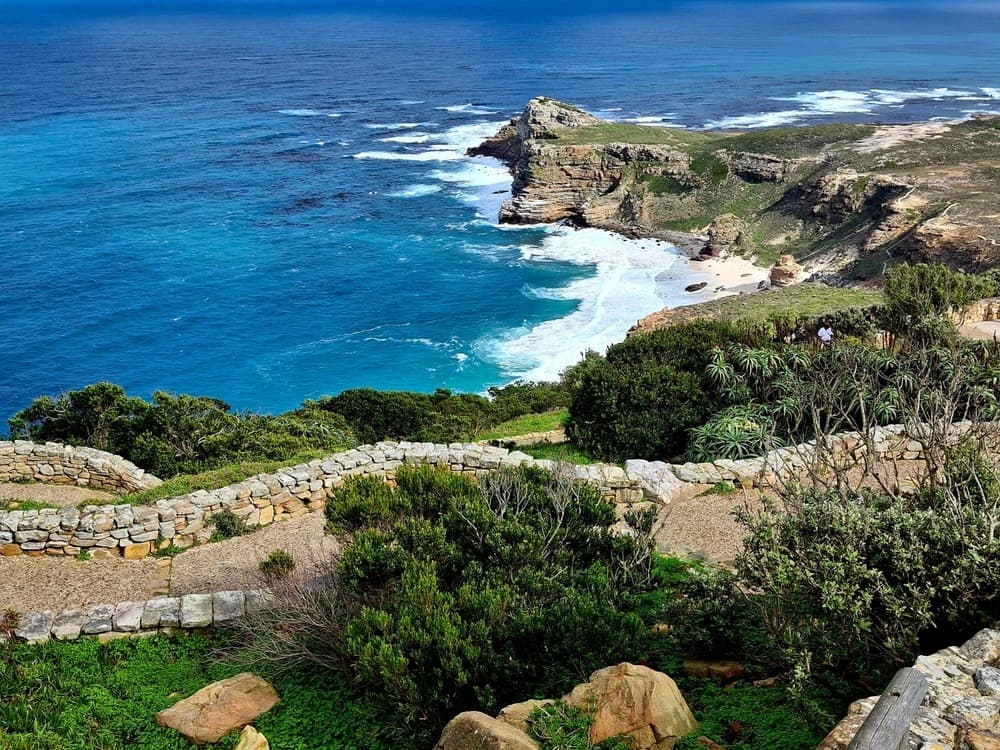
Cape Point Nature Reserve
Cape Point Nature Reserve
At the south-western tip of the continent, Cape Point encompasses 7,750 hectares of fynbos, Atlantic cliffs, endemic fauna and a historic 1857 lighthouse.
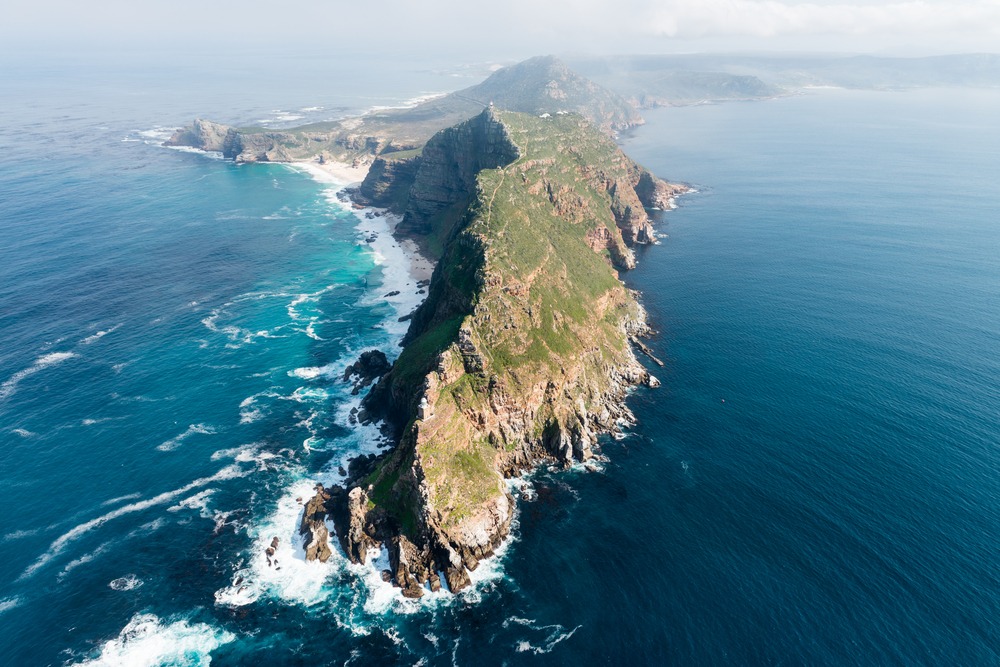
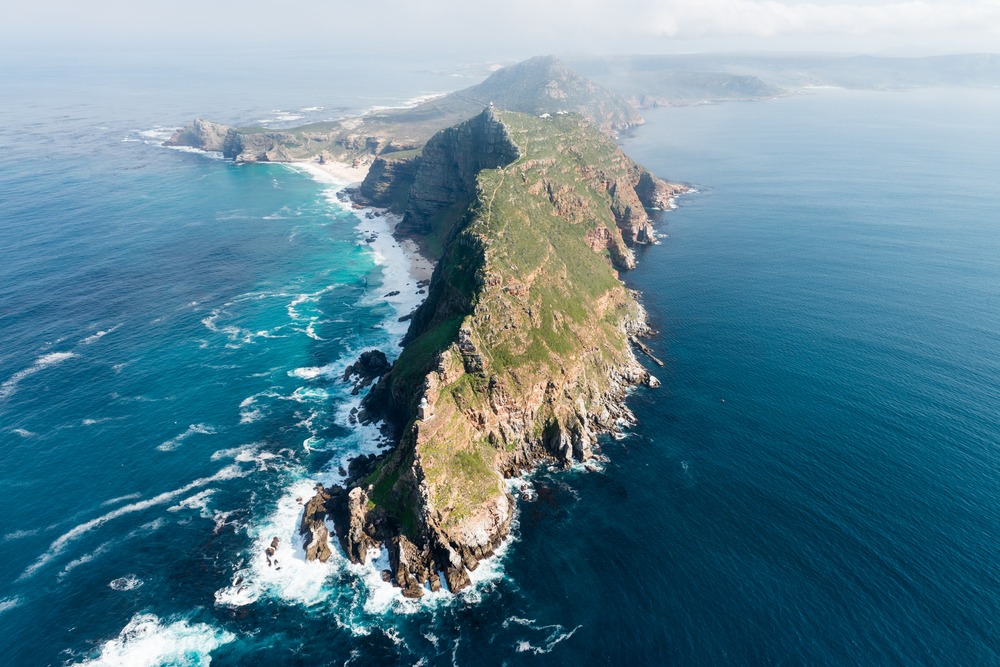
At the south-western tip of the African continent, Cape Point Nature Reserve protects 7,750 hectares of wild coastline and 40 km of shoreline. This reserve, integrated into the Table Mountain National Park, combines wind-battered cliffs, Atlantic beaches, endemic fynbos and emblematic South African wildlife. Located approximately one hour's drive from central Cape Town, it ranks among the major natural stops on the peninsula.
Why visit the reserve
Cape Point brings together in a single site three elements rarely found in one place: a historic cape steeped in maritime symbolism, exceptional plant biodiversity (the fynbos, the distinctive flora of the Cape, UNESCO-listed) and wildlife visible in freedom near the road. The landscapes alternate between cliffs plunging into the Atlantic and sheltered coves of False Bay, allowing you to experience different atmospheres in a single day.
The reserve suits both a brief visit centred on the lighthouse and viewpoints, as well as a full day combining hiking, beach time and wildlife watching. It logically pairs with Cape of Good Hope, located within the same protected area.
What to see and do
The lighthouse and viewpoints
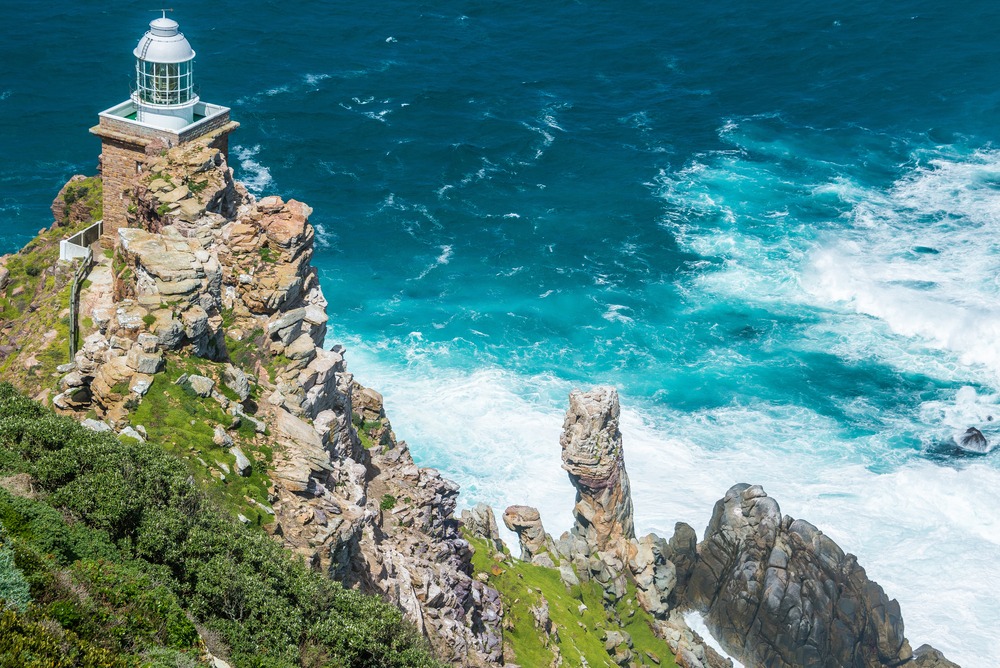
The historic lighthouse, dating from 1857, perches on a cliff overlooking the ocean. From the public area, two options to reach it: a funicular tramway (the Flying Dutchman) or a well-marked hiking trail. The panorama encompasses the two oceans meeting and, on clear days, stretches far along the coastline. A second lighthouse, lower and more recent, was built after the first proved too often shrouded in mist.
Flora and fauna
The reserve is home to nearly 1,100 species of indigenous plants, a significant proportion of which are endemic to the Cape. Fynbos dominates the slopes, dotted with proteas and ericas. As for fauna, you regularly observe chacma baboons (to be respected from a distance), bonteboks, Cape elands, mountain zebras, as well as small antelopes like the klipspringer and steenbok. Over 250 bird species frequent the site, including ostriches, Cape sugarbirds, eagles and sunbirds. The African penguin nests a little further north at Boulders Beach.
Hiking trails
Two different walking experiences await visitors. On the Atlantic side, trails descend to flat beaches, sometimes scattered with shipwrecks, with sweeping ocean views. On the False Bay side, paths follow the cliff tops and cross dense fynbos, with possible descents to secluded beaches. Allow from 1 hour to a half-day depending on your chosen trail.
When to visit
The reserve is open year-round. Hours vary by season: early opening and early evening closing from October to March, reduced timeframe from April to September. Best to arrive early morning, both for the light and to avoid the mid-day bus crowds. Late afternoon is also ideal for sunsets over the bay.
The tip's climate is marked by often violent and cold winds, even in the southern summer. A windproof jacket is recommended year-round, as are sturdy shoes for rocky trails.
Practical information
- Area: 7,750 hectares, 40 km of protected coastline
- Hours: approximately 6am–6pm October to March, 7am–5pm approximately April to September (confirm on-site)
- Duration of visit: 2–3 hours for a focused visit to a full day
- Admission: paid entry, moderate rate, combined ticket with Cape of Good Hope
- To bring: windproof jacket, water, snacks (baboons steal food, never leave unattended)
How to get there
By car
Car rental from central Cape Town remains the most flexible solution. Allow approximately 1 to 1.5 hours travel time depending on your route, on winding and scenic roads. The route via Chapman's Peak Drive is longer but spectacular.
By bus
The Cape Point Explorer service offers shuttles departing from Cape Town, with English-speaking guides on board and stops at the peninsula's main points of interest. This is a comfortable alternative for those who prefer not to drive.
Organised excursion
Many full-day excursions combine Cape Point, Cape of Good Hope and Boulders Beach. This option remains the most common for a first visit.
Nearby attractions to combine
- Cape of Good Hope: located within the same reserve, accessible in minutes from Cape Point. See our guide Cape of Good Hope.
- Boulders Beach: African penguin colony, approximately 30 minutes' drive north.
- Simon's Town: historic port with fish restaurants, on your return route.
- Chapman's Peak Drive: scenic route between Hout Bay and Noordhoek, to take on the way there or back.
Frequently asked questions
Frequently asked questions
A focused visit to the lighthouse and viewpoints takes 2 to 3 hours. To combine the lighthouse, hiking trails and Cape of Good Hope, allow a half-day to a full day.
Yes, both sites are within the same protected reserve and a single entrance ticket grants access to both. This is the most common arrangement.
No. Cape Point is not a traditional safari reserve. Visible fauna includes baboons, antelopes (bonteboks, elands, klipspringers), mountain zebras and birds. For the Big Five, head instead to Sabi Sand Game Reserve or Kruger Park.
Chacma baboons are accustomed to visitors and can become aggressive if they spot food. Don't eat outdoors without supervision, keep car windows closed and never attempt to feed or approach them.
Entry is paid on-site. During peak season (December–January, South African school holidays), arriving early minimises queues for the lighthouse tramway.
Planning your trip
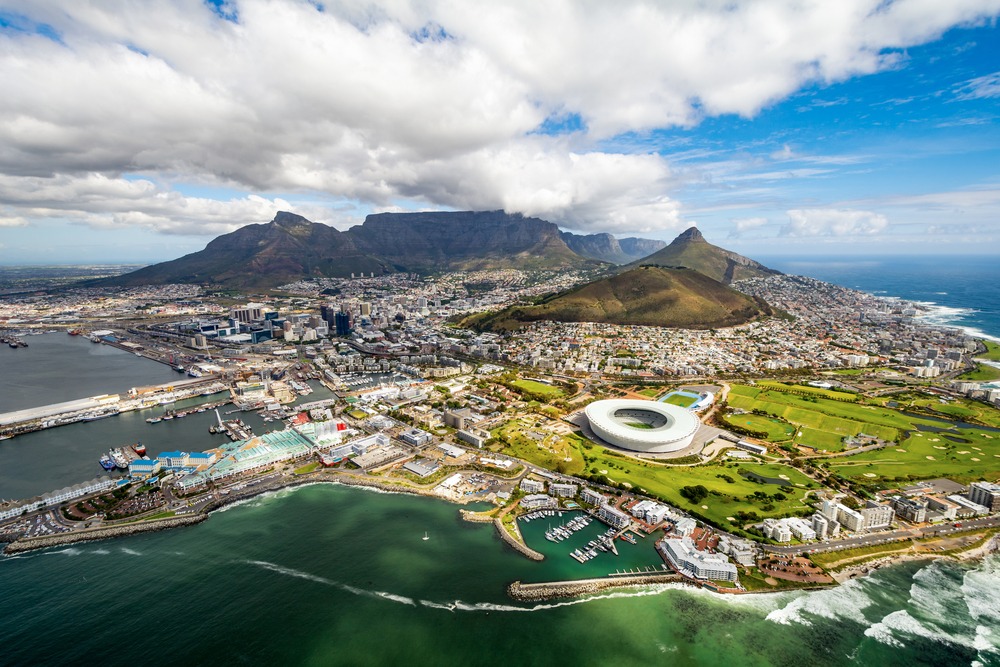
Cape Point fits naturally into a visit to Cape Town, which can then extend to the Winelands, the Garden Route or parks in the north. To build your complete itinerary, explore our trips to South Africa.
Interested in this visit?
We can include it in your personalised itinerary.