Understanding the Spirit of Ubuntu
Understanding the Spirit of Ubuntu
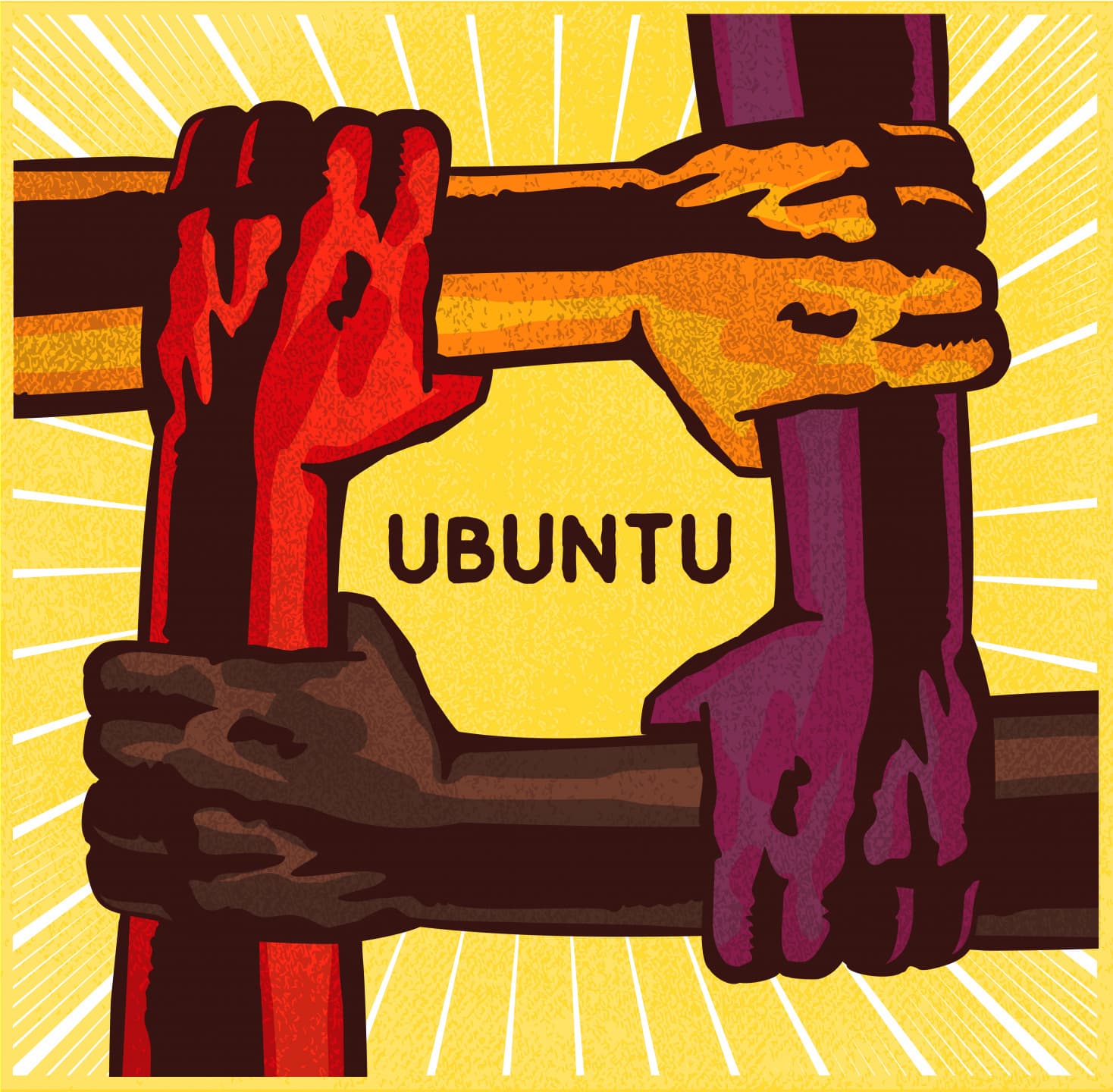
Ubuntu is described as an African and humanist philosophy. It refers to the practice of treating others well or acting in ways that benefit the community. Such acts can be as simple as helping a stranger in need, or far more complex ways of interacting with others.
Ubuntu Philosophy
Ubuntu is described as an African and humanist philosophy. It refers to the practice of treating others well or acting in ways that benefit the community. Such acts can be as simple as helping a stranger in need, or far more complex ways of interacting with others. For some, Ubuntu resembles a strength of spirit, a genuine metaphysical connection shared between people that helps us connect with one another. Ubuntu inspires selfless acts.
Ubuntu has also referenced the need for forgiveness and reconciliation rather than revenge. President Barack Obama mentioned Ubuntu in his memorial to Nelson Mandela, stating that it was a concept Mandela embodied and taught to millions of people.
Discovering the Spirit of Ubuntu
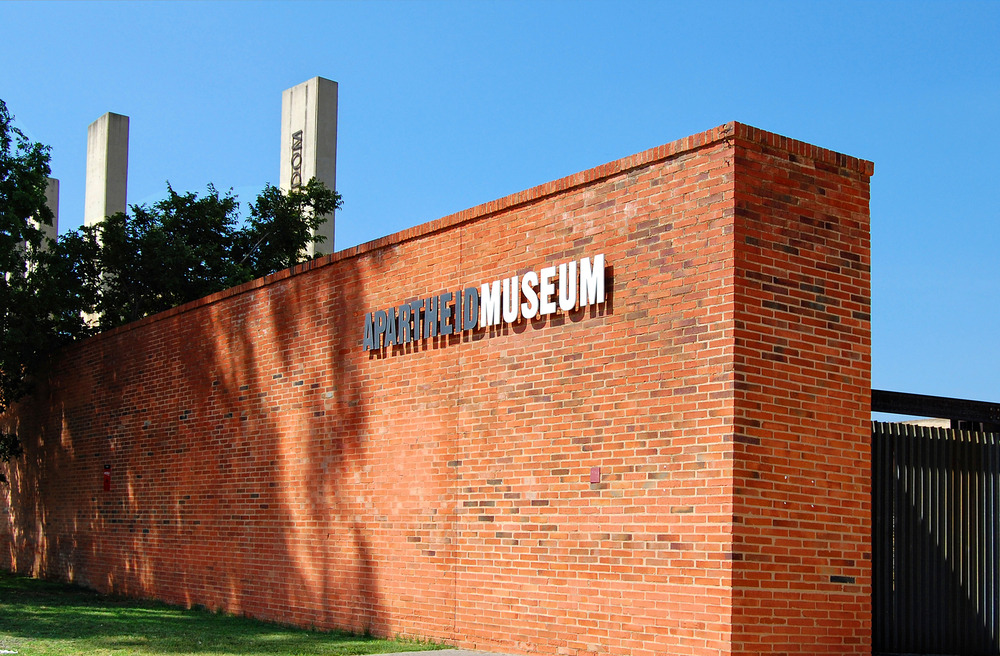
Beyond the history and achievements of great peacemakers such as Nelson Mandela and Desmond Tutu, whose legacies are visible in places like Robben Island, the Apartheid Museum, and Soweto, an ideal place to experience the Ubuntu philosophy is undoubtedly the Lesedi Cultural Village, located an hour north of Johannesburg. It offers immersion into the culture and traditions of traditional families from several South African tribes, deeply imbued with this Ubuntu spirit.
Quotes
"A person with Ubuntu is open and available to others, devoted to others, does not feel threatened that others are able and good, for he or she has a proper self-assurance that comes from knowing that he or she belongs in a greater whole and is diminished when others are humiliated or diminished, when others are tortured or oppressed."
— Desmond Tutu
"Finally, Mandela understood the connection between the spirits of men. There is a word in Afrique du Sud—Ubuntu—that describes his greatest contribution: he recognized that we are all bound together in a way that cannot be seen by the eye; there is a unity to humanity; it is through sharing with others and caring for those around us that we realize ourselves. We may never know how much of this idea was innate in him, and how much was gradually shaped in the darkness and solitude of his cell. But we remember his gestures, both great and small, when he welcomed his jailers as honored guests at his inauguration, when he took to the field in a Springbok uniform, when he transformed his family's heartbreak into a call to confront HIV/AIDS—these actions revealed how deep his empathy and understanding ran. He did not only embody Ubuntu; he taught millions of people how to find that truth within themselves. It took a man like Madiba not only to free the prisoner, but also the jailer; to show that you must trust others in order for them to trust you; to teach that reconciliation is not about overlooking a cruel past, but confronting it with a spirit of welcome, generosity, and truth. He changed the laws, but also hearts."
— Barack Obama (December 10, 2013, tribute speech at Nelson Mandela's funeral)
Give it a go!
Our local experts arrange this activity for you.