West Coast National Park
West Coast National Park
Located 120 km from Cape Town, West Coast National Park protects the Langebaan Lagoon, fynbos plains and Ramsar-listed wetlands. Each winter, wildflowers and migratory birds make it a major natural destination in South Africa.
West Coast National Park stretches along the Atlantic coast of South Africa, approximately 120 km north of Cape Town. It protects the Langebaan Lagoon, fynbos plains and wetlands designated as Ramsar sites. Each year between August and September, wildflowers transform the landscape into a multicoloured tapestry. The park is also home to remarkable coastal wildlife and archaeological sites among the oldest in Southern Africa.
Practical Information at a Glance
- Entrance: Paid entry (SANParks conservation fees, rates differ for residents and non-residents)
- Access: Car recommended — from Cape Town via the N7 then R27 towards Langebaan
- Recommended Duration: A full day minimum; two days to cover the northern and southern zones
- What to Wear: Closed shoes for trails, sun protection essential
- Pets: Not permitted in the park
- Accessibility: Some viewpoints and picnic areas accessible; natural trails unimproved
What You'll See
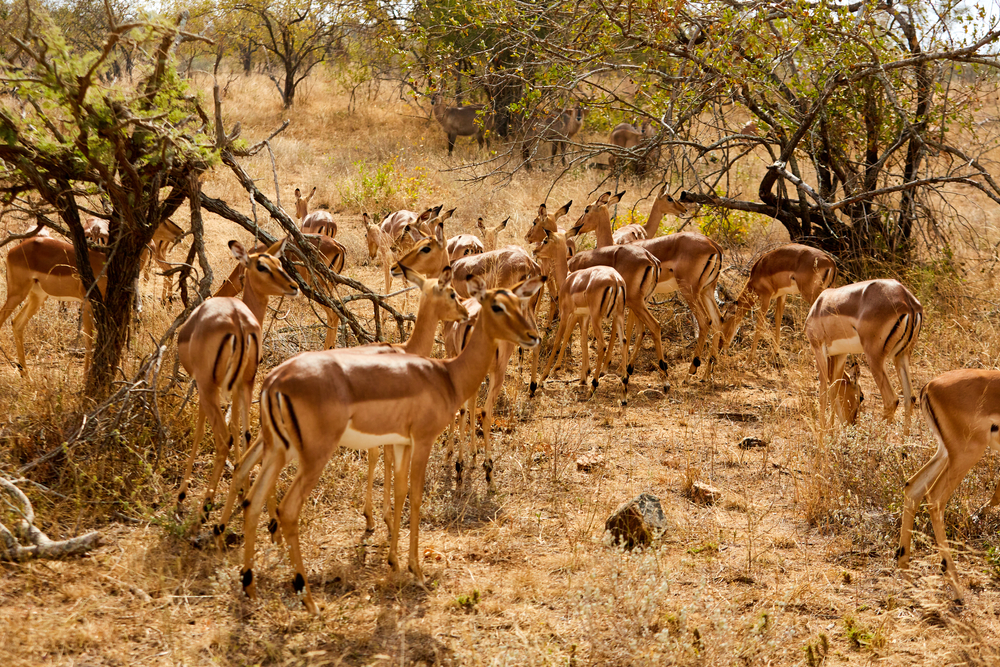
Langebaan Lagoon is the heart of the park: its shallow turquoise waters harbour thousands of migratory wading birds. The fynbos plains—vegetation endemic to the Cape—cover most of the territory. The Postberg zone, open only during the flower season, offers the densest concentrations of wildflowers. Bontebok antelope, springbok and land tortoises inhabit the interior zones.
History and Context
The Langebaan Lagoon site has yielded fossilised human footprints approximately 117,000 years old, among the oldest traces of Homo sapiens ever discovered. The park was proclaimed in 1985 and the lagoon inscribed on the Ramsar list of wetlands of international importance. The region was once frequented by the Khoikhoi peoples, whose cultural traces remain visible at several sites within the park.
Highlights of Your Visit
The Wildflower Season
Between August and September, namaqualand daisies, gazanias and other annual flowers blanket the plains. The Postberg zone is accessible only during this period. The intensity of bloom varies according to winter rainfall; local rangers publish weekly bulletins.
Langebaan Lagoon
Stretching approximately 17 km, the lagoon is a major stopover site for migratory birds from the northern hemisphere. Sandpipers, godwits and terns gather by the tens of thousands between October and March. Kayaks can be hired in Langebaan to explore the shorelines.
The Strandveld Trail
This walking trail traverses coastal strandveld vegetation, distinct from classical fynbos. It follows isolated beaches accessible only on foot, where Cape fur seals occasionally haul out.
Geelbek Site
The former Geelbek farm houses an ornithological information centre and restaurant in a 19th-century Cape Dutch building. It's an ideal starting point for observing lagoon birds.
Photography Tips
Golden morning light is ideal on the lagoon, with reflections of flamingos and wading birds. During flower season, favour the hours between 9am and 11am when petals are fully open. The white sand dunes of Langebaan create striking contrasts with the blue water. Avoid midday in summer: the light is harsh and animals seek shade.
Location and Access
The park is situated on the west coast of the Western Cape province, approximately 120 km north of Cape Town. The main entrance is near the town of Langebaan. No regular public transport serves the park; a rental car is essential. The R27 route (West Coast Road) from Cape Town is well-maintained and offers views of the Atlantic Ocean. SANParks accommodation (chalets, camping) is available within the park by reservation.
Nearby Attractions
- Langebaan — fishing village turned seaside resort, known for kitesurfing on the lagoon.
- Paternoster — coastal village with whitewashed houses, approximately 50 km north, renowned for its crayfishes.
- Postberg Nature Reserve — enclave of the park open during flower season, accessible from the main entrance.
- Saldanha — neighbouring port town with a natural bay and renowned local oysters.
Frequently asked questions
The wildflower season (August–September) is the most spectacular. For migratory birds, October to March is optimal. Southern summer (December–February) is warm and dry, ideal for beaches and kayaking.
Technically possible from Cape Town in a long day, but an overnight stay allows you to explore the park's northern zones and enjoy morning light on the lagoon.
No. Postberg opens only during flower season, typically August to mid-September. Exact dates vary depending on bloom; consult the SANParks website before visiting.
No. The park does not harbour the Big Five. Wildlife consists mainly of antelope, small mammals and exceptionally rich birdlife. Hiking is therefore accessible without an armed guide.
For accommodation within the park (SANParks chalets), advance booking is strongly recommended, especially during flower season. Day entry does not require prior reservation.
Yes, photography is allowed throughout the park. No particular restrictions apply for standard personal or editorial use.
Want to discover this destination?
Our local advisors design your tailor-made trip.