Bo-Kaap District
Bo-Kaap District
On the slopes of Signal Hill, Bo-Kaap brings together vibrant facades, historic mosques and 19 national monuments, testifying to Cape Town's Malay history.
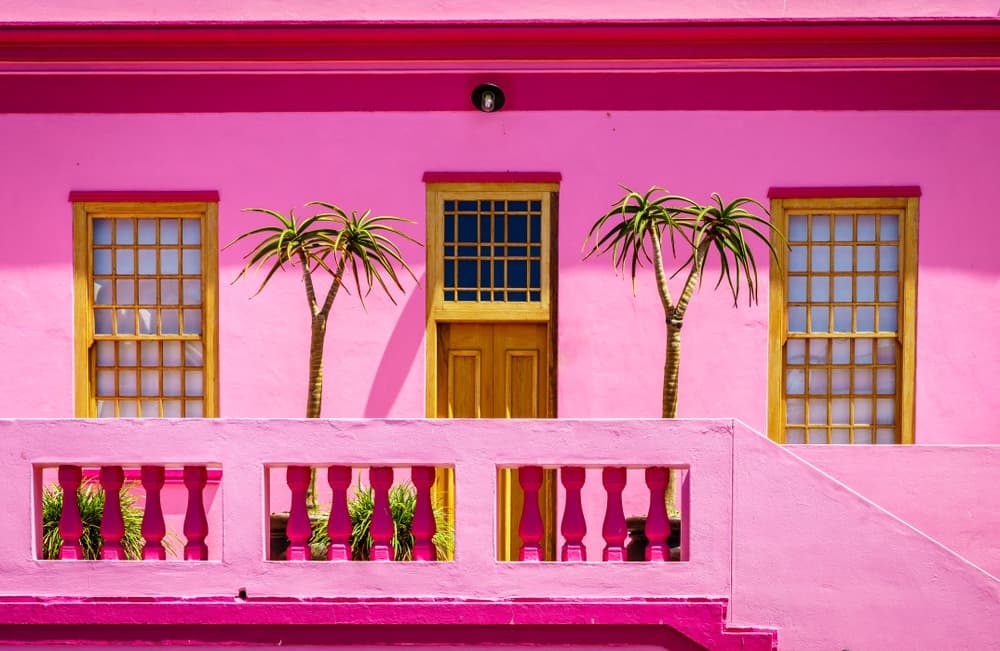
On the slopes of Signal Hill, just a few minutes' walk from Cape Town's city center, the Bo-Kaap district lines its brightly painted houses along cobblestone streets. A former suburb founded in the 18th century to house slaves imported from Southeast Asia, it today concentrates nineteen national monuments, South Africa's first mosque, and a museum housed in the district's oldest building.
Why visit Bo-Kaap
Bo-Kaap is one of Cape Town's oldest residential neighborhoods and one of the few urban witnesses to Cape's history of slavery. Its population, descended from Malay, Sri Lankan, Indian, Indonesian and Malagasy slaves, earned it the nickname of the "Malay Quarter." The blend of Cape Dutch, Georgian and Victorian architecture, the vividly painted facades and the presence of several historic mosques make it a dense heritage site, located less than a kilometer from the Cape Parliament.
History of the Quarter
The canton came into being in 1760, when Dutch farmer Jan de Waal acquired a parcel of land at the foot of Signal Hill, followed by other plots near Rose Street and Shortmarket Street. The name Bo-Kaap means "above the Cape," referring to its position overlooking the City Bowl.
Development of the farm quickly ran into trouble: Hottentot pastors refused to work on De Waal's land. Labor was then imported from Southeast Asia and Africa under slave status, forming the foundation of the local community.
The dwellings, called huurhuisjes (houses rented to slaves), were originally painted white, in accordance with a rule imposed under British administration. In 1834, freed slaves gained property rights and adopted the bright colors that characterize today's facades. After the end of apartheid in 1990, the quarter experienced a wave of gentrification, linked to its proximity to the City Bowl economic zone.
What to see and do in Bo-Kaap
Colonial Architecture
A walking loop between Wale Street, Chiappini Street and Rose Street gives you a sense of the quarter's architectural unity. A few buildings claim the pure Cape Dutch style; the majority blend Georgian, Victorian and Dutch influences, with paneled doors, cornices and balusters. Nineteen sites are listed as national monuments.
Bo-Kaap Museum
Located on Wale Street, the Bo-Kaap Museum occupies the district's oldest building, completed around 1760. It recreates the interior of a 19th-century Muslim craftsman's family home. Upstairs, a collection of black-and-white photographs documents local life in the 19th century.
Historic Mosques
On Dorp Street, the Auwal Mosque is South Africa's first mosque, founded in 1794. It preserves a Quran written from memory by Tuan Guru, an Indonesian religious leader exiled from the Sultanate of Tidore and the guiding figure of Cape Town's Malay community. Nearby, the Nurul Islam Mosque, built in 1844 by Tuan Guru's last son, and the Jamia Mosque, nicknamed the "Queen Victoria Mosque" due to British support for its construction, complete the religious route.
Malay Culture and Cuisine
The Cape Malay Art Exhibition is devoted to Cape Town's Malay people: slavery, emancipation movements, cultural heritage. At the table, local cuisine centers on rice, corn grains, vegetables and pronounced use of spices (mild curry, cardamom, cloves). Several family restaurants in the quarter serve traditional Malay dishes.
Practical Information
- Duration of visit: allow 1.5 to 3 hours for a walking loop including the museum and mosques.
- Admission: moderate entry fee for the museum, free access to streets and facades. Mosques can be visited on certain conditions, outside prayer times.
- Dress code: modest clothing recommended for entering mosques.
- Photography: facades are free to photograph, but it's customary to ask residents' permission before photographing doors or people.
When to Visit
The most favorable seasons are Southern Hemisphere autumn (April-May) and Southern Hemisphere spring (September-November): mild temperatures, low crowds and more affordable accommodation rates. Winter (June-August) brings frequent rain that makes walking less pleasant. Summer (December-February) is hot and very crowded.
How to Get There
Bo-Kaap is located immediately northwest of the City Bowl, Cape Town's historic center. From Long Street or Parliament, allow approximately 10 to 15 minutes of walking, with a gentle climb toward Signal Hill. The quarter is also served by MyCiTi buses and accessible by taxi or ride-sharing from the V&A Waterfront (10 to 15 minutes depending on traffic). From Cape Town International Airport, allow 20 to 30 minutes by car.
Nearby Attractions
Bo-Kaap easily fits into a day of urban sightseeing or a broader exploration of the Cape region:
- Zeitz Museum of Contemporary Art Africa at the V&A Waterfront, for African contemporary art.
- Cape Parliament and the Company's Garden, a ten-minute walk away.
- Cape Peninsula, for a day between ocean and cliffs.
- Franschhoek Wine Valley, an hour's drive away, for historic vineyards.
Frequently Asked Questions
Frequently asked questions
Originally, the huurhuisjes rented to slaves were painted white, under a British rule. In 1834, after the abolition of slavery, the freed residents gained property rights and chose bright colors to mark their emancipation.
Yes, several mosques, including the Auwal Mosque, welcome visitors outside prayer times. Modest clothing is required, shoe removal is mandatory, and it is advisable to check on site or at the museum for exact conditions.
The quarter is generally frequented during the day and poses no particular problems for a walking tour. As elsewhere in Cape Town, it's better to avoid deserted streets after dark and keep valuables out of sight.
A comfortable visit, including the architectural walk, the museum and a pass by the mosques, takes 2 to 3 hours. Adding a Malay lunch, allow half a day.
Yes, particularly to understand the history of Cape Town's Malay community. Located in the quarter's oldest building (around 1760), it features recreated interiors and a collection of old photographs illuminating local life in the 19th century.
Include Bo-Kaap in Your Trip
Bo-Kaap naturally combines with a stop in Cape Town, Cape Peninsula and Franschhoek vineyards. To plan a custom itinerary, consult our trips in South Africa.
Interested in this visit?
We can include it in your personalised itinerary.