Beehive Village
Beehive Village
43 conical thatched huts south of Mlilwane Reserve, Eswatini's first protected area. Rustic camp, guided walks, mountain biking, horseback riding.
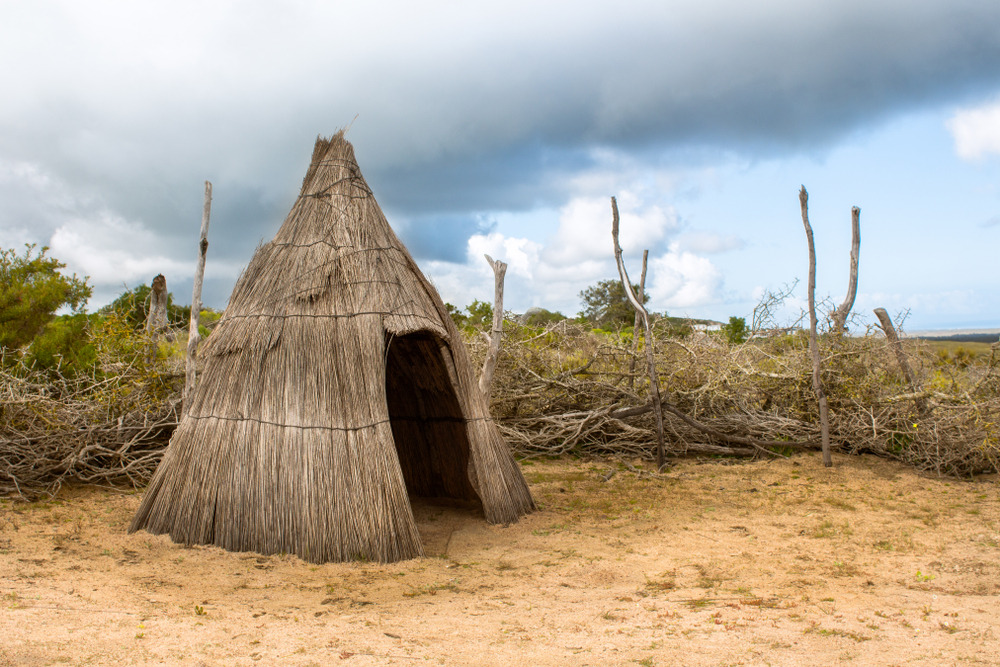
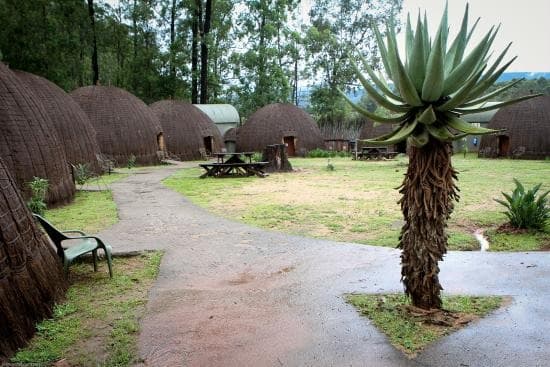
In the south of the Mlilwane Nature Reserve, in Eswatini (formerly Swaziland), Beehive Village comprises 43 conical thatched huts spread across three hamlets. The accommodation, rustic and immersive, serves as a base camp for exploring on foot, horseback, or mountain bike the country's first protected area.
Why stay at Beehive Village
The appeal of this place lies in its setting: you sleep within the reserve itself, in huts inspired by traditional Swazi architecture (beehive shape, conical structure, woven thatch). The site allows you to combine wildlife observation, hiking, and nights in the bush without daily transfers. The reserve is part of the Big Game Parks corridor, managed by the Reilly family, who pioneered the site's conservation.
The Big Five are not present, but wildlife remains varied and accessible: wildebeest, impalas, zebras, kudus, oribis, roan antelopes, hippopotamuses, and crocodiles coexist with an abundant birdlife featuring herons, egrets, spoonbills, and flamingos. Baboons and galagos occasionally visit the huts in the evening.
Atmosphere
The camp makes no attempts at artifice: no spa, no gourmet dining, no staged décor. At night, you hear the savanna. The glow of oil lamps suffices. The English-speaking team operates with guides who know the reserve intimately, and everything runs on a simple model, close to the traditional bush camp. This is both its strength and its limitation for those seeking standard hotel comfort.
The three hut villages
The 43 huts are divided into three distinct clusters, all built on the same architectural principle (round cabin, thatched roof) but with different levels of amenity.
- Roan Beehive Village: 15 round cabins, individual shower in each hut. Rural atmosphere.
- Nyala Beehive Village: 14 cabins, including 10 doubles, 2 triples, and 2 family units. Individual shower.
- Blesbok Beehive Village: 14 cabins with private bathroom. Accessibility for persons with reduced mobility planned in certain units.
Interior furnishings remain simple: bed, small table, oil lamp, fan. Linens and towels are provided.
Activities
Mlilwane's strength lies in the variety of exploration modes available from the camp.
- Walking safari: silent approach to herbivores (zebras, kudus, blue wildebeest) accompanied by a ranger.
- Horseback riding: the most effective way to approach herds, with excursions toward Nyonyane Mountain.
- Mountain biking: trails through the surrounding hills. The highlight is Execution Rock, a historic landmark of the region.
- 4x4 safari: guided outings to more remote areas, observation of oribis, roan antelopes, and raptors.
- Birdwatching: wetlands and watering holes attract abundant migratory birdlife.
Location
The reserve entrance is located in the Ezulwini Valley ("Valley of the Heavens"), midway between Mbabane and Manzini. It's roughly thirty kilometers from the capital, about twenty minutes' drive. Many Ezulwini hotels arrange transfers to Mlilwane.
The name Mlilwane means "light fire" in Siswati, referring to slash-and-burn agriculture that threatened the area before it was protected in the early 1960s. Ted Reilly, son of a landowner, pioneered this conservation effort, which was endorsed by the kingdom.
When to visit
The dry season is considerably more favorable. Avoid November through March, marked by summer rains that make trails difficult. The months of April, May, and September offer the best conditions: mild daytime temperatures, wildlife concentrated around watering holes. Nights are cool at higher elevations: pack a fleece and jacket, even in the dry season.
Nearby
The Ezulwini region holds much of the country's tourist offerings: craft markets in Malkerns, weaving workshops, royal sites in Lobamba. To extend a safari itinerary, several South African lodges complement the stay well: Sausage Tree Safari Camp and Kambaku River Sands for wildlife, Blyde River Canyon Lodge for Mpumalanga landscapes, or Chinderera Eco Lodge for a similar eco-conscious approach.
Frequently asked questions
Frequently asked questions
The camp is located in Eswatini, the former kingdom of Swaziland (renamed in 2018), within Mlilwane Reserve, Ezulwini Valley. It fits into regional southern African itineraries, often combined with time in South Africa.
Comfort is deliberately simple: bed, basic furnishings, fan, individual shower or private bathroom depending on the village. No air conditioning, no television. This is a bush camp, not a luxury lodge.
Yes, Blesbok Beehive Village offers cabins adapted for persons with reduced mobility, with private bathroom.
No. Mlilwane is home to neither lions, elephants, nor rhinoceroses (present in other Big Game Parks reserves). However, the diversity of herbivores, hippopotamuses, crocodiles, and birds is remarkable, and the absence of large predators allows for walking and horseback safaris.
Planning your trip
Beehive Village fits logically into a regional circuit combining Eswatini, Kruger, and Mpumalanga. To build your itinerary and discuss on-the-ground options, consult our South Africa travel page.
Fancy staying here?
We can book this accommodation for you.